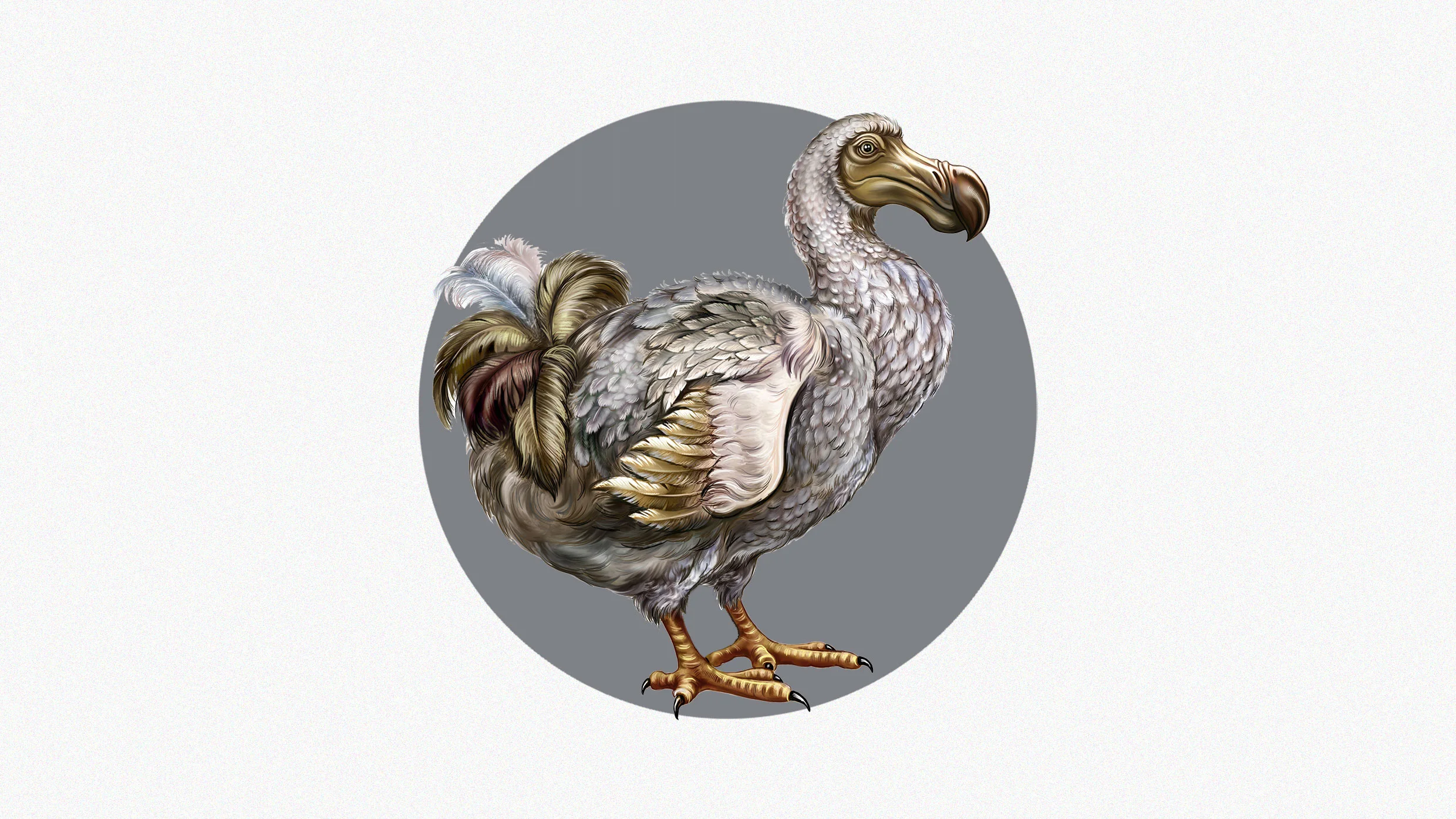
Since its founding in 2021, Colossal Biosciences has sought to bring back extinct animals, including the Dodo, the iconic flightless bird once endemic to Mauritius. The bird was documented by humans when the Portuguese first arrived on the island in the 16th century, but hasn’t been seen in hundreds of years. The bird struggled to survive the arrival of new invasive species and human hunting, and, as the saying goes, went the way of the Dodo.
For that same reason, Colossal Biosciences, the healthtech genetics company that already claims to have resurrected the dire wolf, wants to bring the Dodo back. This could be difficult: The company’s strategy relies on editing the genomes of other species, living relatives, with the extant preserved DNA from the species they’re trying to regenerate. But the Dodo is difficult: the company only has access to one Dodo genomic example, and needs to apply its technology—previously applied to dire wolves conceived via surrogate—to a species gestated in an egg.
But the company, on Wednesday, announced that it’s made progress toward that goal by using a new AI tool it built, called GenoMorph. The AI tool is trained on DNA from other species and can identify which sections of a genome are likely to be associated with different traits, like a beak or a feather. The scientists are using that technology to identify which regions of the Dodo DNA they do have are responsible for the traits that make the Dodo, well, Dodo-ish.
Source link