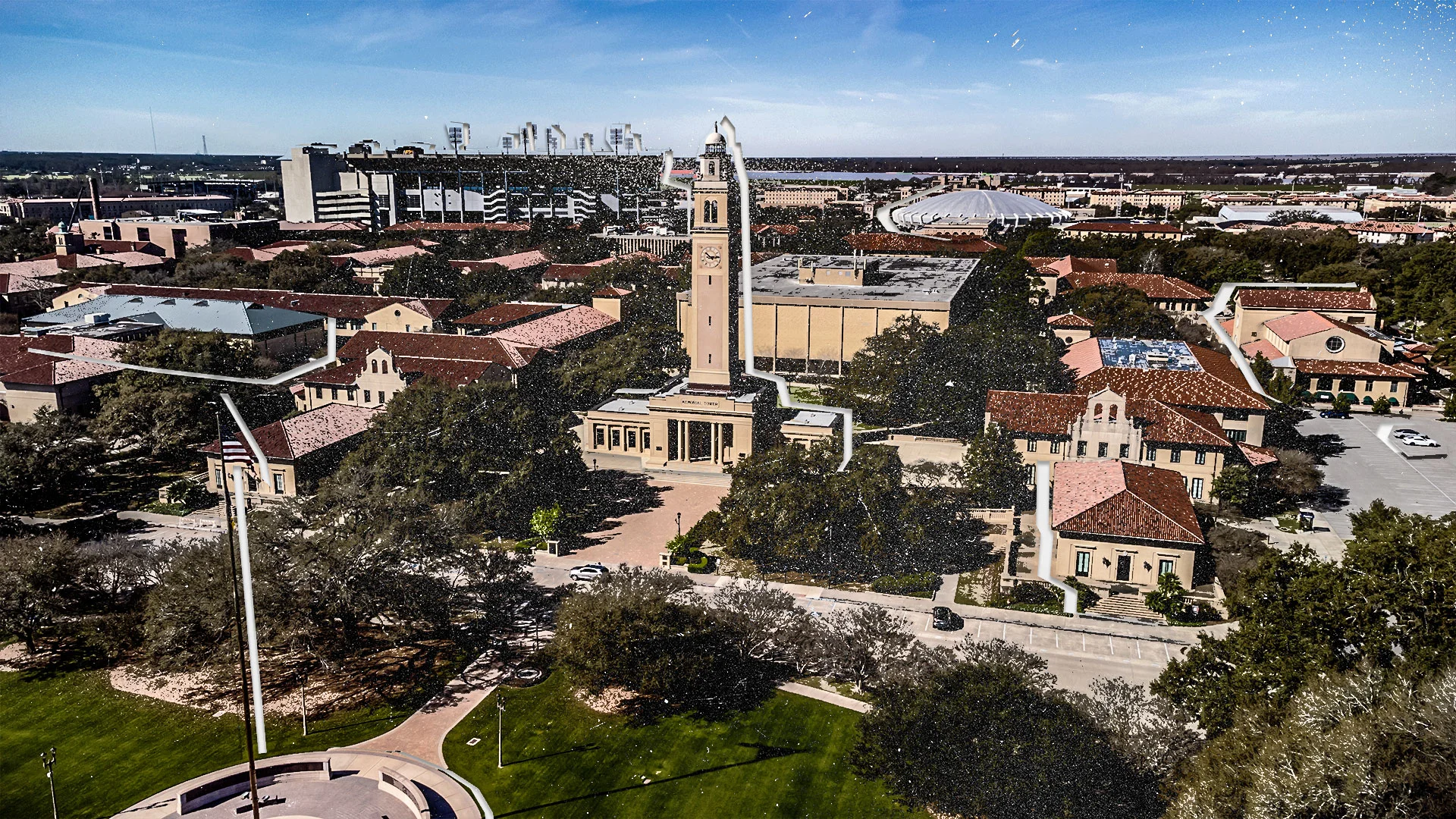
It was in the quiet of the summer when a new president at Louisiana State University said the school would lay off 25 administrators, including several who were high in the campus hierarchy, and shift the savings to faculty hiring and research.
“Transformational change,” the president, Wade Rousse, called it. He was “streamlining operations and finding efficiencies so the university can focus on” its faculty.
The move got limited attention outside Baton Rouge. But similar layoffs have been happening at universities and colleges nationwide in what may be a little-noticed tipping point in U.S. higher education.
A decades-long increase in the number of employees on campuses who don’t actually teach—disparaged by critics as “administrative bloat”—is starting to reverse, new data suggests.
The number of noninstructional employees at U.S. universities and colleges—the many people on campuses who don’t actually teach—fell last year more than it has at any time in at least the last decade, according to the College and University Professional Association for Human Resources, or CUPA-HR.
And while the newly reported CUPA-HR figures cover only through the end of 2025, universities and colleges have continued to lay off noninstructional employees since then.
Another source, the Bureau of Labor Statistics, now projects “limited employment growth” for postsecondary administrators, which it says will be slower than for other occupations.
The CUPA-HR survey is limited to the roughly 1,000 public and nonprofit universities and colleges that agreed to participate, for instance. The association cautioned against generalizing across the large variety of higher education institutions; noted that past downturns in staffing often have been followed by increases; and said it might be too early to draw conclusions about trends.
Source link