Anthropic CEO Dario Amodei managed to piggyback a little corporate self-promotion onto his address to the United Nations Security Council this Wednesday, warning of the apocalyptic risks that the AI race between his own firm and its competitors pose to “humanity as a whole.”
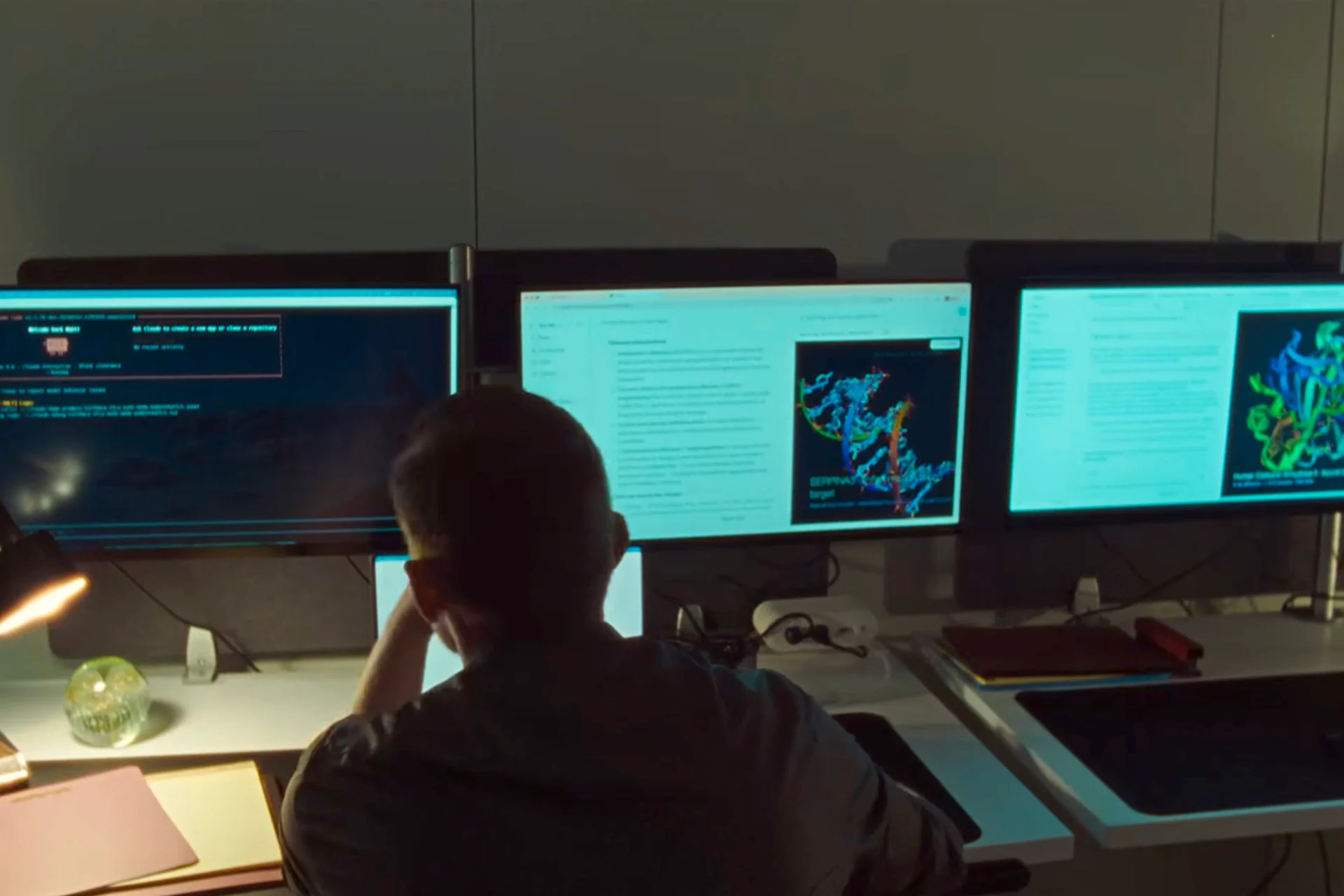
Anthropic’s Claude has reportedly discovered a previously unknown enzyme system similar in its architecture to the Cas9 enzyme system that makes CRISPR gene-editing possible, Amodei announced in a lengthy X post just mere minutes before the U.N.’s meeting on AI security began. The new enzyme system, which Anthropic’s researchers have named ART, was located within the DNA of certain Staphylococcus phages: a group of viruses that specifically target Staphylococcus genus bacteria (the microbes responsible for Staph infections).
Amodei noted that the firm’s researchers suspect ART “could represent a new gene editing mechanism,” and emphasized the role that Claude AI played in the discovery.
“[Our] life sciences team suggested a broad area of research, Claude read through the literature and a bunch of genome data and discovered something interesting,” Amodei wrote, “then Claude proposed experiments to verify the discovery and our team carried them out.”
But multiple medical researchers have been quick to point out that these biochemical similarities might only be superficial—and Amodei himself acknowledged that ART’s “precise function, biotechnological utility (if any), or level of significance is not yet clear.”
As Washington University microbiologist Kevin Blake told Al Jazeera, “There’s nothing to indicate this is a rival to CRISPR-the-technology, or could be developed into any kind of therapeutic or practical application.”
Source link