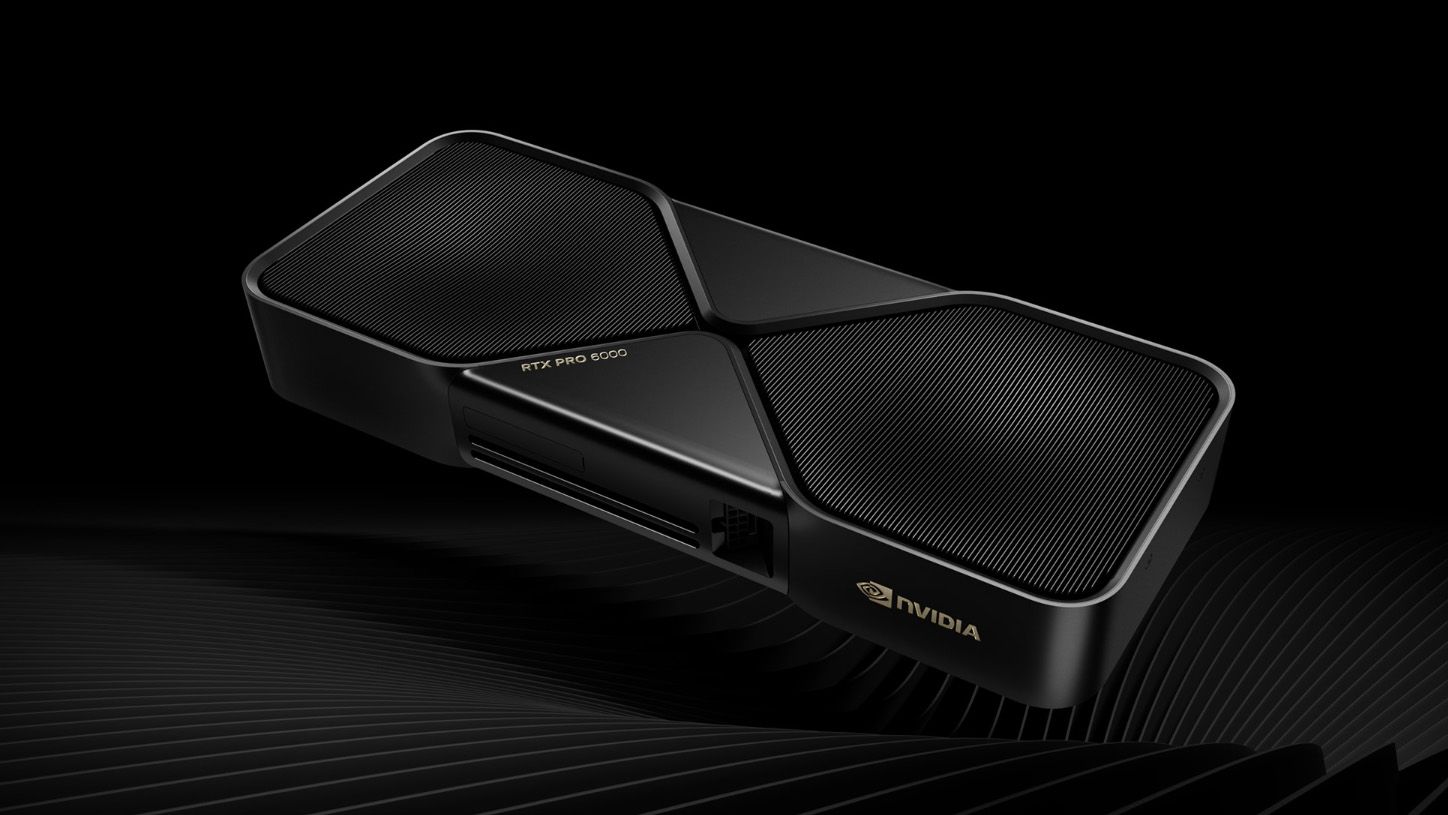
Chinese tech companies have bought more than 1 million Nvidia gaming and workstation GPUs to plug gaps in demand for AI computing power, Financial Times reports. The report cites industry insiders who claim the buying spree highlights an ongoing and significant reliance on U.S. AI hardware, despite a burgeoning homegrown market.
- The data center cooling state of play
- The custom AI ASIC state of play
- America’s AI chip rules keep changing — and the rest of the world is paying the price
- GTC 2026: Ian Buck press Q&A transcript — VP of Hyperscale and HPC speaks out on shelving CPX and shipping LPU decode this year
- Demand for data center CPUs has surged, and AI agents are responsible
The report firstly notes that China's national strategy for developing AI has led to a doubling of domestic AI chip production this year; however, the country cannot keep up with demand from its biggest tech companies. The report cites a shortfall of nearly 1.5 million chips, with only 3.5 million expected to be manufactured domestically while demand "far exceeds" 5 million. To compensate, China is purportedly turning to Nvidia's gaming and workstation processors, which are compliant with U.S. export controls, repurposing them for AI.
According to FT, the chips are "mostly" Nvidia's RTX Pro 6000D, RTX Pro 5000, and the RTX 5090 , the latter of which is the best graphics card on the market for enthusiast gaming. As the report notes, these Blackwell chips can't compete with Huawei's Ascend 910C and other homegrown flagship offerings, but they are useful for "simpler AI workloads," such as prefilling.
Source link