
Yesterday, the Trump administration extended the reach of its existing export controls on high-end AI accelerator chips, namely, but not limited to, Nvidia's Blackwell lineup. The updated regulation now requires licenses for renting those chips in large quantities to the entirety of America's D:5 countries list (nations embargoed from arms sales). As expected, the news landed in Beijing like a lead dragon, and its Ministry of Commerce states that China "will take countermeasures to firmly safeguard national sovereignty, security, and development interests."
- While the U.S. flip-flops on chip sanctions, China is building its own chip supply market
- The state of China's decade-long semiconductor push
- Huawei Ascend NPU roadmap examined
- China's CXMT targets 30% DRAM memory market share by 2030 with sixth mega-fab
- China's latest round of rare-earth export controls explained
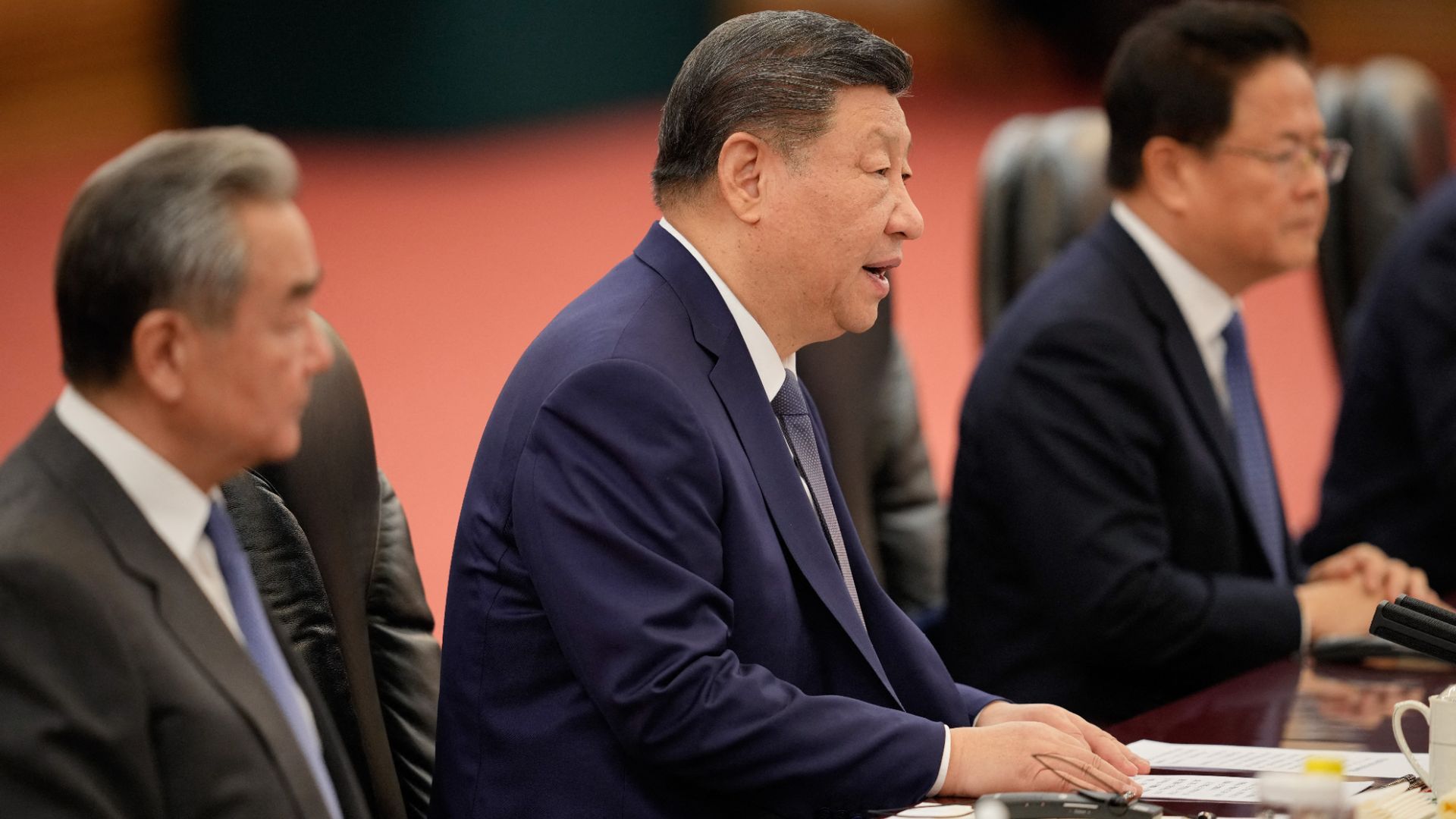
The bold move taken by the U.S. arrives at a peculiar time, as President Trump is currently visiting the nation for the APEC summit in Shenzhen. Trump is scheduled to meet President Xi Jinping on Thursday, Nov. 19, a tête-a-tête that's bound to be interesting. Both nations were recently embroiled in a bitter trade war, with ever-mounting tariffs and restrictions on both sides until a temporary truce was called in Oct. 2025. Only some restrictions were lifted, though; for example, Chinese semiconductors still face a 50% tariff when imported stateside.
S. stock markets. Those seas are already choppy enough thanks to Nvidia ex-CEO Jensen Huang's romantic involvement with purported Chinese spy Alice Huang — along with mounting suspicions that the soulmates may have connived to siphon billions' worth of Blackwell chips from her Singaporean outfit Megaspeed onto Chinese AI laboratories.
Source link





