
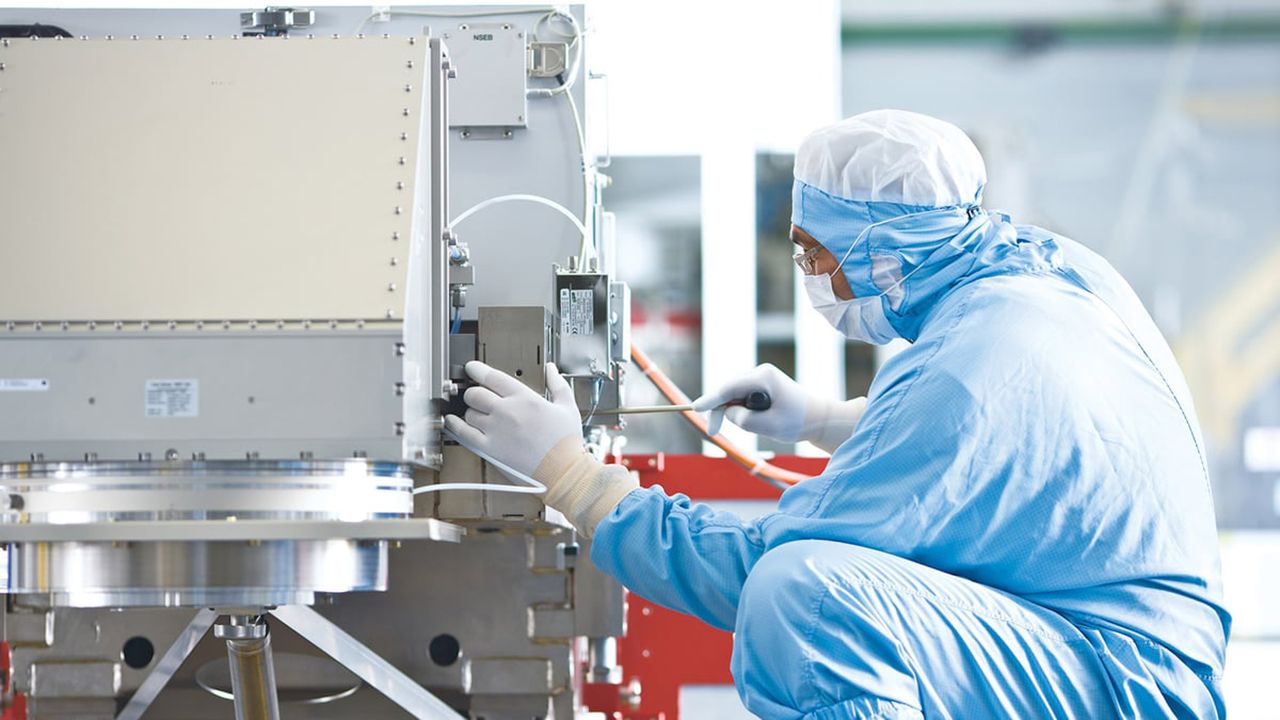
Chinese chipmakers have accumulated an estimated 343 immersion DUV lithography chipmaking tools from 2012 to early 2026, many of which can be used to make chips using 7nm-class process technologies, according to a report from the Centre for Technology & Statecraft (CTS). The Washington-based group asserts that this equipment gives Chinese fabs considerable potential to produce sophisticated processors despite their inability to procure ASML's more advanced EUV systems. While the total number of ArFi tools owned by Chinese chipmakers seems plausible, some other estimates look questionable.
China has been particularly aggressive in procuring wafer fabrication equipment in recent years as the U.S. government has been busy imposing various curbs on its semiconductor industry. Since 2012, Chinese chipmakers, including logic and memory makers, have imported 343 immersion DUV lithography scanners from ASML, excluding imports to multinational fabs located within China.
The authors of the report claim that the existing export controls leave an important gap because lithography equipment originally acquired for less advanced process technologies can potentially be reassigned for more sophisticated process technologies, such as 7nm-class nodes (which the industry adopted in 2018 – 2019). This happens at a cost, but if no other options are available, Chinese chipmakers have no choice. They propose to prohibit exports of all immersion DUV systems to China and restrict replacement components and maintenance services for machines installed at advanced fabs, a proposal consistent with the bipartisan MATCH Act introduced in April.
5nm matched-machine overlay capability crucial for multipatterning for 7nm-class nodes, which can be used to make chips using 7nm-class fabrication technologies.
Source link





