Being unable to procure EUV litho tools from ASML, China must develop such systems locally, so from time to time we learn about an EUV-related 'breakthrough' in China that will turn into an actual EUV scanner over the following several years. This week, Chinese startup Langdao Silex demonstrated a prototype extreme ultraviolet (EUV) light source with over 15W of output power, 90% domestic components, and decent uptime. The company will need another three to five years to commercialize its technology, reports TrendForce, citing various sources. Yet, a light source alone does not make an EUV scanner.
- Analyzing TSMC's fab expansion roadmap — multi-fab N2 ramp, CoWoS, SoIC, and uncorking bottlenecks
- Leading-edge foundry roadmaps for TSMC, Intel, and Samsung
- ASML's roadmap for chipmaking lithography tools examined
- Chinese chipmaking tool roadmaps examined
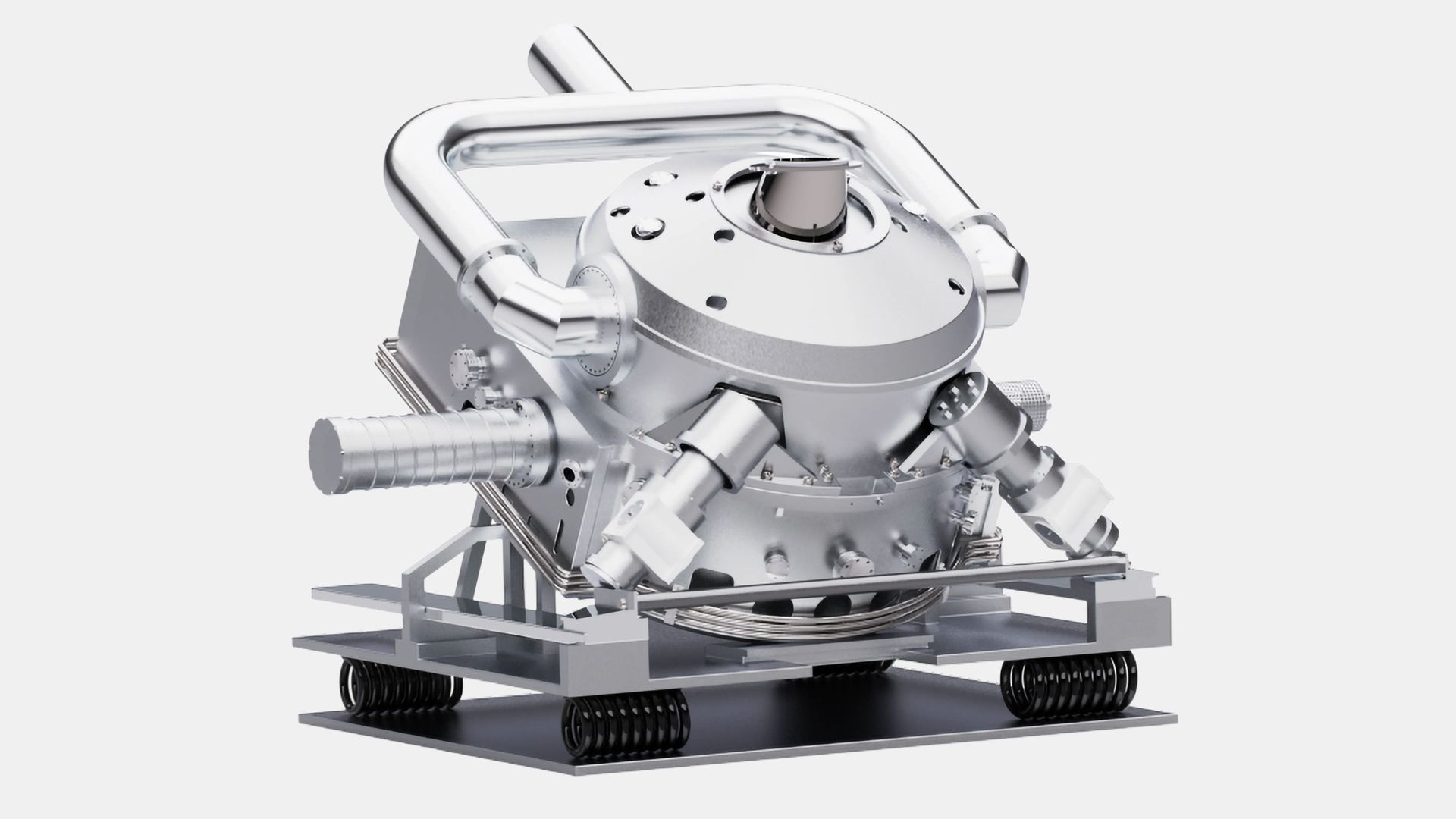
Langdao Silex, which was established in 2024 by Tsinghua University's Gas Discharge Plasma Laboratory alumni, demonstrated its EUV light source prototype at the 26 th China International Industry Fair in Shanghai, for obvious reasons, without lighting it up. Just like modern light sources from ASML, the company's low-power FlintNano LPP-OXXO system uses laser-produced plasma (LPP) technology that produces EUV radiation by bombarding tiny heated metal droplets with high-energy laser pulses to create extremely hot plasma. The system features a 1,000W driving laser (presumably a CO 2 one) with an operating frequency of 1 kHz – 20 kHz and conversion efficiency exceeding 2%. Its EUV output exceeds 15W (presumably measured at the plasma rather than at intermediate focus, as the company has not demonstrated a complete EUV collection system) while its brightness reaches 100 W/(mm²·sr).
Source link