If you’re a man reaching middle age, the American Cancer Society (ACS) has an important message for you: It’s probably time to keep a watchful eye on your prostate.
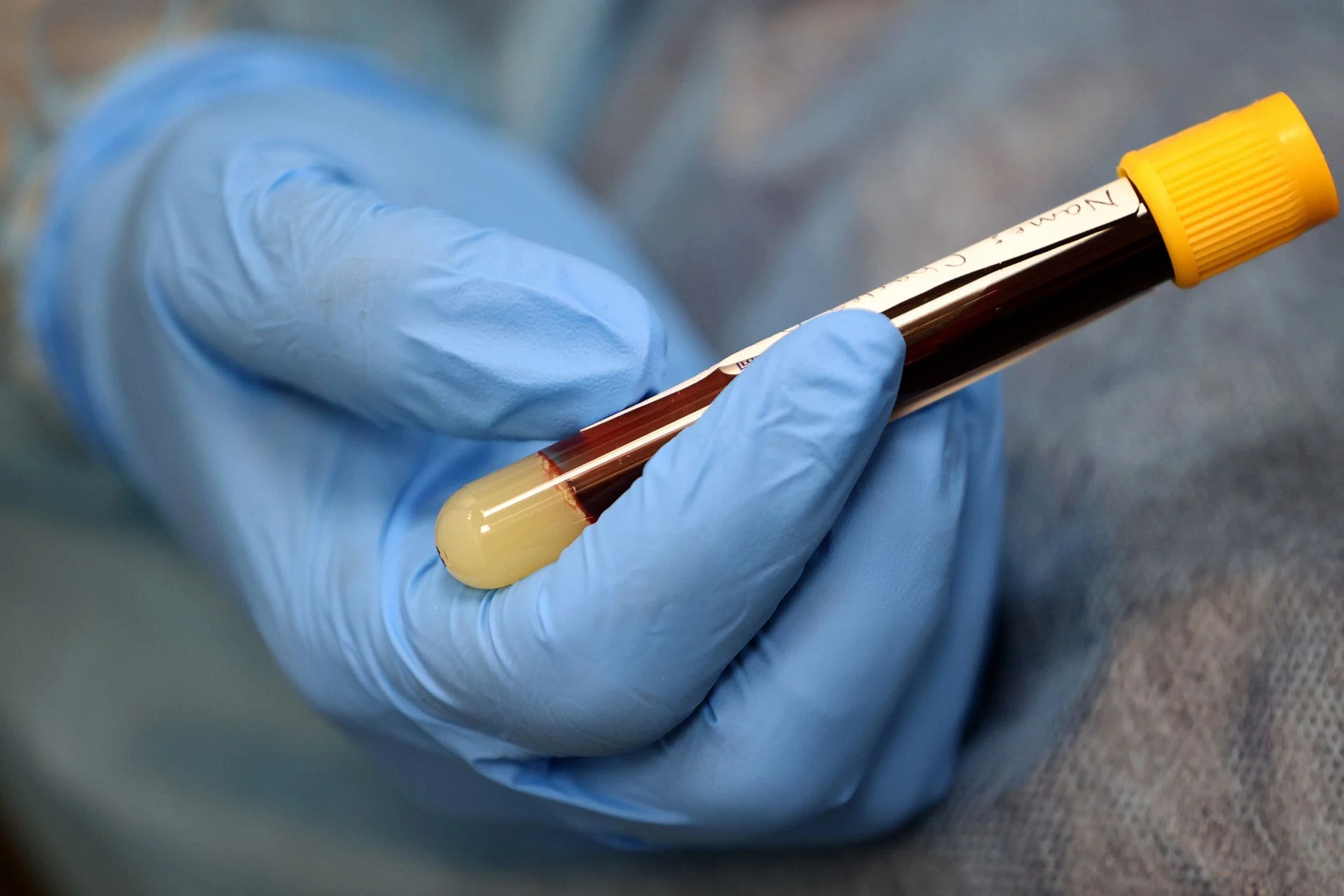
This week, the ACS released its updated guidelines for prostate cancer screening. Rather than leaving it up to individual preference, the organization now strongly recommends that most men 50 and older should take a prostate-specific antigen (PSA) blood test every two years until age 70, while higher risk men should start as early as age 45. The changes reflect a better appreciation of how valuable PSA testing can be, the ACS said.
“Since the ACS last issued a prostate cancer screening guideline, accumulating evidence has confirmed that screening reduces prostate cancer mortality and distant-stage disease,” wrote the expert advisors who developed the guidelines in a report published Thursday in CA: A Cancer Journal for Clinicians, the flagship journal of ACS.
The ACS’s prior guidelines on prostate cancer screening were published in 2010. Back then, the organization recommended that men at an average risk start considering PSA testing at age 50, but only after an informed discussion with their health care provider. Men with a higher risk were asked to have this talk as early as age 40.
A high level of PSA can indicate prostate cancer but doesn’t necessarily mean that a man has it. In these earlier guidelines, the ACS cited mixed studies on the effectiveness of PSA testing. Studies since the 2010 guidelines—including the long-term follow-up of earlier trials—have largely found a consistent benefit, however.
Source link