
India's sovereign AI ambitions are moving beyond computing infrastructure and into model development. Chariot-1, a new suite of foundation models developed under the IndiaAI Mission, is targeting one of the country's biggest AI challenges: building technology that works across India's linguistic diversity without making computing more expensive.
Launched on November 26 by S. Krishnan, Secretary, Ministry of Electronics and Information Technology (MeitY), in New Delhi, Chariot-1 combines a large language model (LLM) and a text-to-speech (TTS) system. Developed by Chariot Artificial Intelligence Pvt. Ltd., the models have been trained from scratch in India and incorporate research innovations focused on multilingual processing and training efficiency.
The ambition is not merely to build another chatbot. It is to address some of the underlying engineering challenges in developing AI for Indian languages.
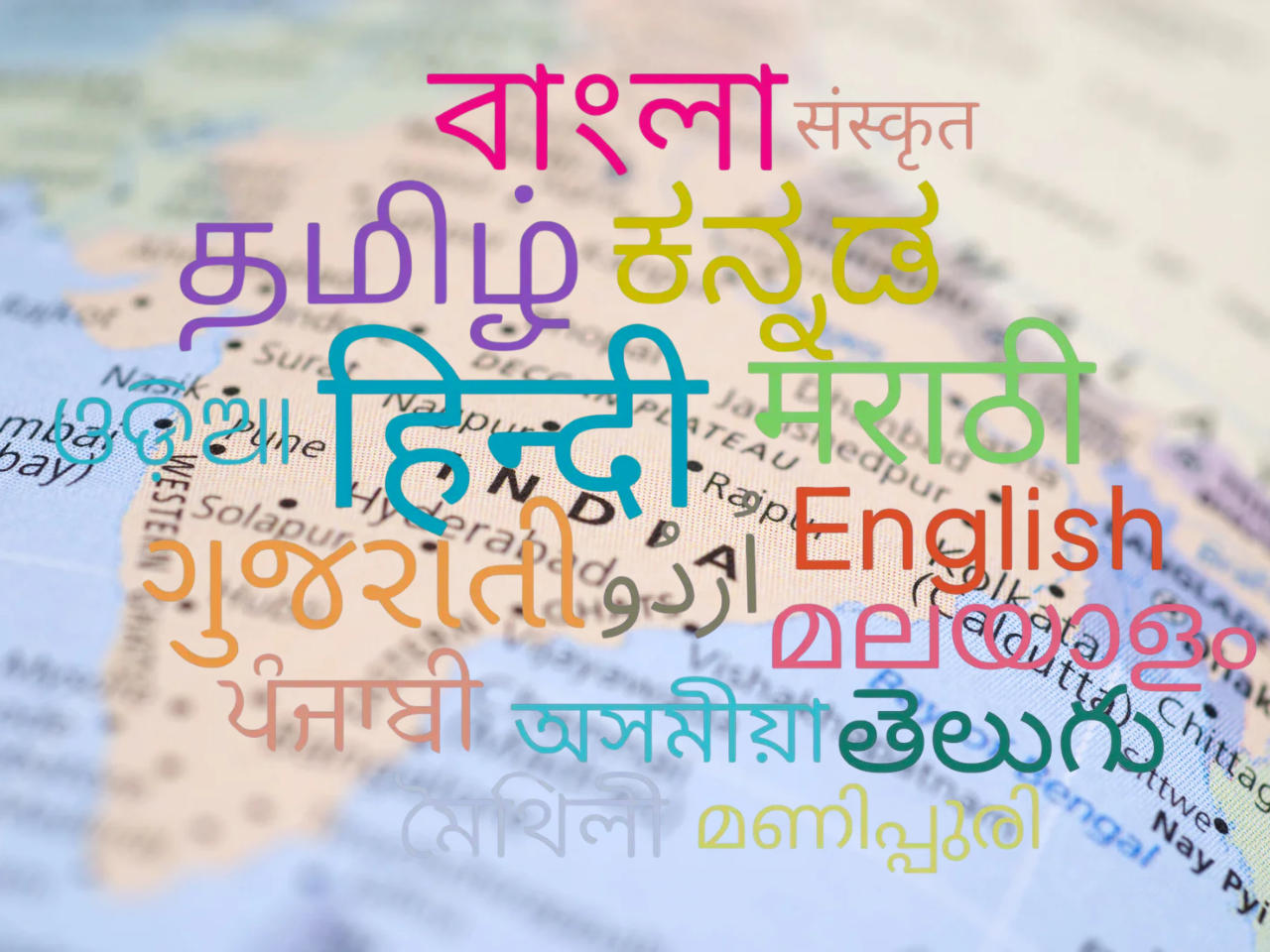
Indian languages present AI developers with a problem that translation alone cannot solve. Different scripts, linguistic structures and everyday combinations of languages can affect how efficiently models process text.
Chariot's IndicShift, an open-source innovation, attempts to address this through a shared alphabet for Indian scripts. Rather than treating each script independently, the approach seeks to leverage similarities across languages.
According to the company, IndicShift covers 12 Indian scripts and 1,012 characters and reduces token usage on Indian text by up to 2.5 times compared with OpenAI's GPT tokenizer. Chariot also reports a 5–8% improvement in Indian-language performance using the same computing resources, without compromising English or code performance.
If independently validated, such gains could matter beyond benchmarks. Lower token requirements could potentially improve the economics of running AI applications in Indian languages, particularly at scale.
Source link





