With rolling heat waves sweeping the globe, 2027 is shaping up to be the hottest year on record. As the health risks of extreme temperatures mount, there's never been a better time to rethink sustainable cooling.
Air conditioners and electric fans account for around 20 percent of electricity used in buildings worldwide—3 to 4 percent of total greenhouse gas emissions—and, as demand for cooling in homes, workplaces, and schools grows, the number of AC units in use could reach 5.5 billion by 2050.
The solution isn't one magic fix, but a suite of emerging technologies heading for living rooms and apartment windows. From radar sensors tracking your body to compact heat pumps and climate-safe refrigerants, here is how the next generation of air-conditioning plans to keep us cool without cooking the planet.
In 1994, Mitsubishi Electric was zooming past the air-con competition, introducing the first motion and occupancy sensors for AC, with infrared 3D sensing eventually following in the mid-2010s. Fast-forward to 2026 and AI-powered ACs now track people in the home with millimeter-level precision.
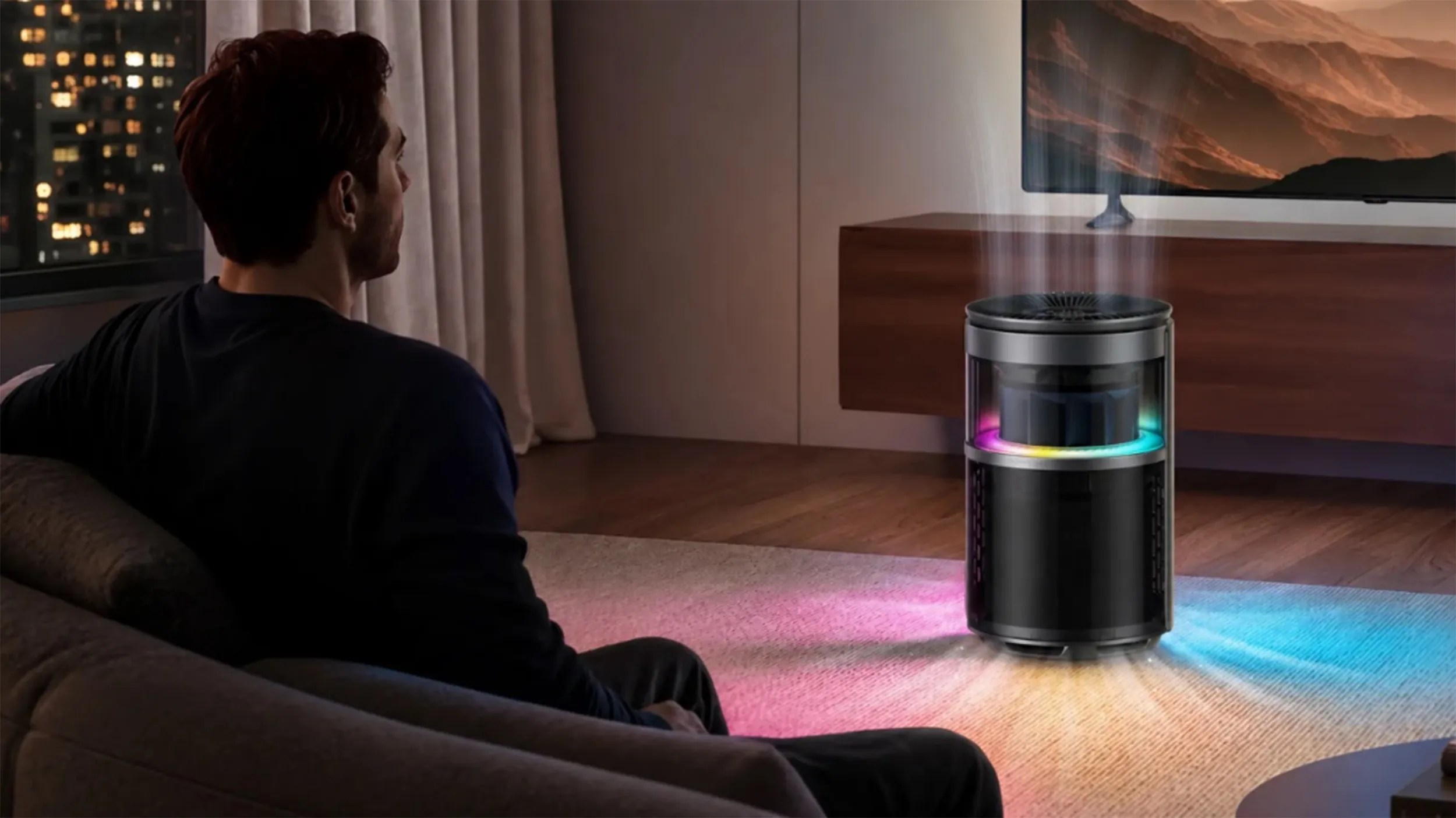
AC makers have launched intelligent, targeted air conditioner units all year, from Samsung’s Bespoke AI system in March to Dyson’s Find+Follow feature for its Purifier Cool fan in June. At IFA in September, we got a whole sweep from Chinese companies like Hisense, Dreo, and Midea.
LG’s latest DualCool AI AC has a 5-meter radar sensor for people detection plus targeting based on your everyday movement patterns. Hisense’s Companion Living AC also uses data from smart home sensors to identify and precool “target paths” within the home, based on your routines.
Source link