
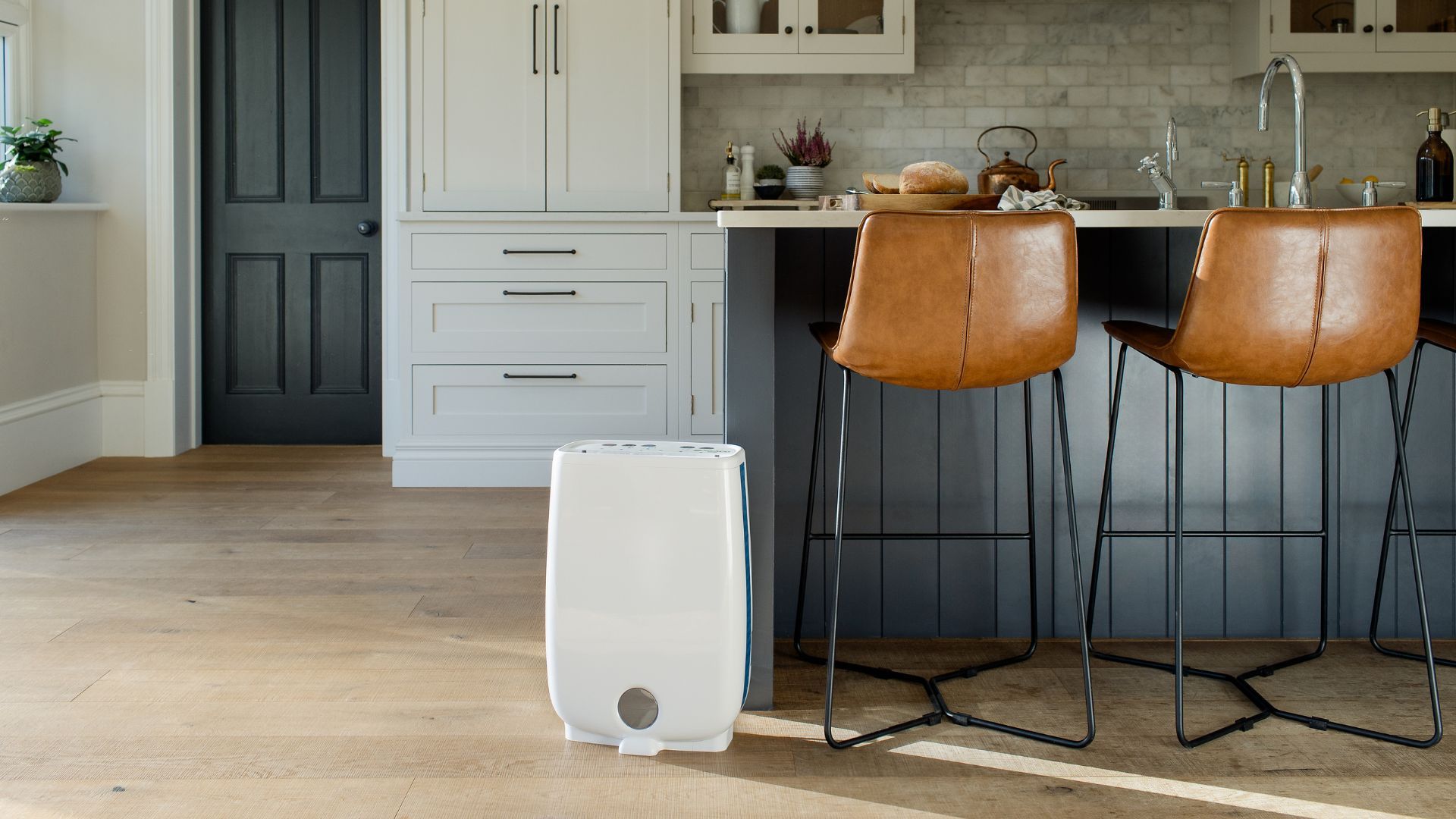
Every fall and winter, my dehumidifier becomes the single most important appliance in my home. Without it, dampness creeps in, leaving window condensation and mold in its wake.
If you want to protect your home from excess moisture, one of the best dehumidifiers is worth every penny — but picking the right one can be tricky.
I reached out to industry experts to uncover the mistakes people make when choosing a dehumidifier and the features and specs you need to consider before you buy.
“You may need a dehumidifier if the air inside your home feels damp or sticky, or you notice window condensation, musty odors, mold or mildew, water stains, or recurring allergy symptoms,” explains Gelacio Lechuga, virtual HVAC expert at American Home Shield.
According to the U.S. Environmental Protection Agency (EPA), ideal indoor humidity should stay between 30% and 50%. If your levels exceed 50%, opening windows can help — provided it isn’t too cold or humid outside. Otherwise, running a dehumidifier is your best option.
“When humidity levels fall outside that range, it can create comfort, health, and even home maintenance issues, says Tim Kovacs, product manager of coils & indoor air quality at American Standard Heating and Air Conditioning.
Instead of waiting for mold or window condensation to appear, monitor your indoor humidity before it becomes an issue. A simple tool like the Govee Indoor Hygrometer Thermometer, $10 at Amazon , makes it easy. Many of the best smart thermostats and even the best smart water leak detectors can also let you know the humidity levels inside your home.
Source link





