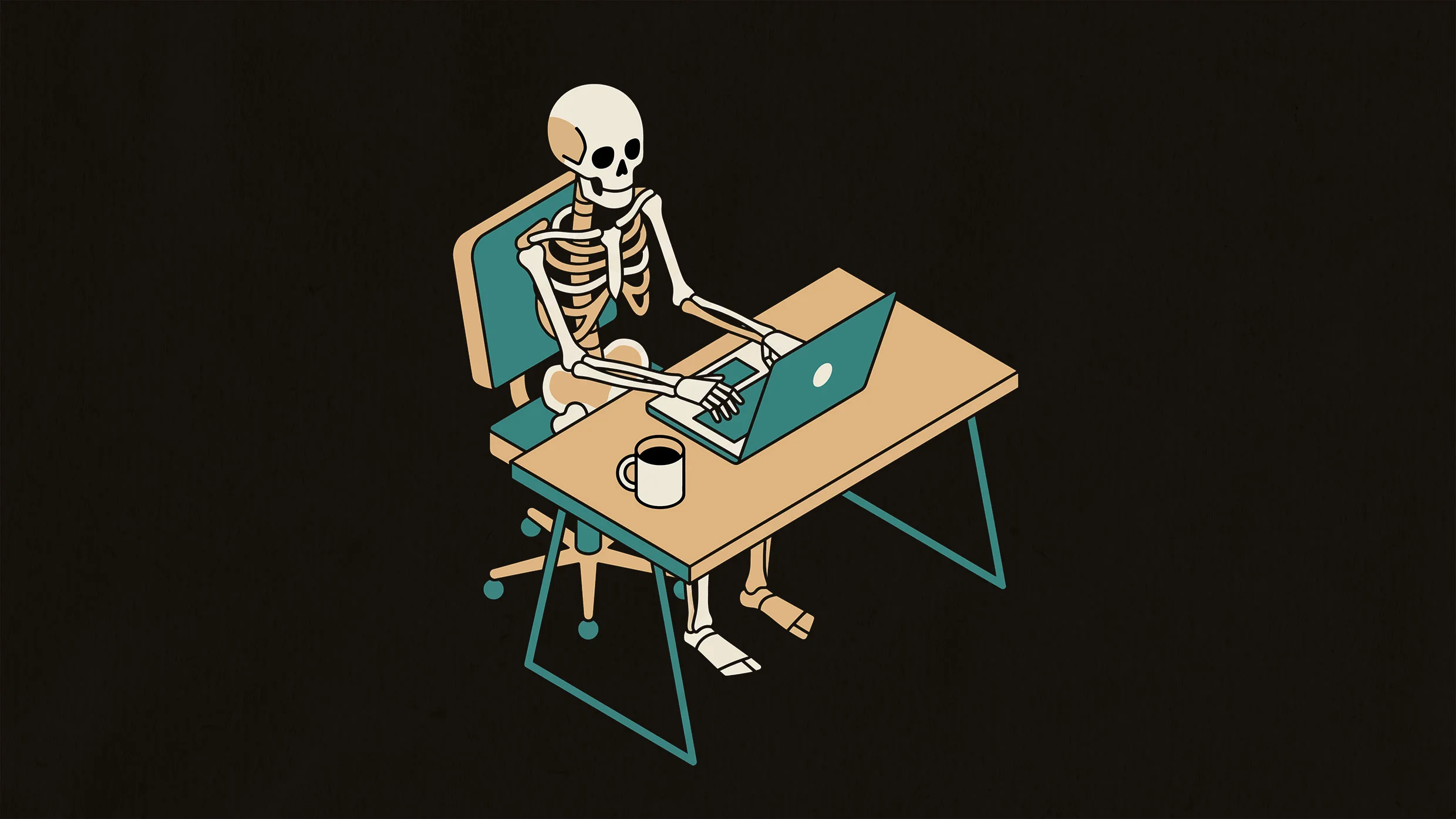
Burnout is a huge workplace issue: the low engagement that comes with it costs every business affected a fortune. Worse yet, its effects on workers are deleterious to the point where it can literally lead to death.
Yet in my experience, most leaders consider “burnout” an HR line item to be managed by a wellness program. It’s hard to know how to jolt people out of this mindset, but if I were a CEO (and I am), I’d be very concerned about potential industrial manslaughter charges coming my way at worst, and shareholders rightfully wondering why I am failing to manage the main thing that’s materially impairing productivity at best.
Burnout is a workplace safety hazard—and needs to be governed as one.
The World Health Organization defines burnout as the result of “chronic workplace stress that has not been successfully managed.” It’s a costly hazard that claims at least twice as many lives as workplace accidents. Long working hours alone led to an estimated 750,000 deaths from stroke and heart disease in 2016, more than twice the 360,000 people killed by workplace injuries, according to a report from WHO and the International Labour Organization. In the USA, workplace stressors are estimated to kill 120,000 people a year.
Outside of the devastating human impact, the toll burnout takes on commercial performance should be triggering emergency board meetings all over the world. At an estimated cost of US $5 million a year for a company of 1,000 employees , it would be reasonable to ask very direct questions of the executive about their plans to arrest the poorly designed workplace practices that lead to burnout.
Source link