

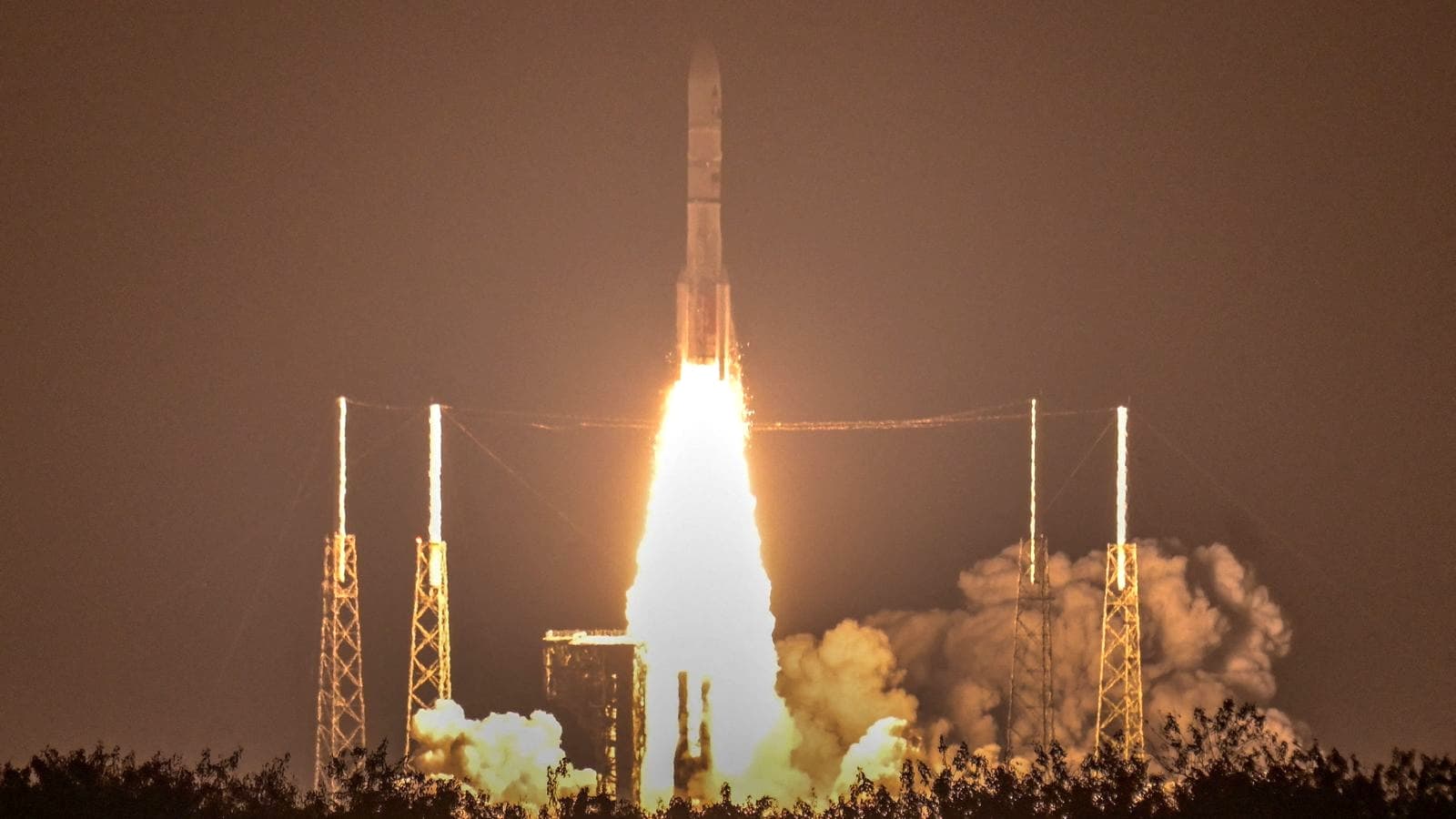
A Vulcan rocket operated by United Launch Alliance (ULA), a joint venture between Boeing and Lockheed Martin, failed during a launch on Sunday, destroying its payload of 40 satellites for Amazon's Leo satellite internet network.
The rocket suffered an anomaly around 10 minutes after liftoff from Cape Canaveral Space Force Station in Florida and failed to place the satellites into orbit.
The incident marks the first mission failure for ULA since its formation in 2006 and a setback for Amazon's efforts to expand its satellite internet service. The cause of the failure has not yet been established.
ULA confirmed that the rocket experienced an anomaly approximately 10 minutes into the flight.
“Based on data received by our Launch Director, we confirm that the Vulcan vehicle launched from Space Launch Complex 41 suffered an anomaly 10 minutes into the flight and failed to deliver the Amazon mission to orbit,” the company said.
ULA said it would examine the flight data to determine what went wrong. The failure is expected to trigger a technical investigation that could keep Vulcan grounded for several months.
The incident could also add to pressure on the US launch industry, which is already dealing with rocket failures and operational delays. The situation is further complicated by SpaceX no longer accepting bookings for its Falcon 9 rocket, one of the world's most frequently used launch vehicles.
Amazon acknowledged the risks associated with the launch, identified as LV-01, and expressed confidence in ULA's ability to address the failure.
“ULA has been a trusted partner for Amazon, and we believe they'll learn from this mission and deliver on their long-term plans for Vulcan,” the company said.
Source link





