
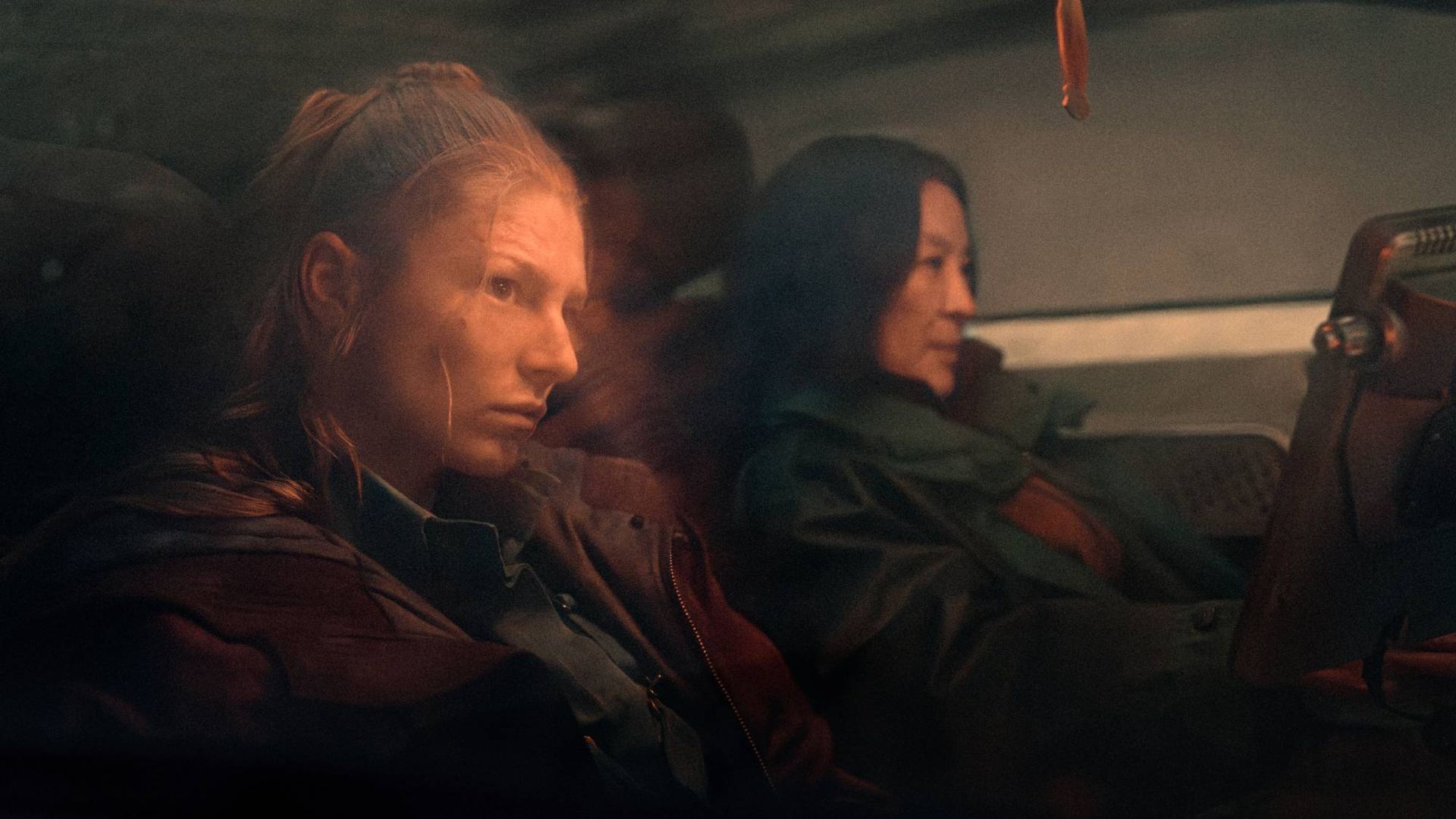
The TV gods are clearly smiling on me. Last year my favorite sci-fi series of all time, “Alien,” was adapted for TV in Hulu’s “Alien: Earth,” and now my second-favorite sci-fi series gets its own small-screen show in the form of Prime Video’s “Blade Runner 2099.”
The good news is that “Blade Runner’s” first TV show doesn’t besmirch the franchise’s good name. However, “2099” doesn’t quite manage to live up to the peerless legacy of the 1982 classic and the criminally overlooked 2017 sequel, “Blade Runner 2049.” In fact, frustration was the feeling I felt most keenly while watching the show’s first four episodes (of eight total).
Not because “Blade Runner 2099” is bad; I want to make it clear upfront this is a solid show, but because, to borrow a phrase from another iconic sci-fi universe, “We were on the verge of greatness. We were this close.” This Prime Video original gets so much right that the key areas where it comes up short stick out even more and leave me frustrated with what could have been.
Set 50 years after Ryan Gosling’s Officer K went on the hunt for Harrison Ford’s Rick Deckard, “Blade Runner 2099” leaps forward to a point in the timeline where humanity and replicants have reserved roles. The androids are on top, with humans now treated as second-class citizens, and replicant Blade Runners soon squash any fleeting thoughts of rebellion.
While it’s not the most inspired route to take — a role reversal is hardly an original narrative trope — it does set the stakes appropriately, assuming you as a viewer are rooting for the human race to prevail.
Source link





