
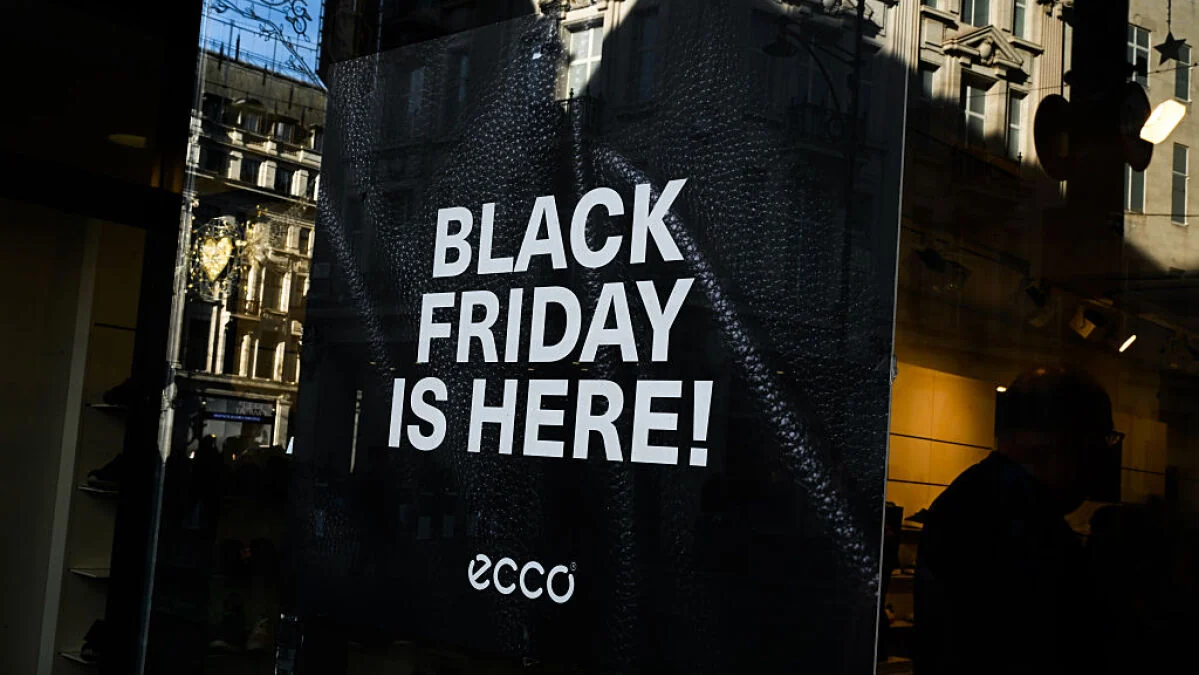
With Black Friday almost upon us, it's time to talk about something other than what you should buy or how much it costs.
The biggest shopping day of the year in the United States can also be one of the most precarious, thanks to an increased reliance on e-commerce in the age of rampant cyberattacks and system outages. There's only so much that you, as an individual shopper, can do to protect yourself if an online retailer is compromised or if you're targeted by a scam artist, but it's important to understand those measures regardless.
Here are some common-sense things you can do to make sure Black Friday doesn't become a massive headache for you or your family.
One of the main ways that bad actors will try to get you during this holiday shopping season is through phishing, which describes a variety of techniques used by scammers to trick people into giving up money or personal information.
For example, you may get text messages or emails warning of an urgent problem, such as someone using your card to buy something fraudulently, or something more mundane like a delivery notification. " Email phishing requests tend to come from odd-looking, non-standard email addresses, or ones that are misspelled in some way.
Source link





