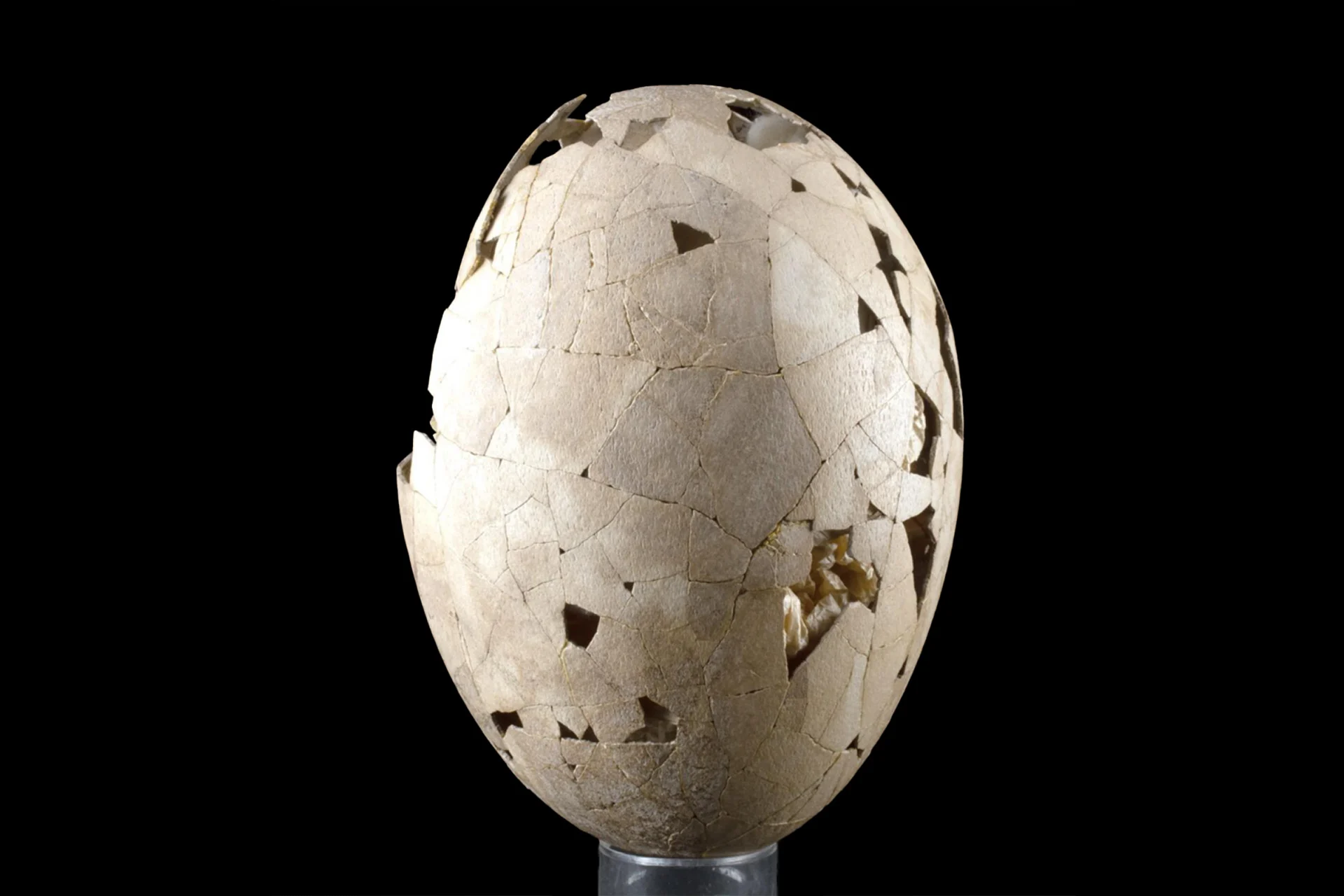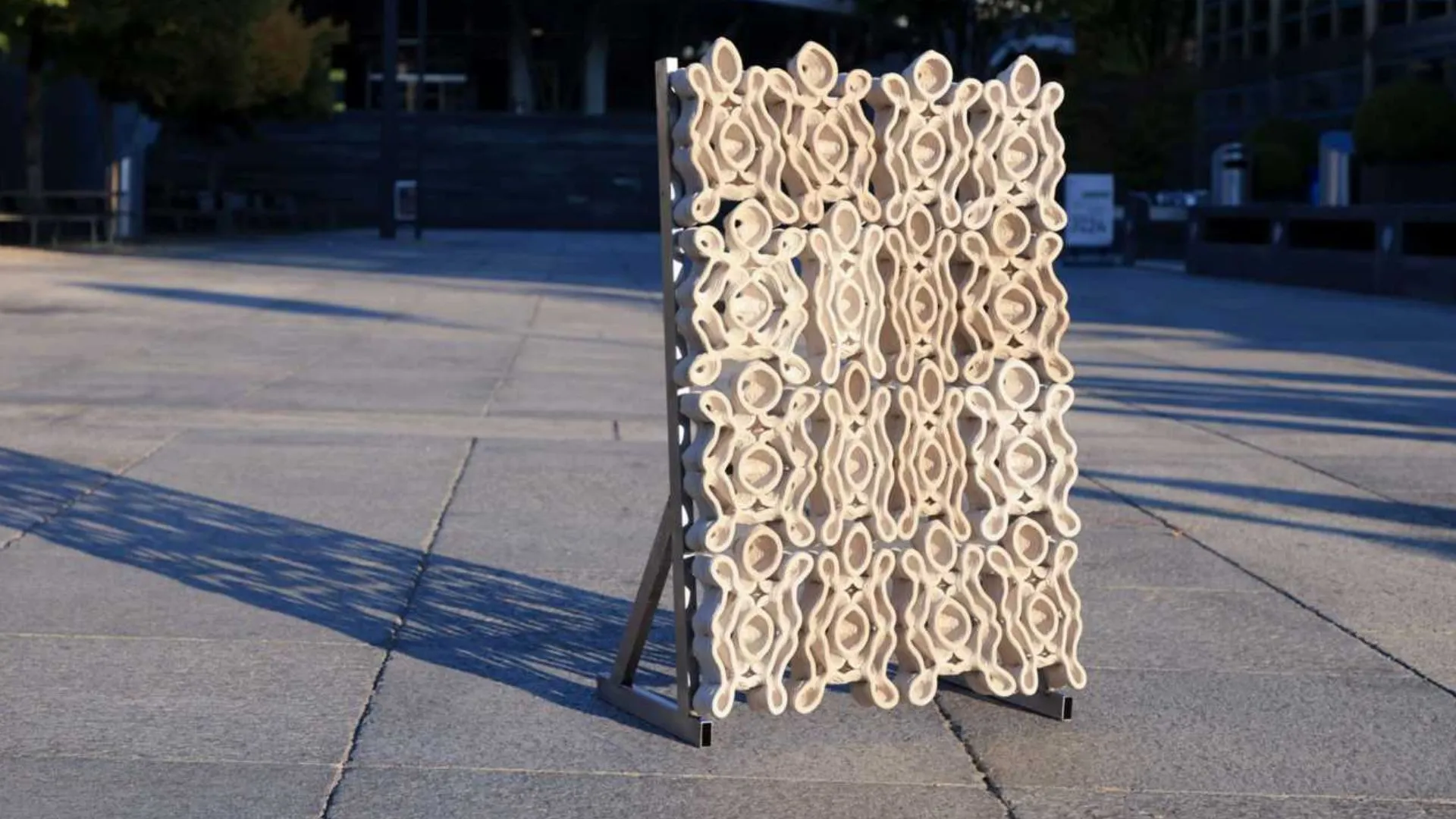
To build the sustainable cities, scientists at ETH Zurich are turning to some of the smallest living organisms on Earth. Dr. Karen Antorveza Paez, an architect and researcher, has merged biology with digital fabrication, using living bacteria, sand, and robotics to manufacture solid architectural components without burning a single fossil fuel.
The development targets one of the planet’s biggest environmental culprits. Cement production accounts for roughly 8 percent of global carbon emissions, largely because key ingredients must be fired in massive kilns at extreme temperatures.
Antorveza Paez skips the heat entirely. And recruits Sporosarcina pasteurii, a soil bacterium capable of producing “mineral glue”.
“We use bacteria to produce a kind of mineral adhesive,” Antorveza Paez noted.
Microbially induced calcium carbonate precipitation allows living bacteria to bond sand and loose grains into solid structural components without high-heat processing. Although the idea is not new, experts have previously considered this approach to build structures on Mars.
Bacterial breakdown of urea via a natural enzyme produces carbonate ions within the mixture. When they interact with calcium chloride, these ions form microscopic limestone crystals that mechanically interlock sand grains and solidify the material at room temperature.
“It’s a bit like baking a cake,” Antorveza Paez explained. “You have the dough, which is still very malleable and fragile. Only the oven turns it into something solid.”
In her work, the bacteria take on the role of the oven.
The team developed two digital manufacturing methods to create biocement architectural elements.
Researchers developed a 3D bio-printing process for biocement elements using a custom bio-ink made of water, natural gums, sand, and live bacteria.
Source link