
Regulatory clarity and market timing are a boon for smaller Chinese smart-camera maker Insta360 and its independent Antigravity drone brand.
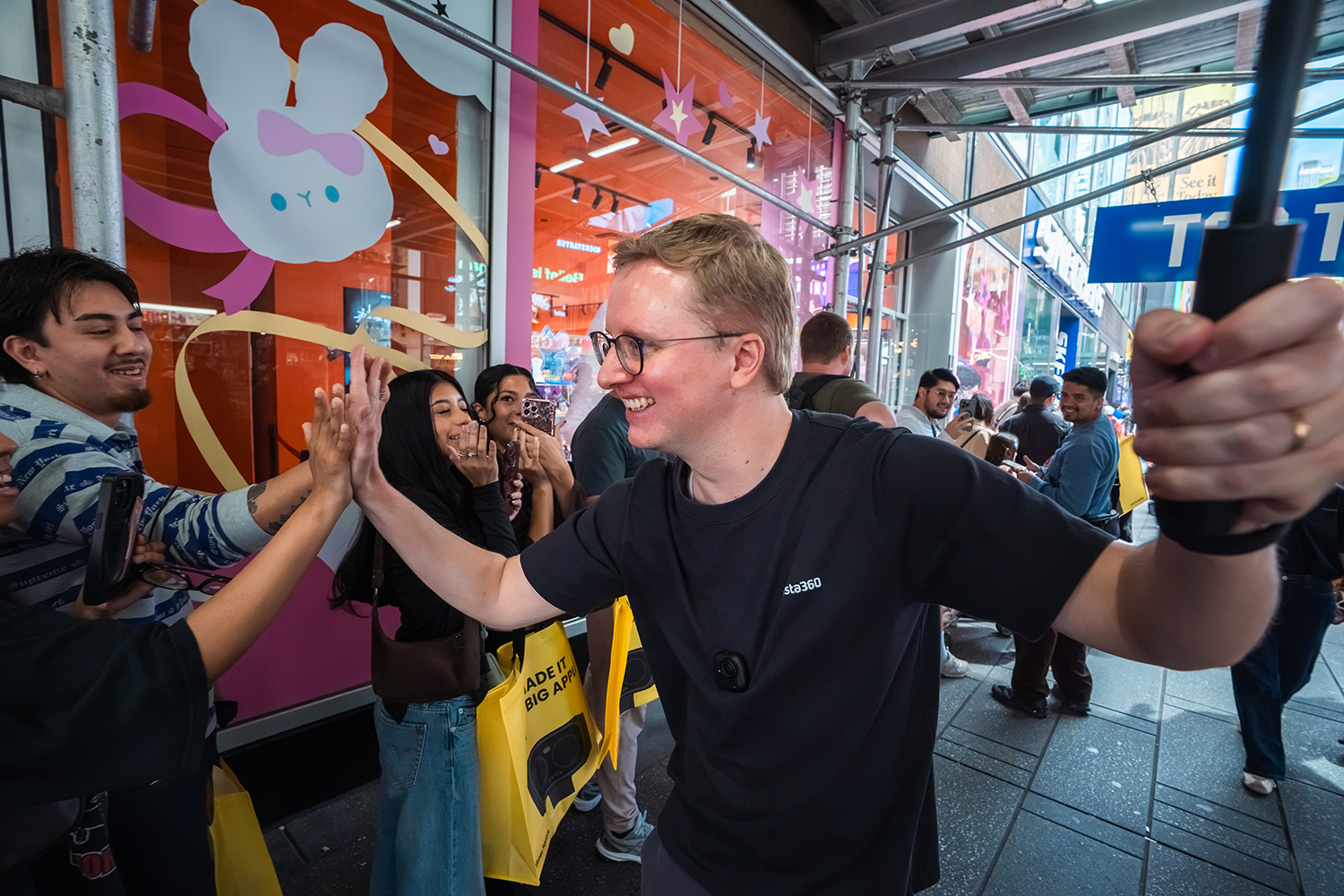
On a Saturday morning in September, dozens of people lined up in New York City’s Times Square to check out pocket-sized cameras made by Chinese camera maker Insta360. YouTubers flew in to promote the products. As part of the marketing campaign, cyclists prepared to bike around the city in bright yellow shirts emblazoned with the Insta360 logo.
The Shenzhen-based company was opening its first flagship store in the U.S., a high-profile push to market its smart cameras to content creators, travelers, and sports enthusiasts. It was also a statement of confidence in a market where Chinese technology companies are facing growing scrutiny.
There are restrictions, but it’s better to have a clear no than maybe in business.”Chris Pereira, founder of consultancy iMpact
“The U.S. is a super high potential market for us,” Max Richter, Insta360’s co-founder, told Rest of World at the store opening. The U.S. accounts for 30% to 40% of the company’s revenue, he said. “You have an amazing outdoor sports community, you have a huge influencer economy, and I think Insta360 really gathers both of these audiences.”
S. expansion stand in sharp contrast to the experience of DJI, the dominant Chinese player it’s trying to challenge in the global drone and handheld camera market. DJI dominates the global civilian drone market, while Insta360 last year announced a separate company to make drones. In handheld smart cameras, DJI accounted for 73% of the global shipments, while Insta360 accounted for 20%.
Source link





