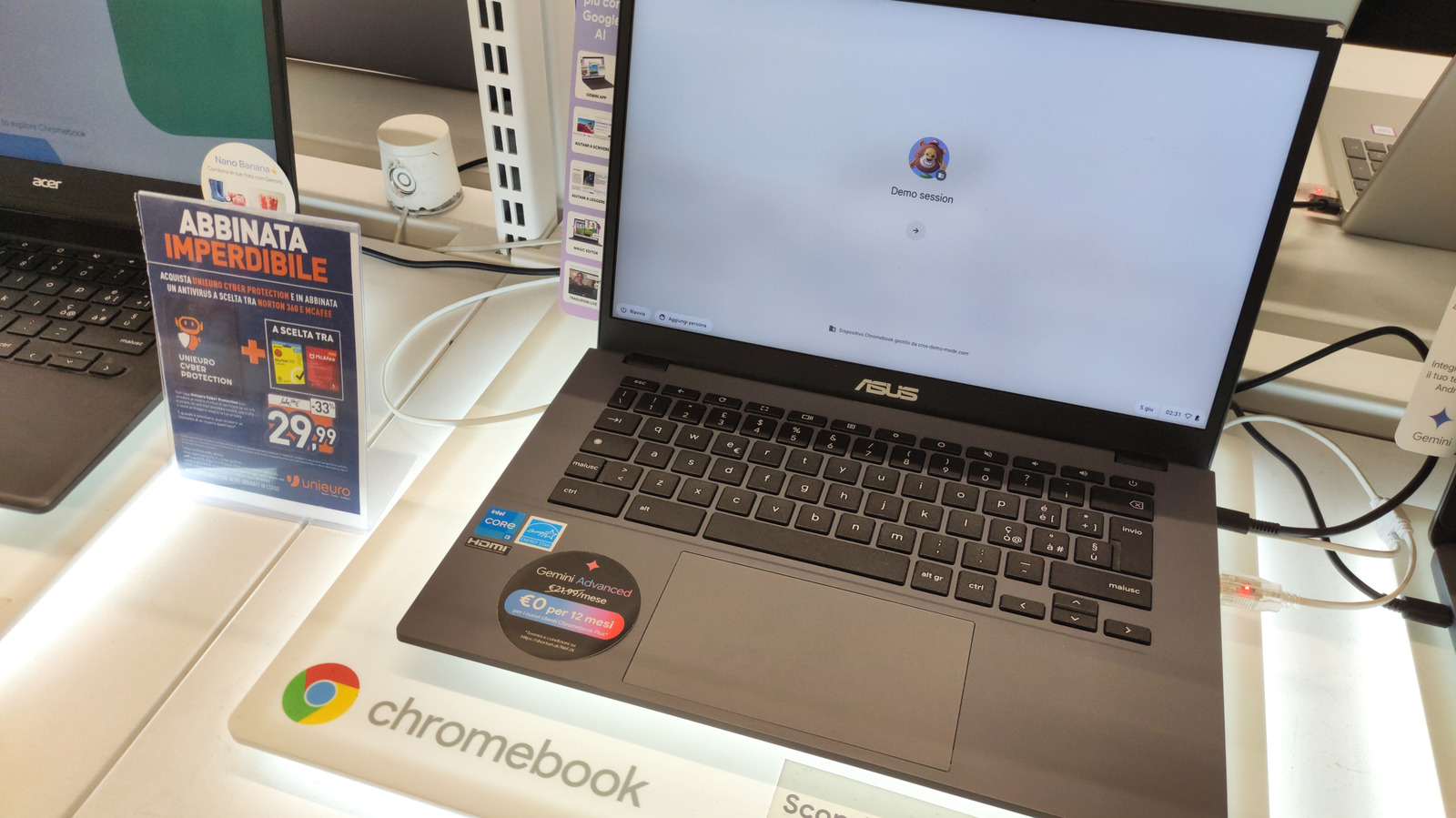
Google has been working on its next generation of laptops for a while. They're now here, and they're called Googlebooks: an evolution of Chromebooks and ChromeOS. But does that mean the end of Chromebooks? Not exactly. Google will continue to support ChromeOS until 2034, and the two product lineups are aimed at different customers.
If you've been thinking about buying a Chromebook, there are still plenty of reasons to choose one over the new Googlebooks. It all depends on what you're looking for in a laptop.
The main difference with Googlebooks is that they run an Android-based operating system instead of ChromeOS. While ChromeOS can run Android apps, it emulates them, leading to occasional poor performance and bugs. In contrast, Googlebooks can run most Android apps natively at full performance, taking better advantage of the hardware — although some apps might run poorly on Intel-based laptops. They have access to the full Google Play Store.
Speaking of hardware, Google is pushing for better specs, with laptops starting at 16GB of RAM and 256GB of storage. The first Googlebooks deliver around 14 hours of battery life, which is much longer than most Chromebooks.
And because they run an Android-based system, they also integrate much better with Android phones. You can open your phone apps on your laptop and access your files without having to transfer them. Many settings can also be synced between the two, such as your passwords and notifications. The idea is similar to what Apple offers when you use both a Mac and an iPhone.
Source link