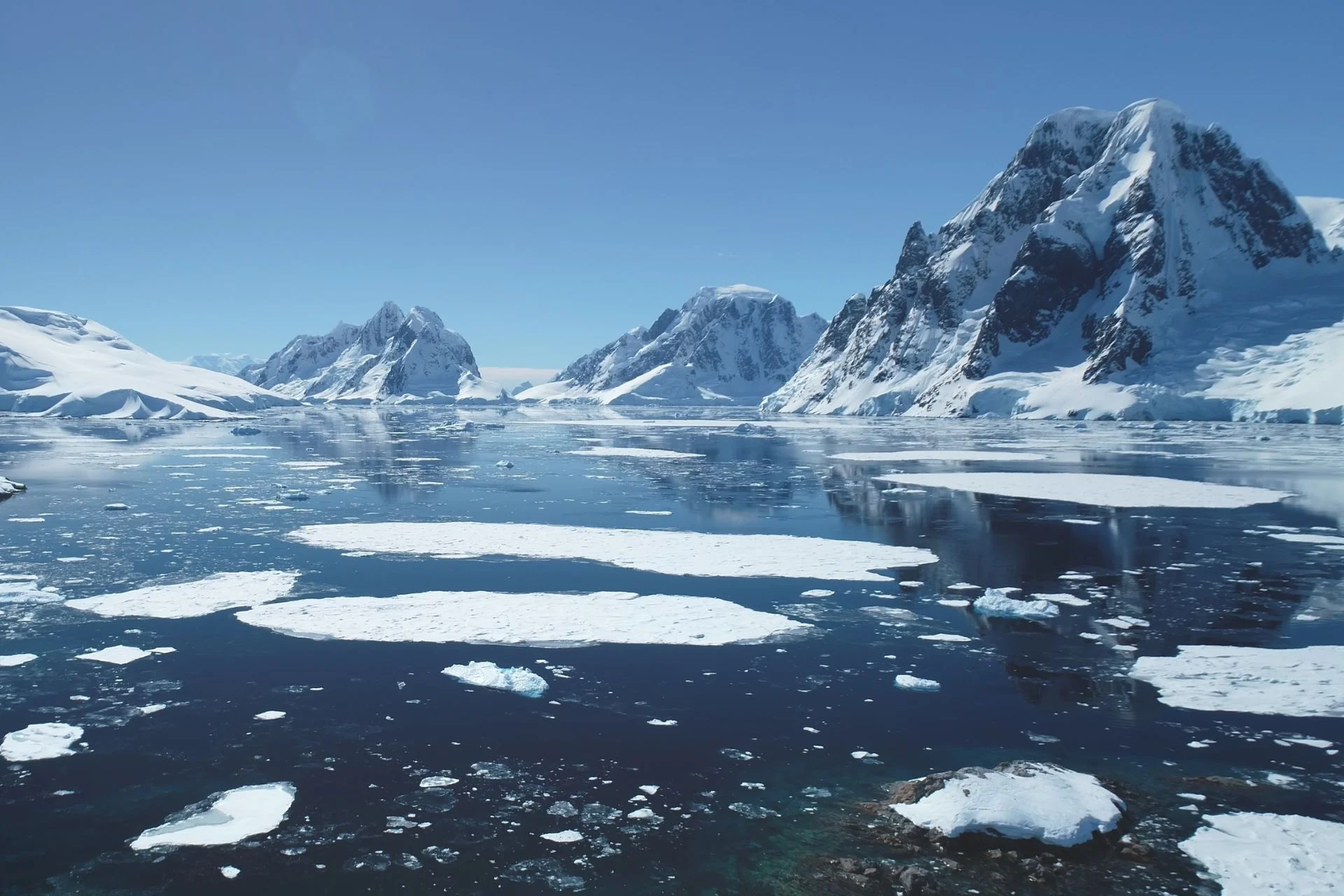
The Arctic’s future is already looking bleak, with rising temperatures driving a steady decline in sea ice. But the picture could be even worse than scientists thought.
A new study suggests that Arctic winter sea ice could shrink by around 621,000 square miles (1 million square kilometers) more than previously projected after researchers used evidence from a warm period 6,000 years ago to improve the accuracy of climate models. The findings, published in Nature Geoscience, could have wider consequences that extend well beyond the polar region.
Arctic sea ice melts through spring and summer, typically reaching its annual minimum in September. The decline is especially visible because large areas of open ocean emerge where ice once covered the surface.
As temperatures fall, sea ice grows back and reaches its annual maximum, usually in March. But the return of a broad ice cover does not mean the Arctic has recovered. Ice can become thinner, younger, and less extensive than it once was. Winter ice also controls how much heat escapes from the ocean into the atmosphere, making its changes important for the Arctic climate system.
While the dramatic retreat of Arctic sea ice in summer has become one of the most visible signs of climate change, changes in winter ice have proved harder for climate models to capture reliably. To address that problem, researchers turned to clues preserved in Arctic sediments from thousands of years ago.
The team behind the new study compiled measurements of chemical biomarkers produced by algae living in sea ice.
Source link