
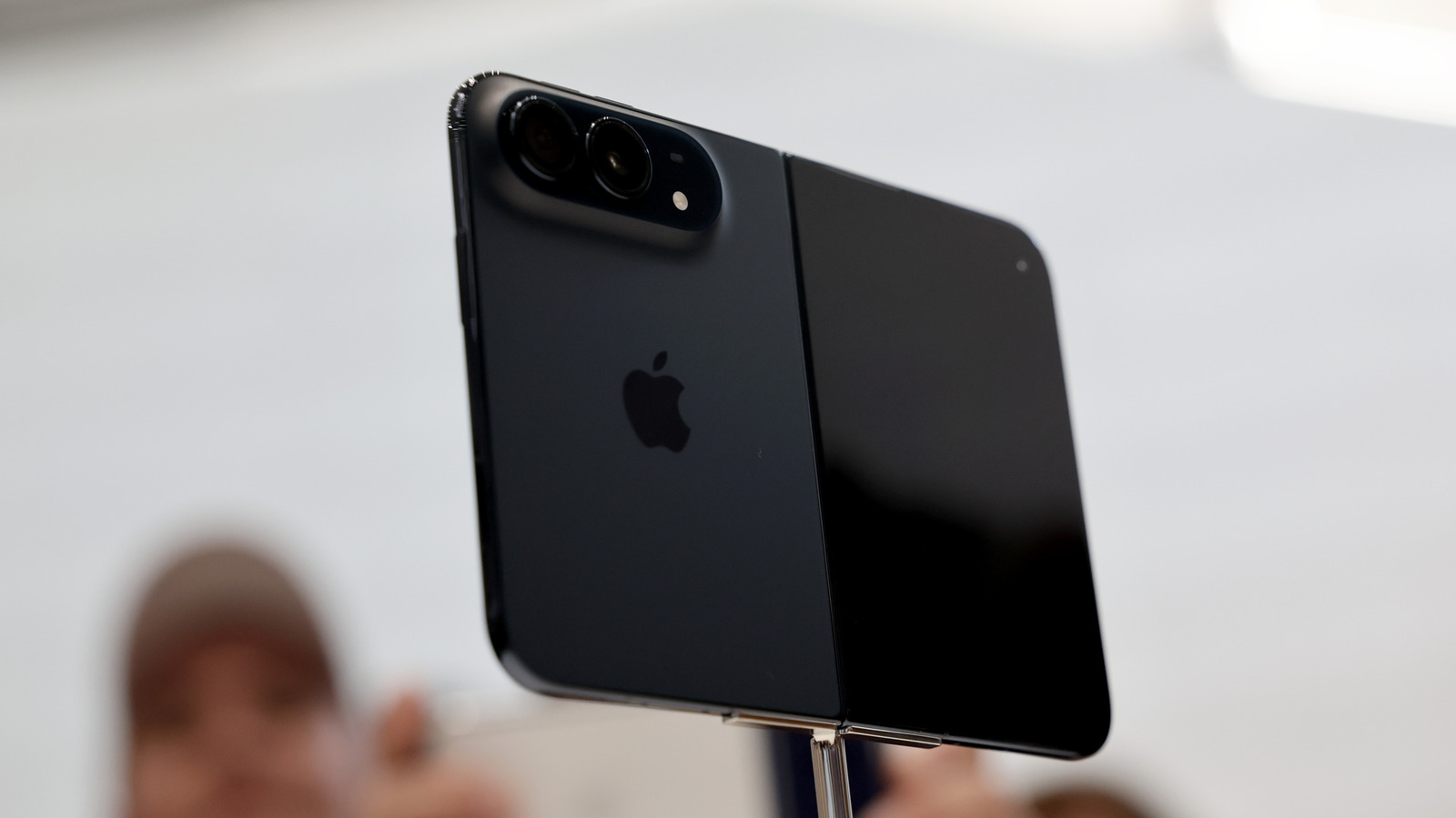
It's no secret that Apple is late to the foldable phone party, but that's really its style, contrary to some myths. While it helped pioneer categories with the iPod, iPhone, iPad and Apple Watch, more often than not Apple tends to sit on the sidelines, waiting for rivals like Samsung to take the big risks with new technologies. Then it swoops in, hopefully with a more polished product. The iPhone Duo is a prime example.
The foldable market is old enough at this point that Motorola has produced several generations of updated Razrs, its flagship being the 2026 Razr Ultra. At $500 less than the $2,000 iPhone Duo, there's obvious appeal, all the more so because you're not locked into the Apple ecosystem. Some of us are certainly OK with that predicament. In the Android world, though, you're not counting on one brand to get its hardware right every year.
If you're neutral on your platform pick for a future foldable, you should at least briefly pit the Ultra and Duo against each other. Given some dramatic differences, however, you're liable to end up firmly on one side of the fence. The two products are targeting very different demographics.
The deepest split is in form factors. While both devices offer internal and external screens, with adaptable interfaces based on how they're folded, the Ultra assumes a standard candybar layout when open, measuring 7 inches diagonally. The goal is to provide a maximally compact device that's easier to slip into your pocket or a handbag, even if it means sacrificing some functions on its external screen.
Source link





