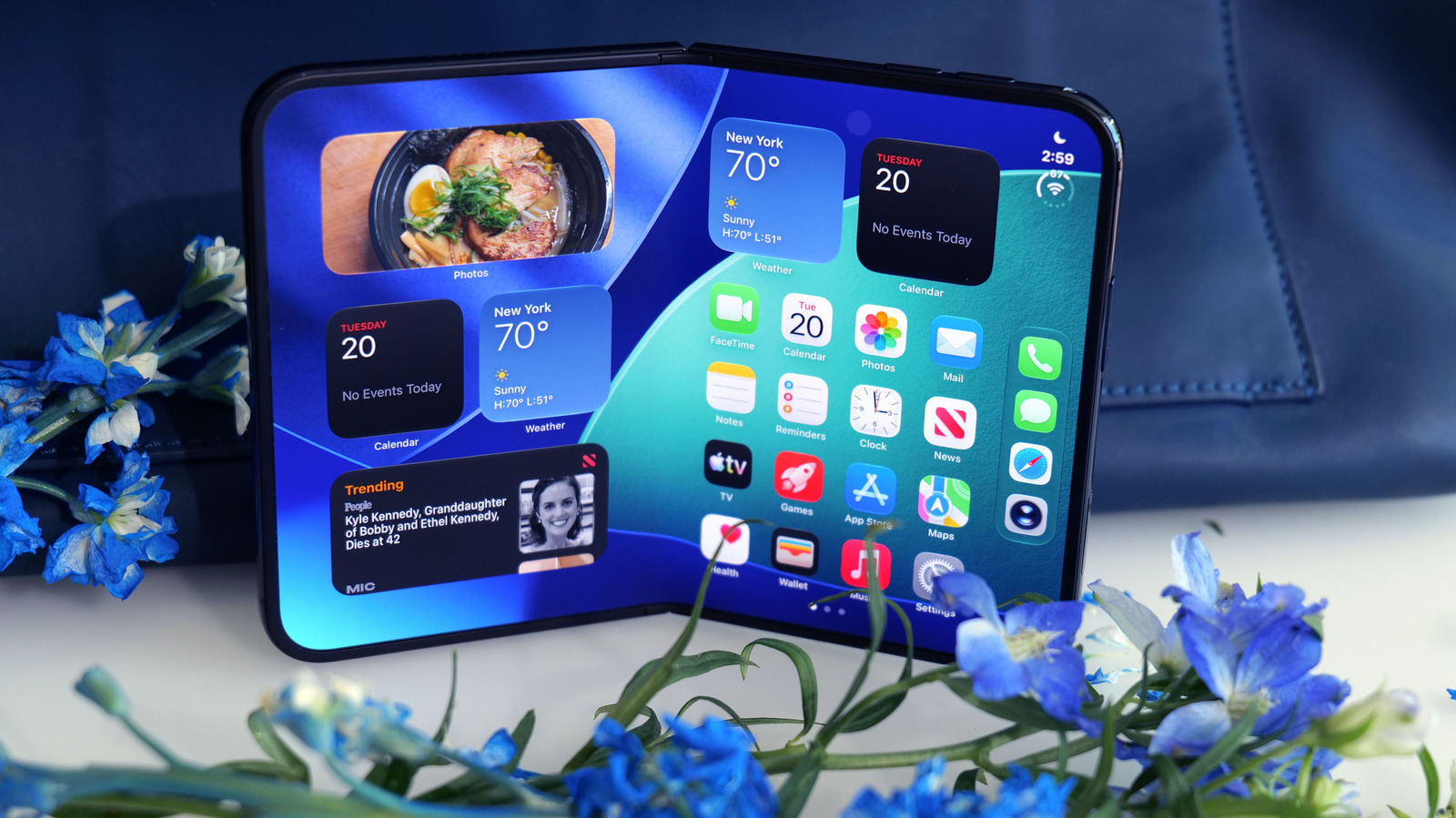
But a lot of apps still need fine-tuning to look their best on Apple’s first bendy iPhone.
Nearly a decade ago, the iPhone X ushered in major changes to the way Apple built its mobile devices and we are still seeing the effects of that today. However, between John Ternus taking the reins as CEO and the arrival of the iPhone Duo ($1,999), it feels like Apple has embarked upon another paradigm shift that could pave the way for the company's next generation of hardware. While the Duo is heavy, expensive and late to the market compared to its Android rivals, it encompasses some of the best tech used by its competitors while also redeeming features that other manufacturers have seemingly left for dead. And even though many apps still need to be optimized to fully take advantage of the Duo's design, the release of Apple's first foldable has been worth the wait.
The move from one to two screens offers a world of possibilities for phone makers, but also a lot of traps. You make something too sleek and it might not have the durability to withstand the rigors of everyday life. And with not one but two displays to worry about, the handoff between from one panel to another becomes even more important. To balance things out, Apple went with a design that delivers strength and consistency, even though the downside of that decision is a device that's significantly heavier than its closest competitors.
4-inch OLED display with 120Hz ProMotion support and an impressive peak brightness of up to 3,000 nits.
Source link