Google is testing to see if its AI computing equipment can handle being launched into orbit.
On Oct. 1, Google plans to hitch a ride on a SpaceX Transporter 18 rideshare flight, entrusting the mission with a test satellite it hopes will prove durable enough to start doing some light AI work while orbiting in space.
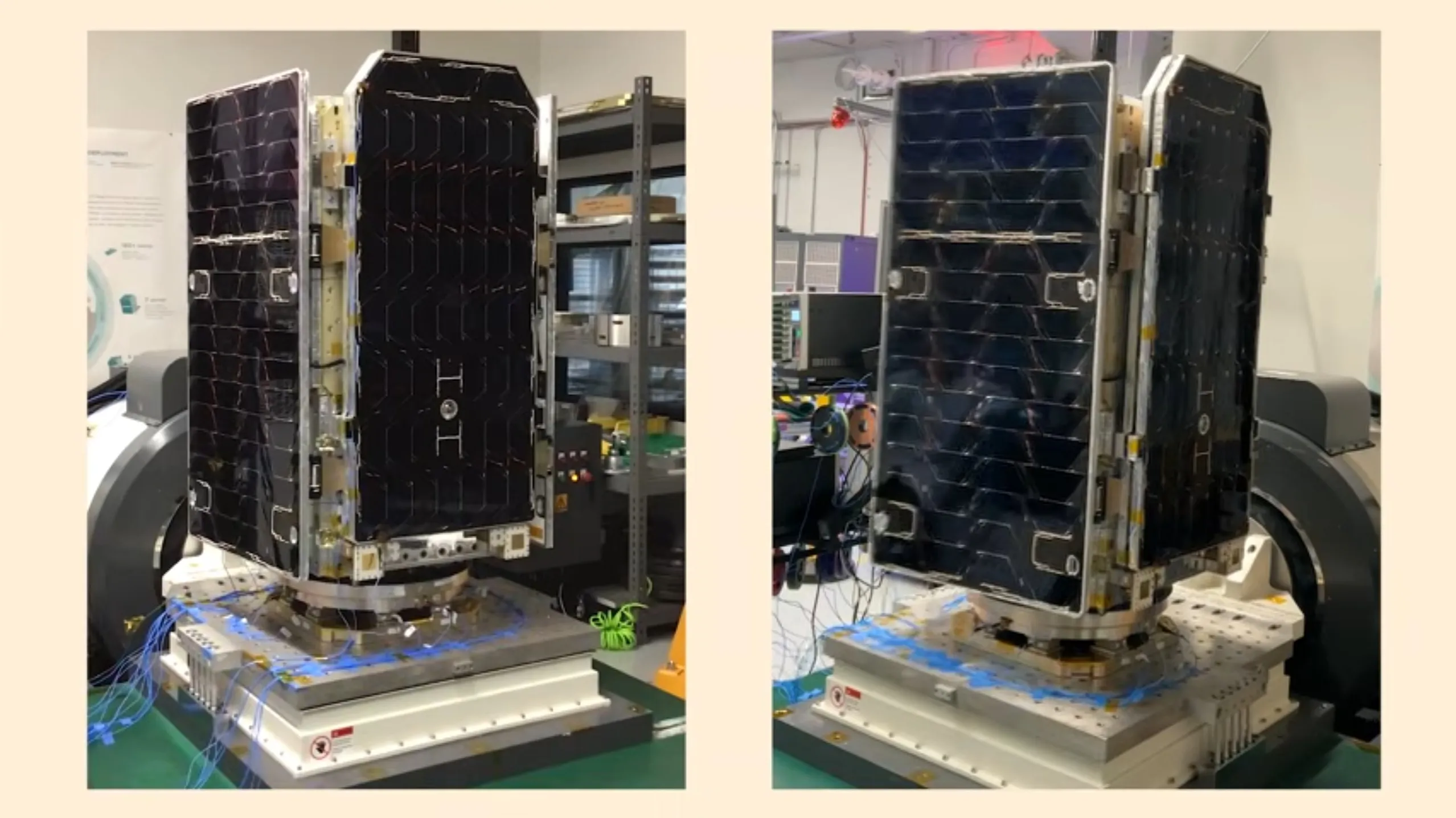
This isn’t exactly putting a data center in space — a much-hyped concept that AI entrepreneurs like Elon Musk have been touting over the last year —but it’s not not doing that. The satellite, which The New York Times reports is called “MWP” and which it describes as about the size of a refrigerator, won’t be running any huge medical research studies or beaming back streaming data. It will be low-powered, running off solar power, and designed just to test the concept of AI computation in space. Google is running the test in partnership with the satellite imaging company Planet and as part of Google’s Project Suncatcher initiative, which was announced late last year.
In a blog post that includes videos showing some of the preparation Google’s research teams have done — such as making sure that TPUs (a type of AI chip) can withstand the vibration of launching into space — the company characterizes this test as a small early step in a long-term moonshot: “exploring whether space could one day host scalable machine learning infrastructure.”
In a post on X , Google CEO asked, “Can our TPUs survive and operate in space?
Source link