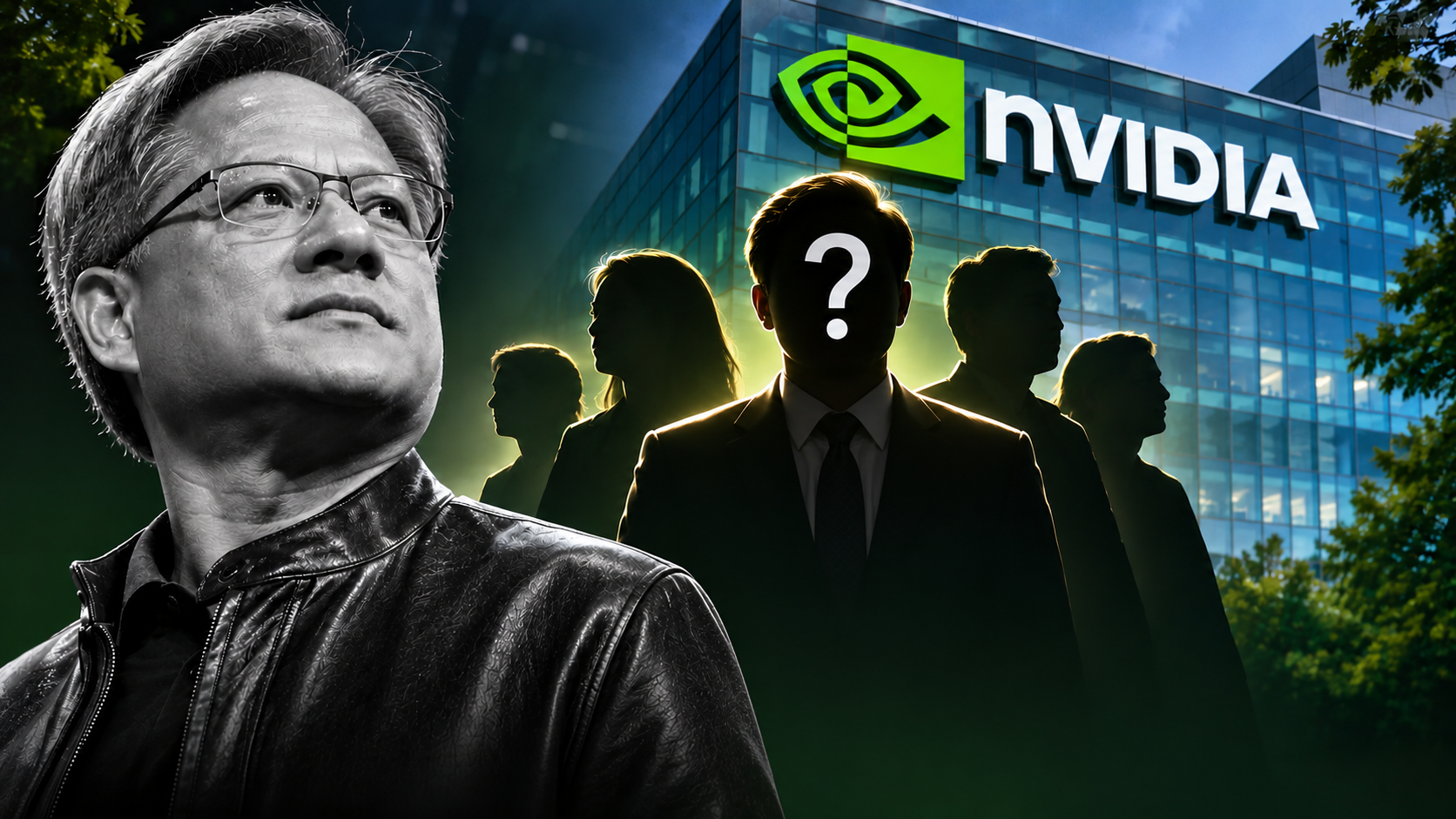
Nvidia announced early Thursday morning that CEO Jensen Huang had resigned from the company. The updates come after reports that Huang had been having affairs with an alleged Chinese spy, as well as an executive who reported to him at the company. The scandal has spurred myriad national security concerns and sent Nvidia stock tumbling.
For the chipmaker—which sources some 80% of the world’s GPUs—Huang’s exit marks the loss of an executive who led the company through an AI craze and to record profits. But for the United States, and the tech industry more broadly, the scandal raises concerns about ongoing attempts by spies to steal valuable intellectual property and compromise the country’s leading technology executives.
“I can vouch for the lack of concern by senior executives about such matters,” Matt Brazil, an expert in espionage now writing about the topic and a former U.S. Army officer, corporate security investigator, and expert control official, told Fast Company. “They will freely spend money to increase revenue but are far less enthusiastic about outlays to protect revenues, reduce losses, or promote security awareness.”
Brazil, who is also a senior fellow at the Jamestown Foundation, a global analysis firm, emailed with Fast Company from Melbourne, Australia about the prevalence of honeypot schemes, the threat of espionage to tech companies, and what steps boards take to investigate their top executives.
How common are these kinds of honeypot schemes, particularly those backed by the Chinese government and targeting American tech executives?
Source link