In a deeply divided country, there’s at least one thing most Americans seem to agree on: Silicon Valley does not have their best interests at heart.
Tech companies have sunk vast fortunes in AI, promising a second Industrial Revolution that will free humans from drudgework, accelerate scientific discovery, cure cancer, and generally improve everyone’s quality of life. Almost in the same breath, however, they admit there’s a nonzero chance that it could wipe out humanity. Needless to say, that’s too high a chance for many people to justify automated assistants that can clean up your email inbox or organize your work calendar: a recent poll from the Associated Press-NORC Center for Public Affairs Research found that the majority of American adults (64%) think AI is developing too quickly. Even leaders from OpenAI and Anthropic have called for a unilateral slowdown until proper guardrails can be put in place. President Trump, however, has flatly rejected those calls in the name of maintaining technological supremacy over China, and mocked American communities’ backlash to data centers, saying it would end up making them “backwards and poor.”
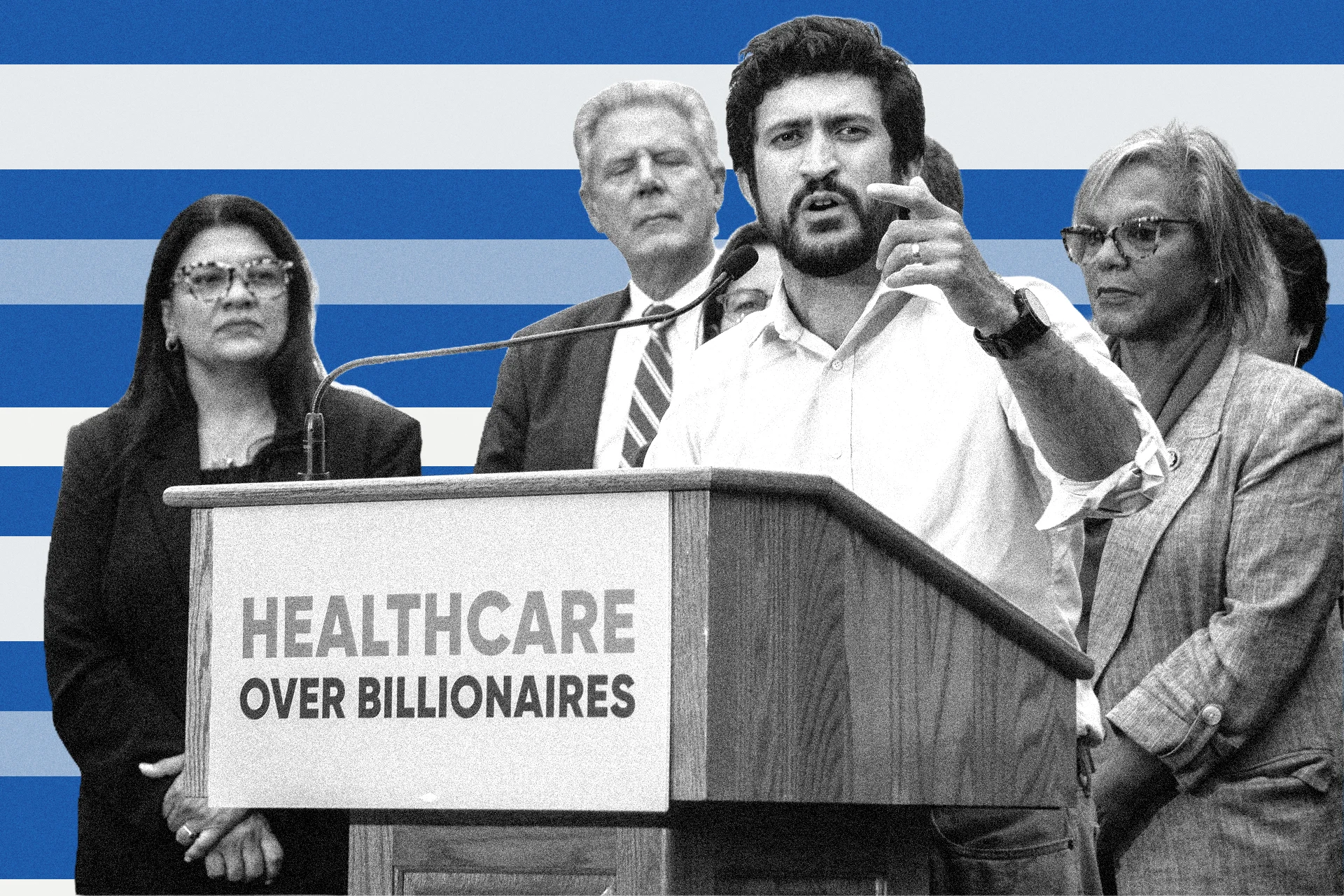
The widespread public anxiety about AI and the failure of the current administration to respond to it in any meaningful way could be the Democratic Party’s saving grace, according to Congressman Greg Casar.
Casar, now thirty-seven, is the youngest person ever to chair the Democratic Progressive Caucus , a group of nearly one hundred liberal lawmakers. A former union organizer, he’s made a name for himself on Capitol Hill in recent years by challenging the unregulated AI industry mostly from an economic angle.
Source link