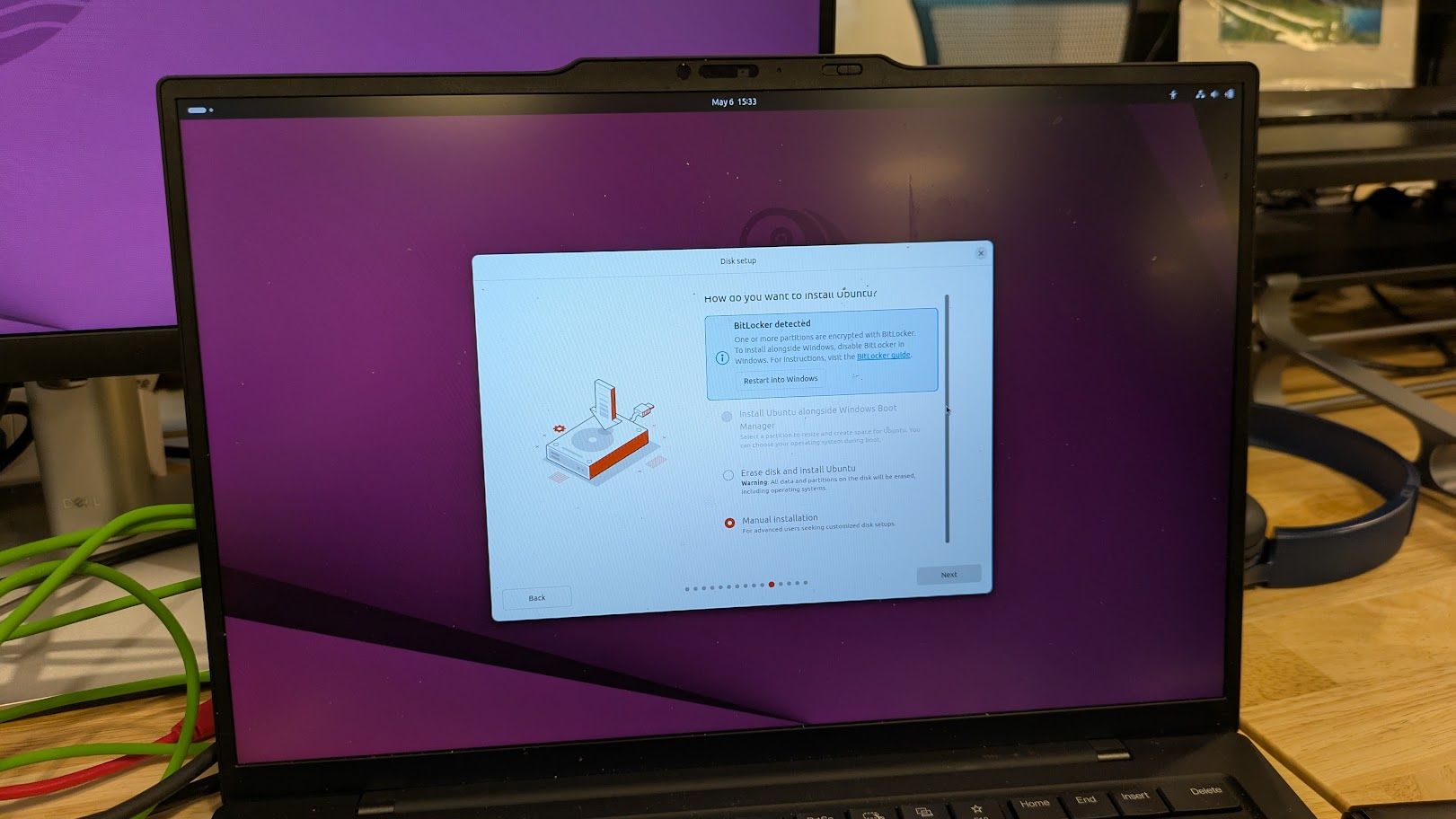
Former owners of laptops gained yet another concern today. Firmware-backed drive encryption setups like Windows' BitLocker are meant to protect against someone stealing your laptop or desktop computer. Prospective thieves would have a hard time guessing your PIN, as they'll eventually have to wait 10 minutes for each attempt. That is, unless your machine uses a modern AMD CPU or relies on Winbond's SPI flash — in which case your data may be open for inspection in a few days, or even hours, as researchers from Technische Universität Berlin found out.
The paper covers many vulnerabilities, but we'll focus on the big three. All focus on having a way to brute-force an encrypted drive's password in a matter of days/hours rather than years. Physical access is required for the attacks, but hardware theft is precisely the scenario that disk encryption is meant to protect against.
An attacker makes brute-forcing easier by resetting, or pretending to increase, the counter that records the number of failed unlock attempts. On Intel- and AMD-based PCs using the fTPM for security — nearly all modern x86 consumer machines — this counter is stored encrypted in an SPI flash chip on the motherboard.
Standard procedure is to allow for 32 attempts in succession, then force the machine to wait 10 minutes for each additional one, resulting in many years for unlocking a short PIN — 19 years for a six-digit numerical PIN, under normal conditions. We should note the attacks likely extend to other fTPM-based disk encryption mechanisms, not just BitLocker.
Source link