
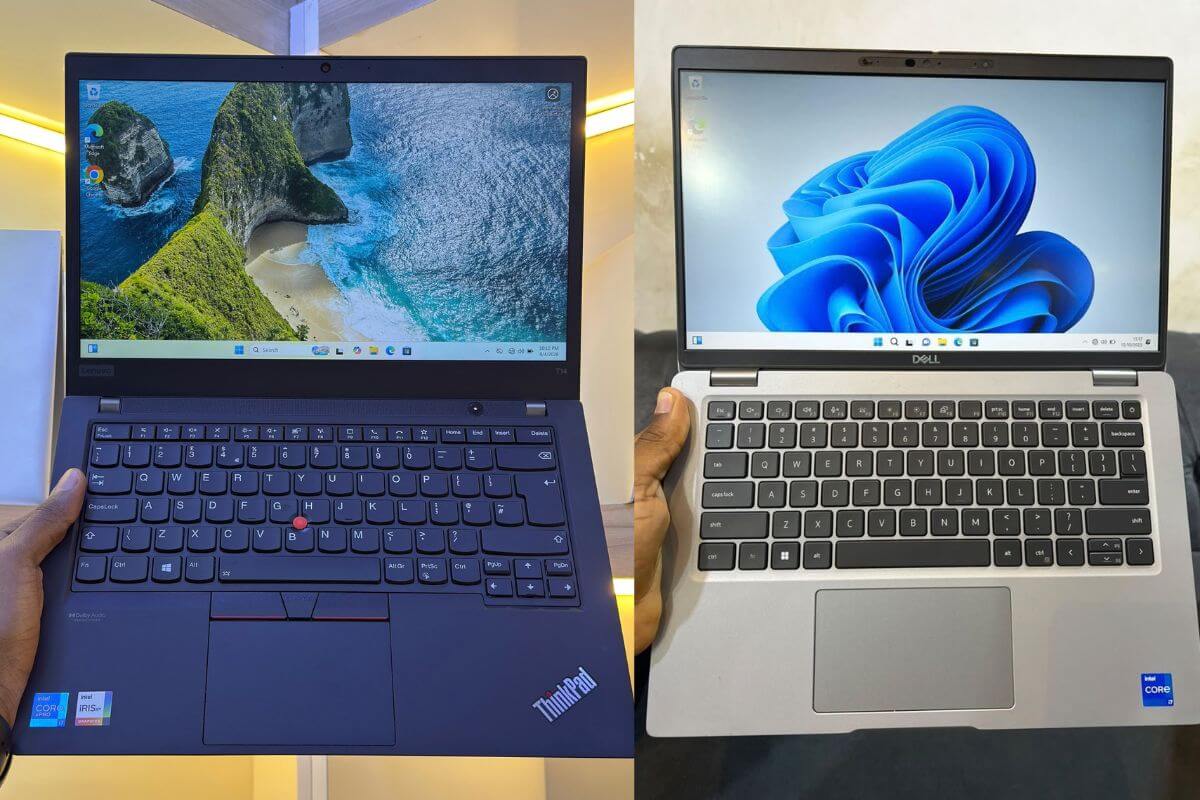
A phone hotspot is fine for an afternoon in a café. For people who work on the move every day, it gets old quickly: the phone runs hot, its battery drains, and the connection drops whenever a call comes in. Laptops with a built-in cellular modem solve that, but new ones sit at the top of the price list. The used business market offers a cheaper way in.
A laptop with WWAN has its own SIM slot and antennas routed through the lid, where they are larger and better positioned than those in a phone.
In practice, that often means a steadier signal on trains and at the edge of coverage, no pairing, and a connection that is up the moment the lid opens. It also keeps work traffic off hotel and airport Wi-Fi, which is the simplest security upgrade a mobile worker can make.
There is a practical side for the phone, too. A handset that spends the working day as a hotspot charges and discharges far more often, and a call or a low-battery warning can cut the laptop off in the middle of an upload.
With a separate data SIM in the computer, the two devices no longer compete for the same connection.
Cellular connectivity has long been a factory option on corporate lines such as Dell Latitude, Lenovo ThinkPad, and HP EliteBook. Companies lease these machines for three or four years and then replace whole fleets at once.
The returned laptops are tested, cleaned, given a fresh operating system, and sold on with a warranty, usually at a fraction of the original price.
Source link





