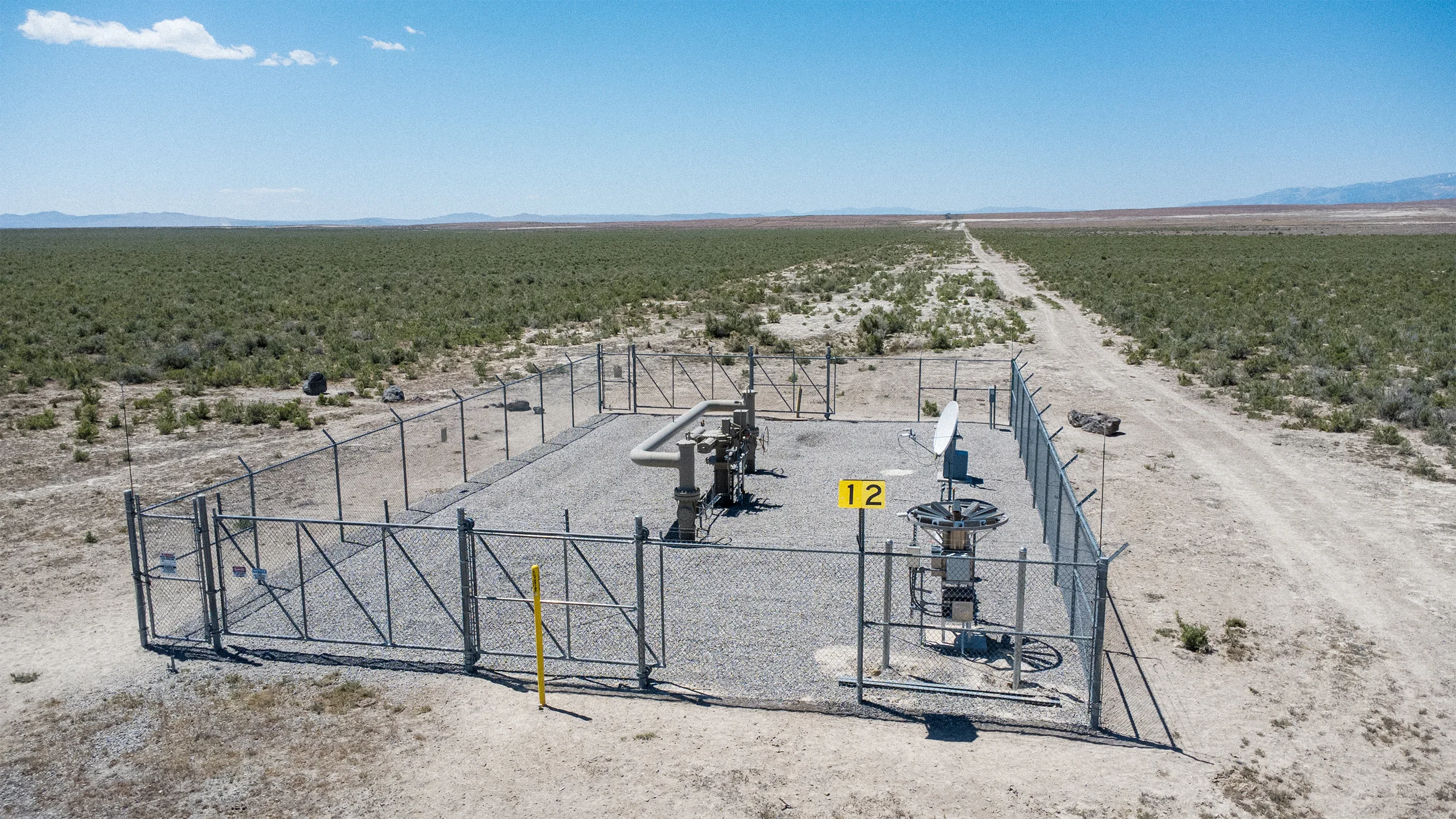
Stratos, the Kevin O’Leary-backed data center in Utah, is projected to consume 9 gigawatts of power when fully up and running—more than double the annual electricity use of the entire state.
And if all that electricity comes from gas power plants, as proposed, that could cause an estimated 45 additional premature deaths a year, and up to $690 million in annual health damages, according to a new analysis by EmPower Analytics Group, commissioned by the Natural Resources Defense Council (NRDC).
Gas power plants release dangerous levels of air pollution, including tons of PM2.5, or fine particulate matter, that can enter our lungs and bloodstream, raising the risk of asthma, lung cancer, heart attack, and stroke, among other health impacts.
We know about those health impacts from decades of research on exposure to fine particles, which are produced from consumption, says Michael Cork, founder and CEO of EmPower.
“While the scale of this type of facility being built is new,” he adds, “the science we are using to tie this pollution to health impacts is not.”
The Stratos data center, if entirely powered by gas, could emit up to 3,140 tons of PM2.5 every year, per the analysis. That pollution wouldn’t only impact people in Utah; it would also spread to Idaho, Wyoming, Colorado, and even Illinois.
All of that pollution could cause an estimated five to 45 premature deaths every year. But it could also increase heart disease and respiratory illnesses, new asthma cases, and nonfatal heart attacks—which would lead to more hospital visits, missed work, and lost school days.
Source link