Rapid advances in AI software creation are driving an existential shift in the industry. With this, traditional coding is entering its “handloom” era, according to Sridhar Vembu, Co-founder and Chief Scientist of enterprise software firm Zoho.
Comparing software to a “handloom business,” Vembu said “powerful machine looms” are emerging, referring to automated systems generating complex computer scripts at high speed. Automated systems can already write functional code faster and more efficiently than many human developers, he added.
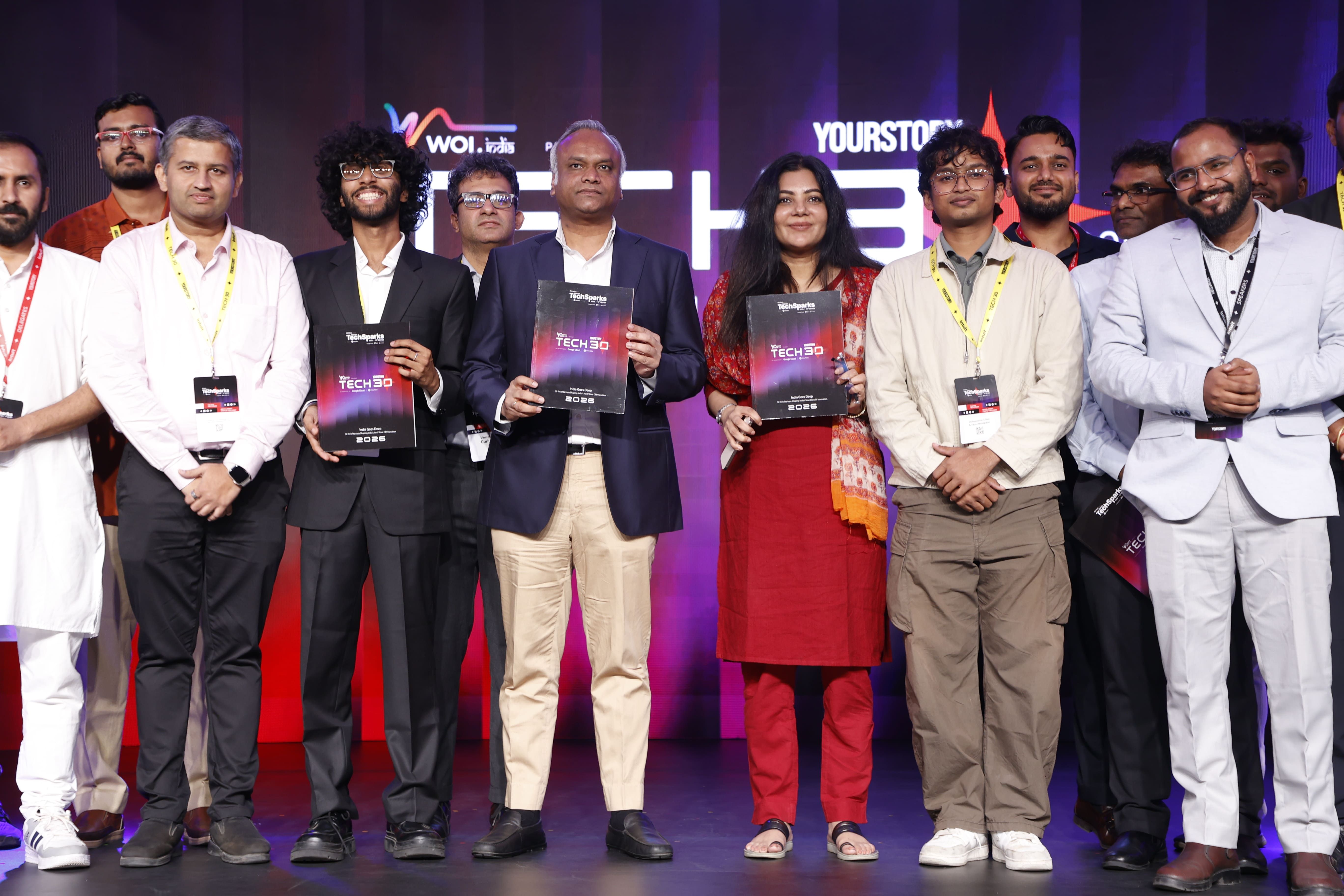
“AI already can write better code than at least 60-70% of software engineers out there. And in maybe three to six months, when things accelerate, AI can do better software than maybe 90% of software engineers,” Vembu said, speaking at the 17th edition of YourStory’s flagship tech-startup event, TechSparks.
Venture capitalists like Chamath Palihapitiya have suggested that intellectual property, the underlying proprietary ownership of written software code, is effectively dead, he added.
Despite the impending disruption to tech professionals, a large part of India's population will remain largely unaffected, said Vembu, presenting a counter-intuitive macro perspective. He pointed out that roughly 97% of the broader population does not write software and operates as consumers of technology.
Outside major tech hubs such as Bengaluru, districts like Tenkasi in Tamil Nadu or Patna in Bihar will experience minimal direct economic upheaval if coding jobs disappear, said Vembu.
Furthermore, as software creation costs fall, automated efficiency could exert deflationary pressure across the broader economy. Lower production expenses mean non-technology workers, including teachers, nurses, and barbers, effectively gain increased real purchasing power as consumer goods become more affordable.
Source link