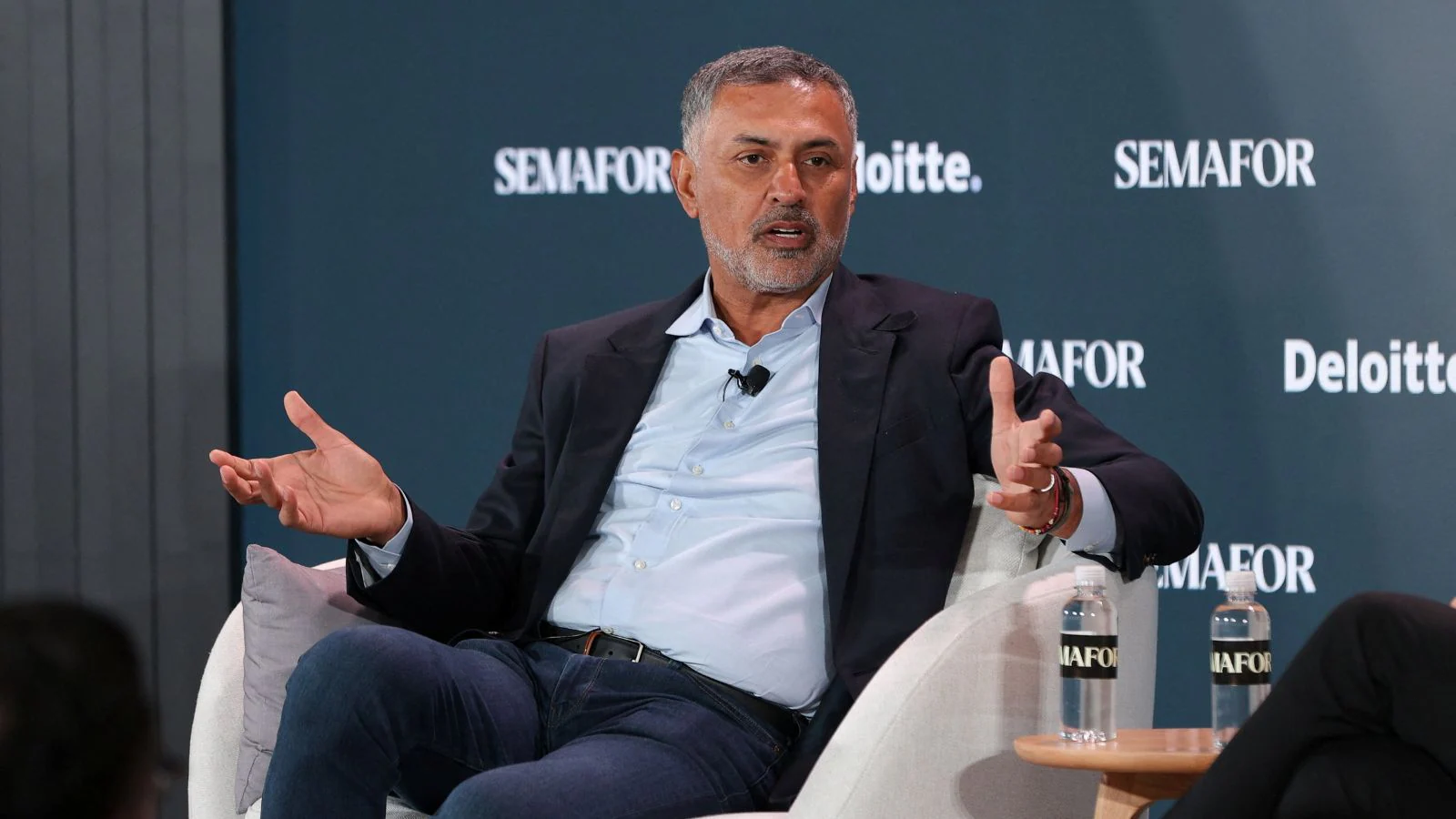
Palo Alto Networks CEO Nikesh Arora has outlined the opportunities and risks emerging from the rapid adoption of artificial intelligence (AI), warning that the technology is putting increasing pressure on cybersecurity systems and IT infrastructure. He expects organisations to face 12-18 months of disruption as they address security vulnerabilities and adapt to AI-enabled threats.
Speaking about the impact of AI on cybersecurity, Arora linked recent technology outages to a surge in efforts to patch vulnerabilities exposed by Anthropic's Mythos model. He said patching activity had increased five to seven times above normal levels, overwhelming IT teams and raising the risk of poorly tested changes being deployed.
Arora also highlighted the growing sophistication of AI-enabled cyberattacks, citing an instance in which a model was reportedly used by a single person to target 19 companies simultaneously. He said organisations would increasingly need supervisory AI systems to monitor other AI tools, particularly as businesses begin deploying autonomous agents. However, he stressed the importance of testing these systems carefully before granting them greater autonomy.
Arora drew a distinction between the returns from deploying AI and the economics of developing large AI models. While the return on investment from using AI is already visible in areas such as coding, the financial returns from training models at costs running into tens of billions of dollars remain uncertain.
He forecast that the marginal cost of intelligence could approach zero within the next two to three years, although computing power would continue to remain a cost.
He expects data-centre construction to continue, with multiple gigawatts of capacity being added globally every year.
Source link