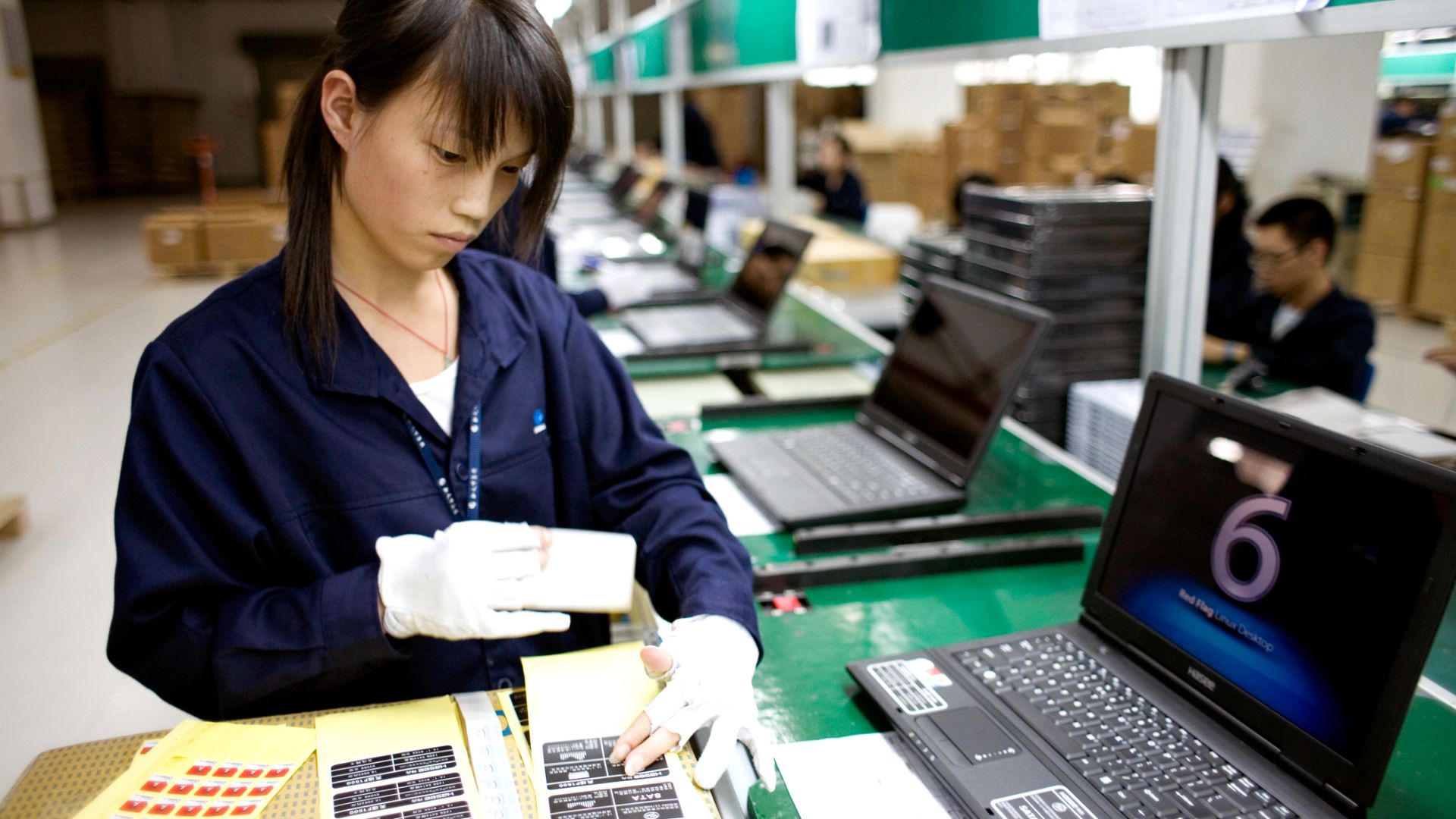
HP, Asus, and Acer have reportedly moved some of their manufacturing capacity back into China as increasing component costs — driven by AI — bite into their margins. According to Nikkei Asia, increasing bill-of-materials costs have made China’s experienced workforce, relatively lower prices, and established supply chain ecosystem a more attractive option. However, they are not going back to traditional suppliers like Foxconn, who have focused their production capacity on AI data centers. Instead, they’re signing contracts with smaller Chinese contract manufacturers, like Luxshare, Huaqin Technology, and Longcheer Technology, that are trying to establish themselves in PC manufacturing.
- The data center cooling state of play
- The custom AI ASIC state of play
- America’s AI chip rules keep changing — and the rest of the world is paying the price
- GTC 2026: Ian Buck press Q&A transcript — VP of Hyperscale and HPC speaks out on shelving CPX and shipping LPU decode this year
- Demand for data center CPUs has surged, and AI agents are responsible
Many PC brands slowly moved out of China in 2024 and 2025 as the U.S.’s sanctions and tariffs on China have increased prices and forced them to find friendlier nations. While these nations do not have established supply chains and expertise like China, it at least spreads the risk as manufacturers avoid getting caught up in geopolitical tensions.
However, it seems that rising component prices have forced them to move back some of their capacity into China. The biggest culprit is the AI-induced memory and storage chip shortage, which has caused memory prices to climb an unprecedented 500% in 12 months.
Source link