

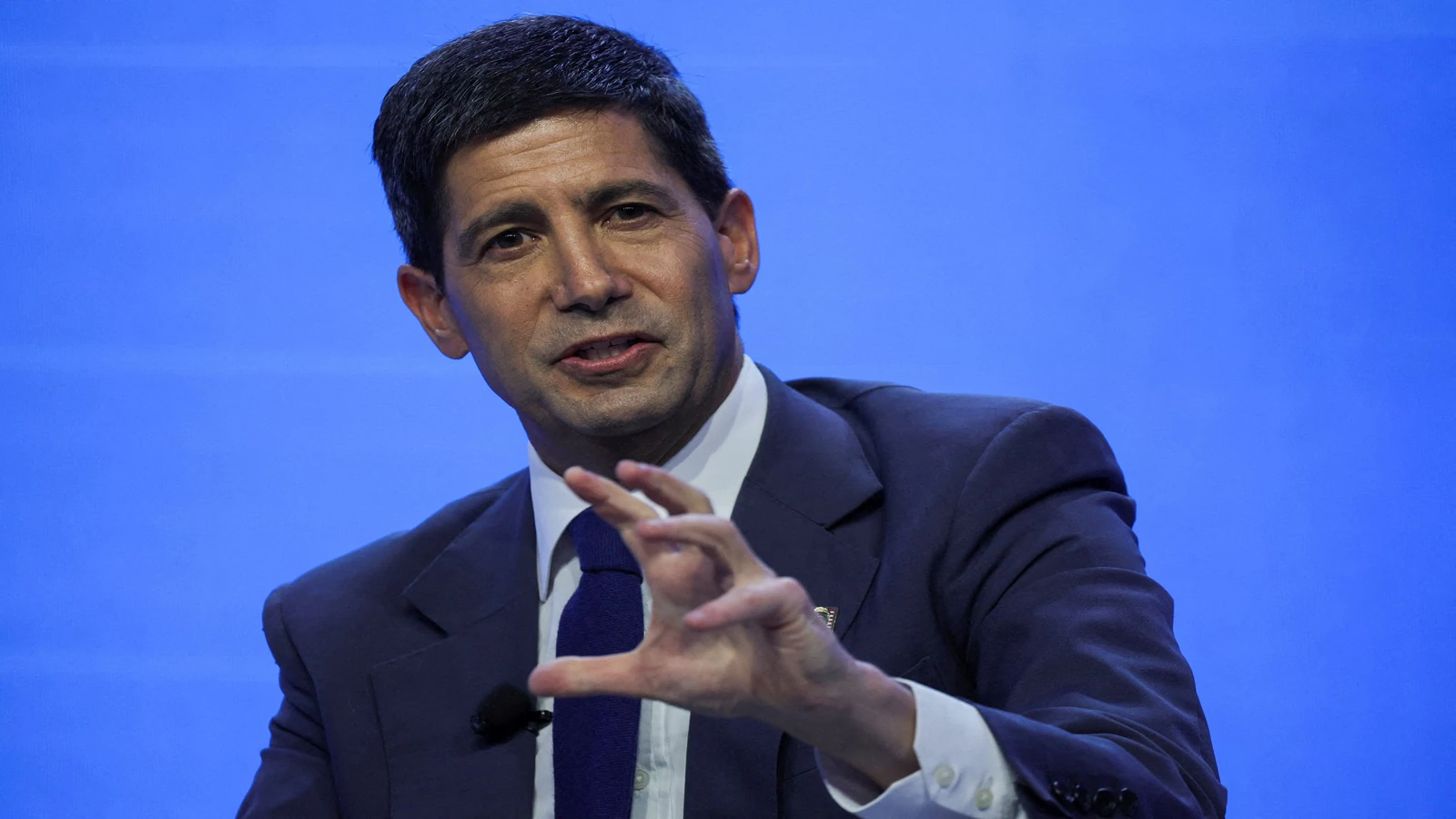
Federal Reserve Chairman Kevin Warsh has called artificial intelligence a ”hinge” of history critical to US leadership, but the technology has also become key to Fed policy as officials debate whether the AI boom is a transformational moment, a source of inflation, or the harbinger of an economic meltdown.
For Warsh, who calls himself ”cautiously optimistic” about what he refers to as ”super intelligence,” as President Donald Trump does, it may be an all-of-the-above dilemma that challenges the US central bank and his leadership of it.
”This is a serious test for Warsh,” Evercore ISI Vice Chairman Krishna Guha, a former New York Fed official, wrote after major US equity indexes closed last week in correction territory. They were dragged down by nervousness about AI’s ability to pay off and by unease over the scandal around AI chip giant Nvidia and the brief ouster of its CEO.
Recent inflation and growth data ”is too hot and too strong … But with growth dependent on AI investment and AI consumer net-worth effects, the Fed needs any weakening to remain contained,” Guha wrote. ”Warsh needs to balance the data with markets that suggest the forward look is cooler, and his desire to assert inflation credibility with his desire not to go down in history as the Fed chair who blew up the AI boom.”
After a run that saw a political backlash against AI, a market slump, a major initial public offering, a massive corporate scandal, and a seeming rebound from it all with equity markets again surging, Fed officials are expected to follow through with a quarter-percentage-point rate increase at their December 8-9 meeting.
Source link





