

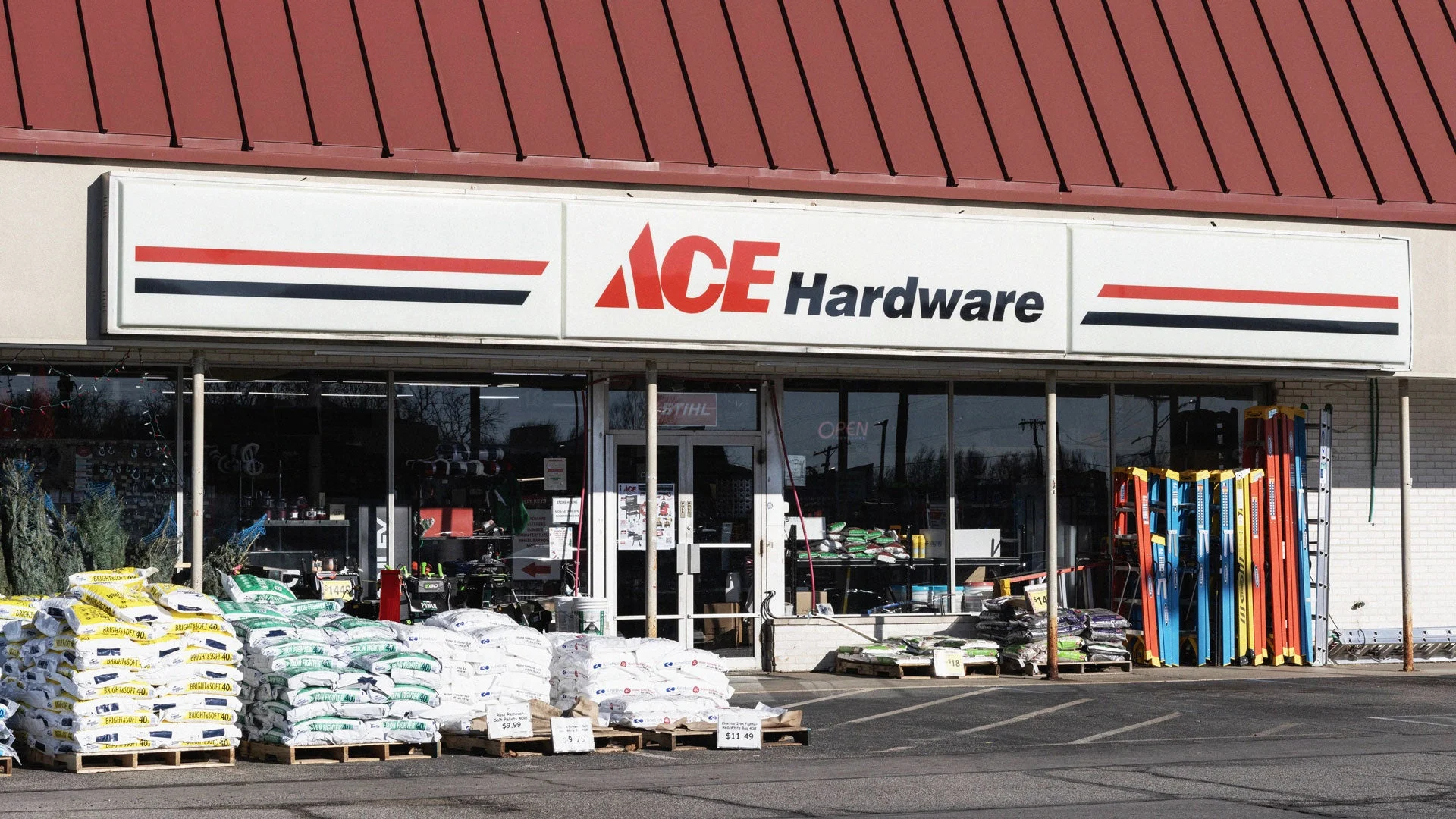
While Ace Hardware is celebrating record growth, some of its longest-standing stores are shutting their doors for good.
Like many traditional neighborhood hardware stores, Ace Hardware operates as a retailer-owned cooperative rather than a traditional franchise, meaning that each of its nearly 5,300 locations across all 50 states is independently owned and operated.
“Every Ace store is sized and stocked to best cater to the neighborhood that they serve,” Ace Hardware owner-operator Jeff Smith told Inc. “The stores have the flexibility to order from many sources, which helps to be more efficient, and keep up with customers’ ever-changing needs.”
Notably, many local owners lead with the name of their city, neighborhood, family, or a regional landmark before the official Ace Hardware name as a way to anchor themselves within the community. Others operate under long-standing local identities while still relying on the cooperative for back-end supply chains and inventory.
Christina Lindley, the founder and CEO of VPRG Consulting, a firm focused on revenue, partnerships, and customer acquisition, told Inc. that Ace providing shared resources across purchasing, distribution, marketing, training, and technology spares owners from having to build the infrastructure on their own.
“Its Instacart partnership is a useful example of how national scale can support local stores,” she said. “A neighborhood business can reach customers through a platform they already use without building its own delivery marketplace.”
However, Lindley also noted the challenges that come with independence. Staffing, inventory, cash reserves, and succession planning all rest heavily on the individual operator.
Source link





