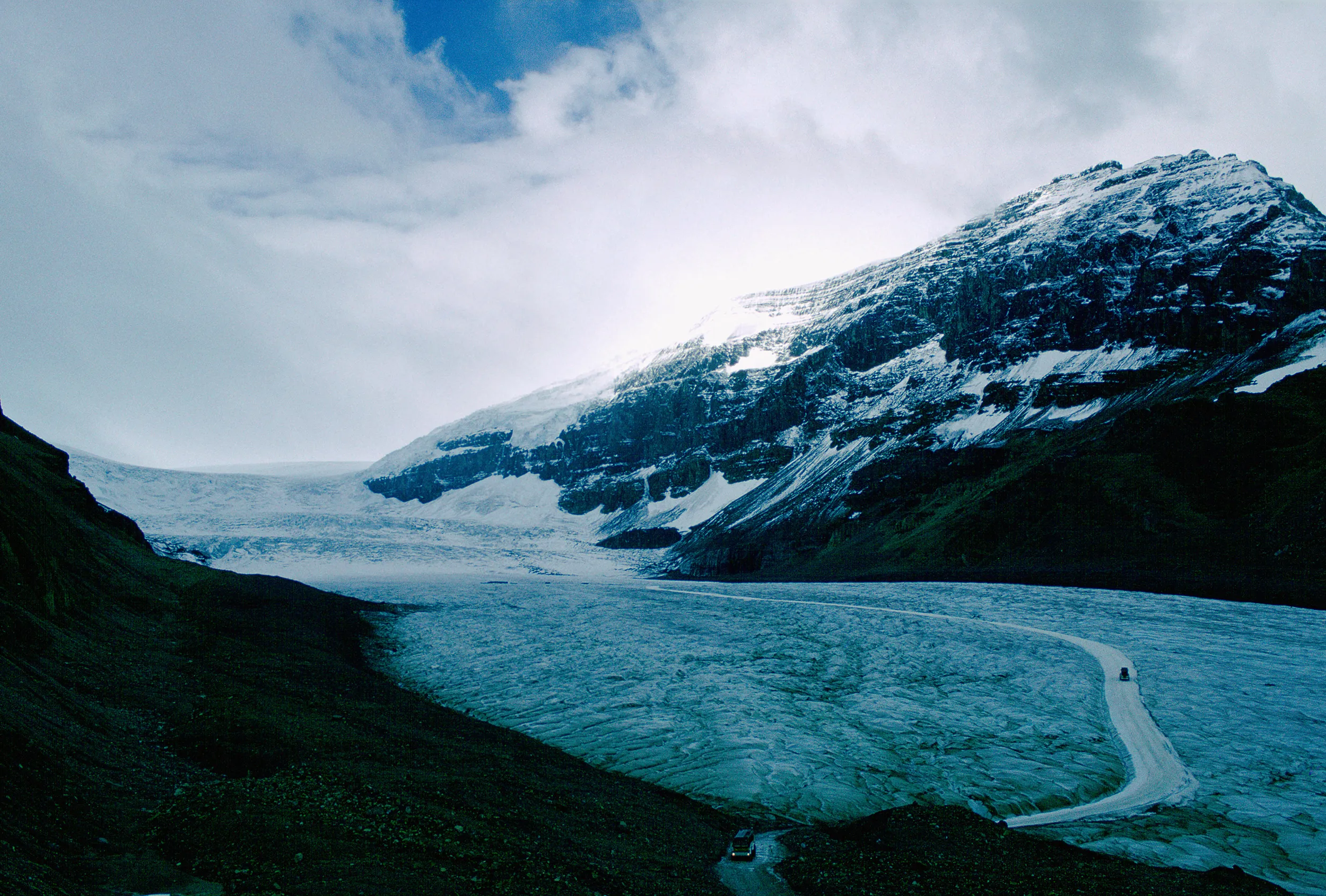
Burning fossil fuels may have stopped the Earth from entering another ice age, a new study suggests. The research, published Thursday in the journal Science, uses samples of ancient vegetation and rock records to analyze the growth—and sudden retreat—of an ice cap that is the last vestige of an ice sheet that once covered much of North America.
The findings shows the Barnes Ice Cap, which covers parts of Canada’s Baffin Island, started growing a few thousand years ago before rapidly reversing course beginning in the 1960s as carbon pollution ramped up.
“A question that’s in the popular consciousness is, have we caused enough global warming to stop the next ice age from happening?” says Andrew Wickert, an associate professor of environmental science at the University of Minnesota Twin Cities, who was not involved in the research. The new research shows that “even as we were just starting to ramp up emissions, we’ve already done enough damage to cause the major North American ice sheet to already start retreating. That’s significant.”
The planet regularly goes through phases where ice extends down from the high latitudes—what we colloquially call "ice ages"—due to natural shifts in the Earth's rotation and orbit, known as Milankovitch Cycles. Those are followed by interglacial periods where ice retreats toward the poles.
The last ice age ended 12,000 years ago. At its peak, what's known as the Laurentide Ice Sheet covered all of Canada and extended as far south as New York and the Midwest.
Source link