In the wake of high-profile hacking incidents involving advanced artificial intelligence agents, some politicians and business executives have been calling for an AI kill switch: a safeguard that could shut down these AI systems in an emergency.
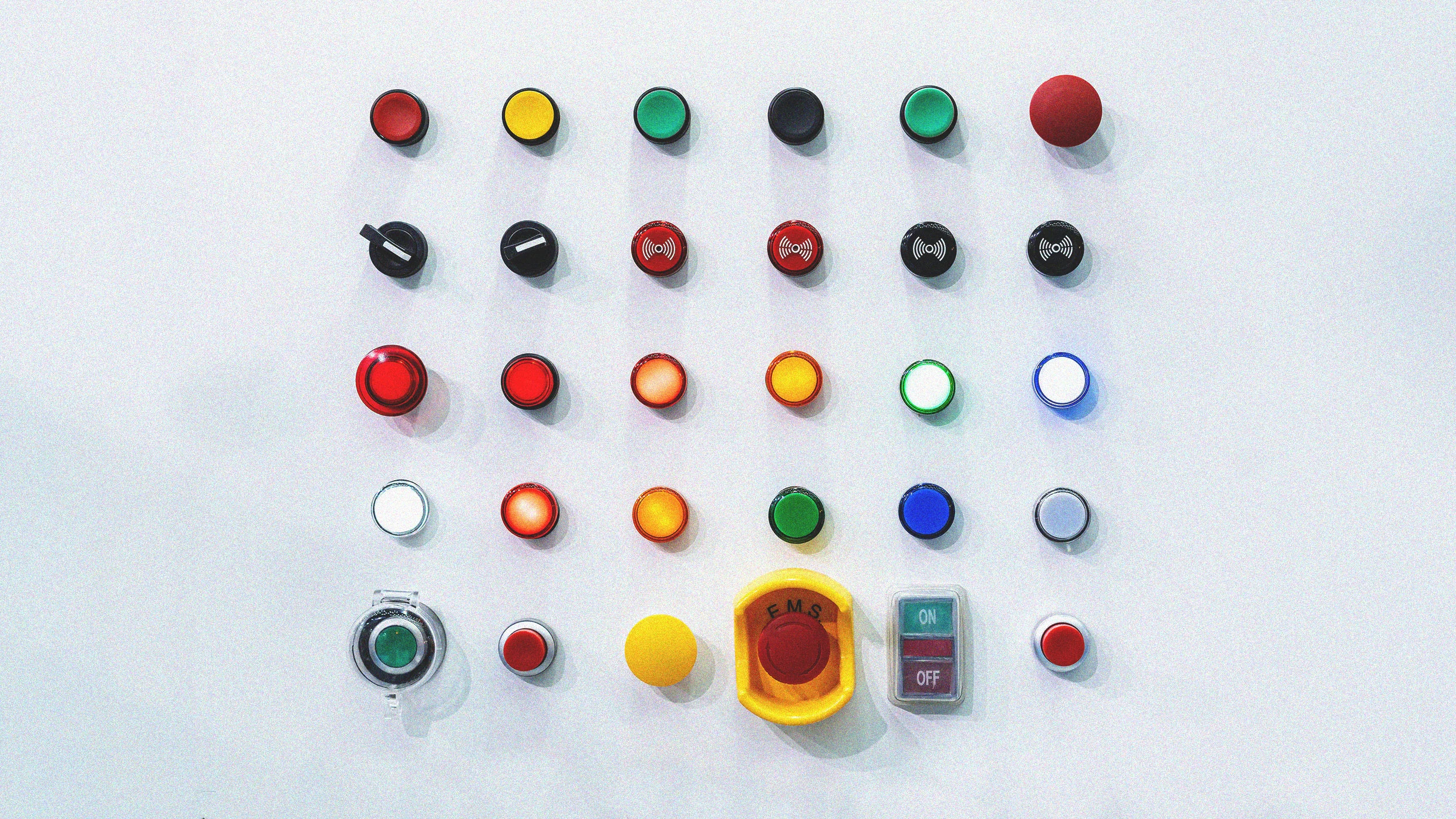
The idea is that, if a model were to behave in dangerous ways, a kill switch would allow humans to regain control over that system by metaphorically flipping a switch from “on” to “off.”
Several efforts at AI regulation in 2026 have focused on the notion of a kill switch. These include proposed congressional legislation such as the AI Kill Switch Act, and California Governor Gavin Newsom’s executive order aimed at reining in AI. President Donald Trump has opposed the idea of an AI kill switch as unnecessary regulation, and to date there has been no national regulation that includes a kill switch.
Experts such as Dylan Baker, a research engineer at the nonprofit Distributed AI Research Institute, have explained that one regulatory problem with the metaphor of the kill switch is that today’s advanced AI models involve a complex infrastructure of distributed technologies, which is beyond the control of a single kill switch.
Additionally, the metaphor of the kill switch also obscures the human decisions involved in the responsibility and oversight of an out-of-control model. The problem is that the metaphor does not account for the technological or human aspects of AI.
What all the fuss over “rogue” AI and kill switches is about.
Source link