
If you stop to think about it, archaeologists and coroners have a lot in common—they both seek to identify who died, when, and how. Indeed, modern forensics is surprisingly useful for studying the past—including an apparent murder case from thousands of years ago.
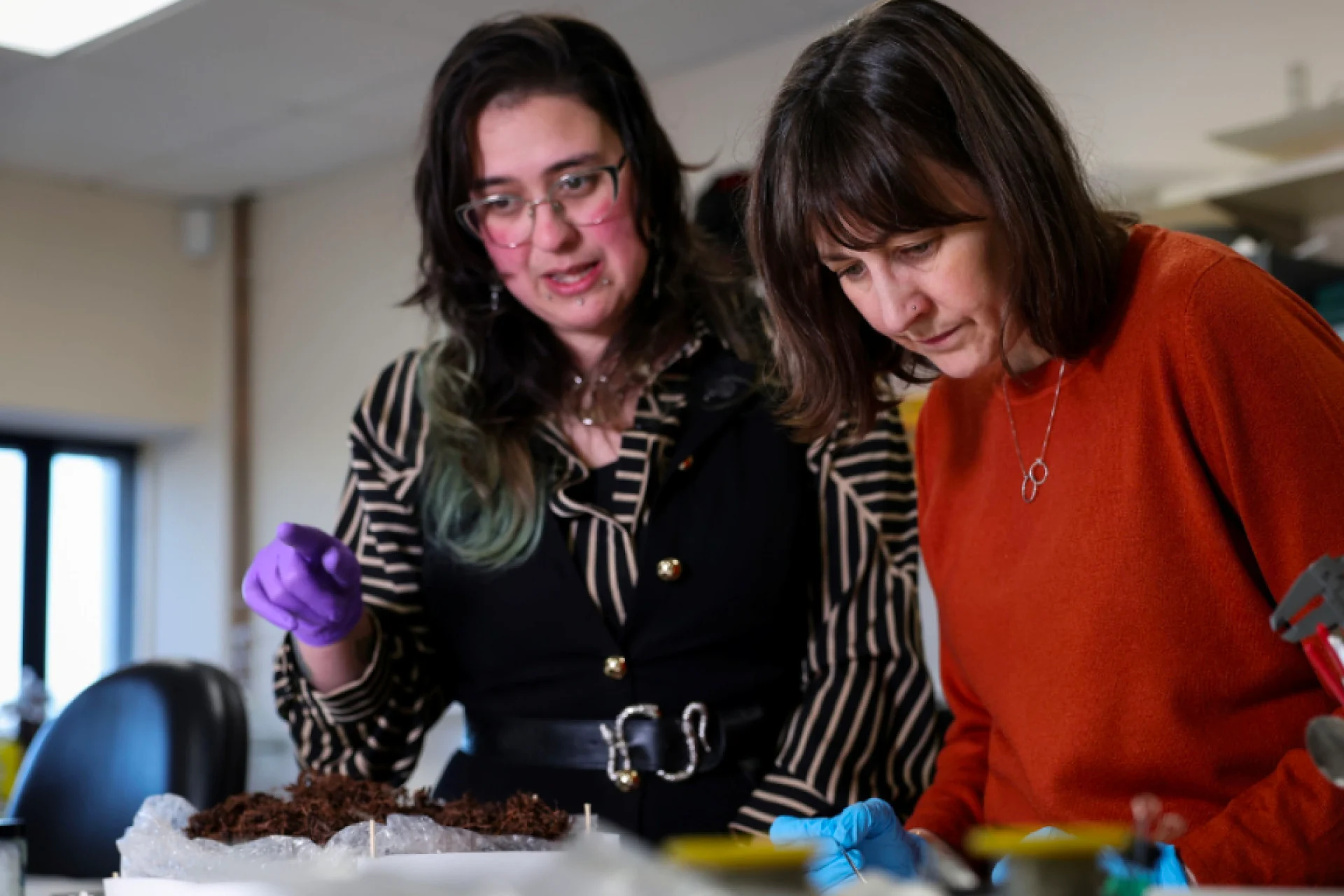
In partnership with the Police Service of Northern Ireland, the Ulster Museum in the U.K. “reopened” investigations into the remains of an Iron Age individual known as the Ballymacombs More Woman. The analysis wasn’t an official inquest but part of an outreach program to present archaeological findings within the context of a “public hearing,” according to a statement from the museum.
The collaboration revealed that the woman, who lived around 2,000 years ago, was between 15 and 22 years old when she died. She was likely beheaded from behind with a bladed weapon. This marks the first time a museum has officially conducted a coroner’s investigation for a prehistoric individual, Hannah Crowdy, Head of Curatorial at National Museums NI, told BBC News.
“Ballymacombs More Woman was once a person, just like us,” Crowdy said in the Ulster statement. “What we have learned from this detailed research has allowed us to share her story with clarity and confidence.”
The Police Service’s archaeological unit first examined the remains after a civilian reported finding them near Bellaghy, Northern Ireland, in October 2023. Preliminary investigations by the police archaeological unit posited that the remains belonged to a male aged between 13 and 17 years old, according to a 2024 statement from the National Museums NI.
Source link





