China-based researchers have introduced a new eco-friendly method to extract valuable silver from retired solar panels without using toxic acids.
The process dips solar cells into a molten mixture of sodium and potassium hydroxide salts. This molten salt weakens the coating on the silicon panel, allowing the silver wires to peel off intact as pure metal.
Ningxia University researchers recovered up to 97% of the silver while limiting damage to the underlying silicon wafer to just 2.6%.
“These findings clarify the mechanisms of acid-free, low-loss precious-metal recovery from crystalline silicon photovoltaic materials,” the team noted in the study paper.
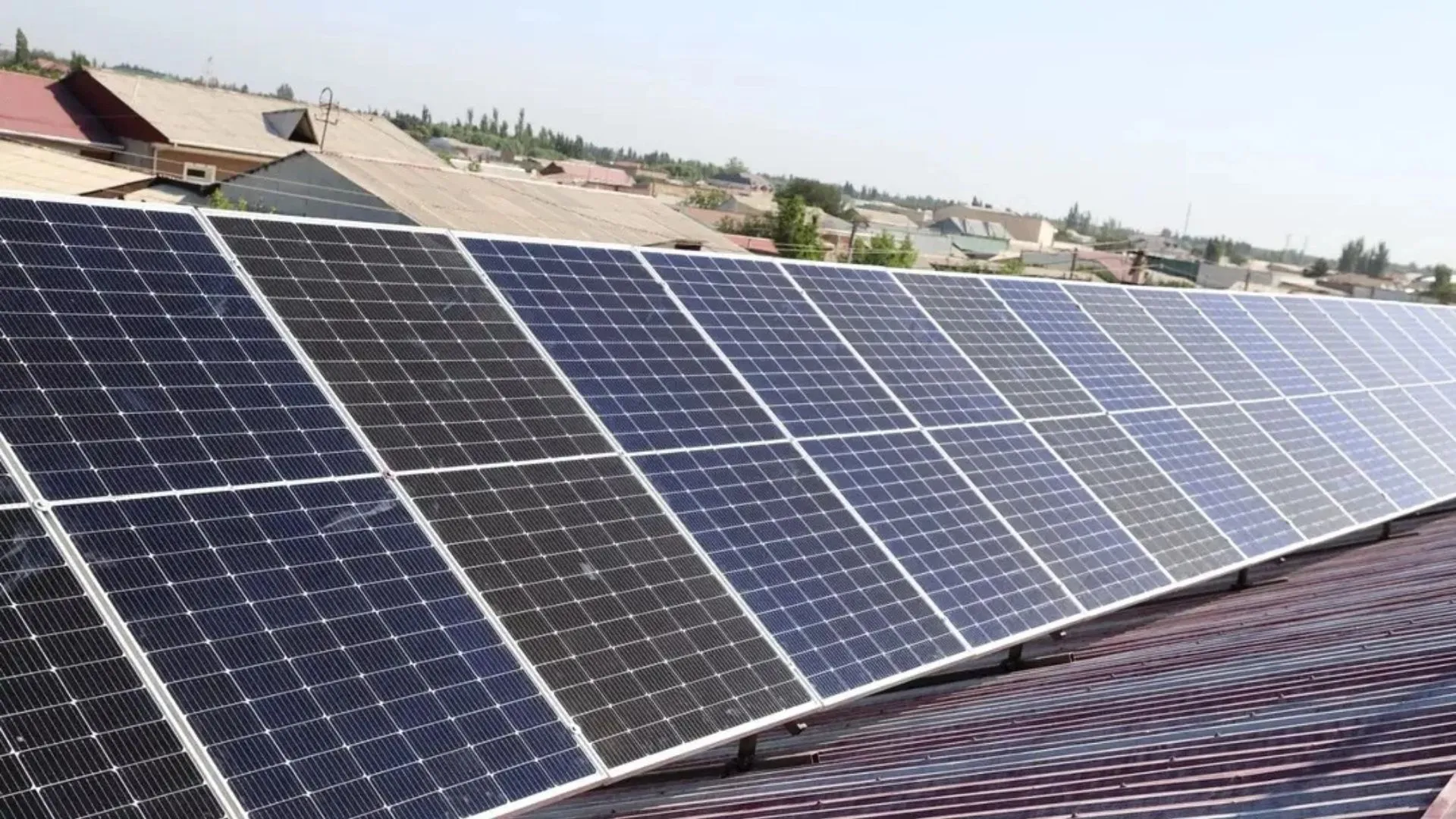
The first generation of commercial solar panels is reaching the end of its 25- to 30-year lifespan. The aging infrastructure is a major trash problem, but also a massive treasure hunt.
Silver accounts for less than 0.03% of a retired solar panel’s weight, but it drives nearly half of its monetary value. Recovering that precious metal hasn’t been eco-friendly.
A Chinese team designed a cleaner alternative. The new laboratory-scale method uses a molten mixture of sodium hydroxide and potassium hydroxide to pop silver wires off dead solar cells.
Usual solar recycling uses acid leaching. Nitric acid dissolves solid silver into silver ions, leaving recyclers with toxic nitrogen oxide emissions, acidic wastewater streams, and a complex chemical recovery process. The molten salt strategy skips that chemical detour entirely.
The hot salt bath targets the solar cell’s silicon nitride (SiNx) passivation layer rather than dissolving the metal directly. It etches the layer, weakens the adhesive bond at the interface, and lets intact metallic silver wires slide off.
Source link