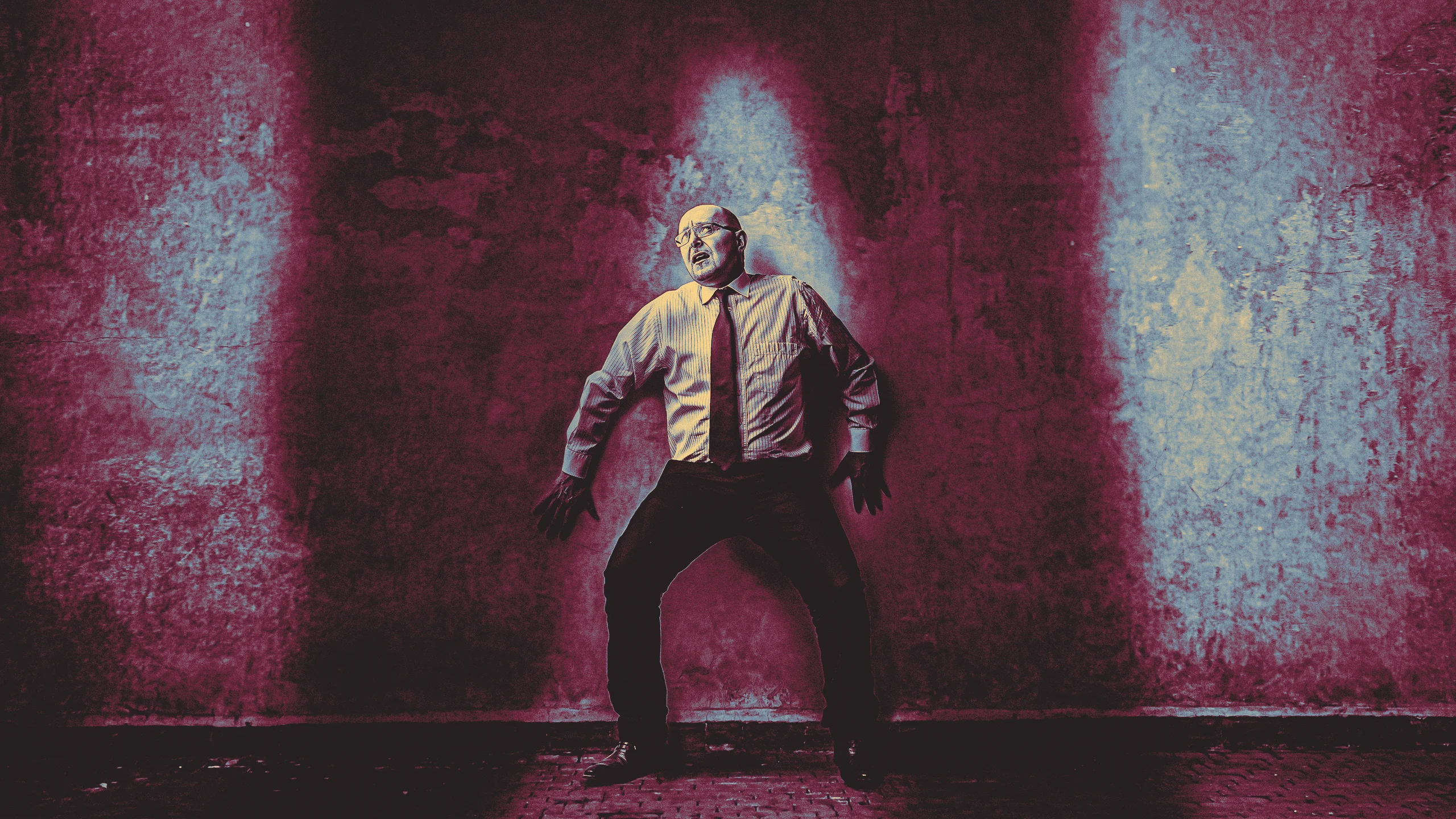
When I’m teaching MBA students or executives or when I’m working in my role as an adviser to family-owned enterprises, I spend enormous energy looking for evidence of an emotion people try to hide. That emotion is fear.
Humans underestimate how much fear drives our behavior. We’re familiar with the “fight or flight” response that helped our prehistoric ancestors survive in a dangerous world, but we fail to appreciate how much this evolutionary imperative lives on within our biology—and how much it drives our behavior at work.
Over many years watching how fear shapes behavior within organizations, I’ve identified six common forms it can take. If the six forms were put into a Venn diagram, you’d see substantial overlap. Although people are sometimes driven primarily by one type of fear, more often these forces mix together, overlap, and reinforce each other.
People prefer not to talk about their fears. It makes them feel uncomfortable, weak, or vulnerable. We think of courage or bravery as virtues, and fear signifies the opposite. It’s not surprising we work hard to conceal it.
That’s a problem. To manage and lead people effectively, you need to understand what’s motivating them. When we pretend fear doesn’t exist, we’re neglecting to recognize a primary driver of our behaviors. The more openly we can learn to talk about our fears—and encourage those around us to do the same—the more likely we’ll be to create environments where people can do their best work and be happier while they do it.
Source link