How do AI agents work together? Why do they make certain choices in certain situations — and how can understanding that better prepare us for a future full of them?
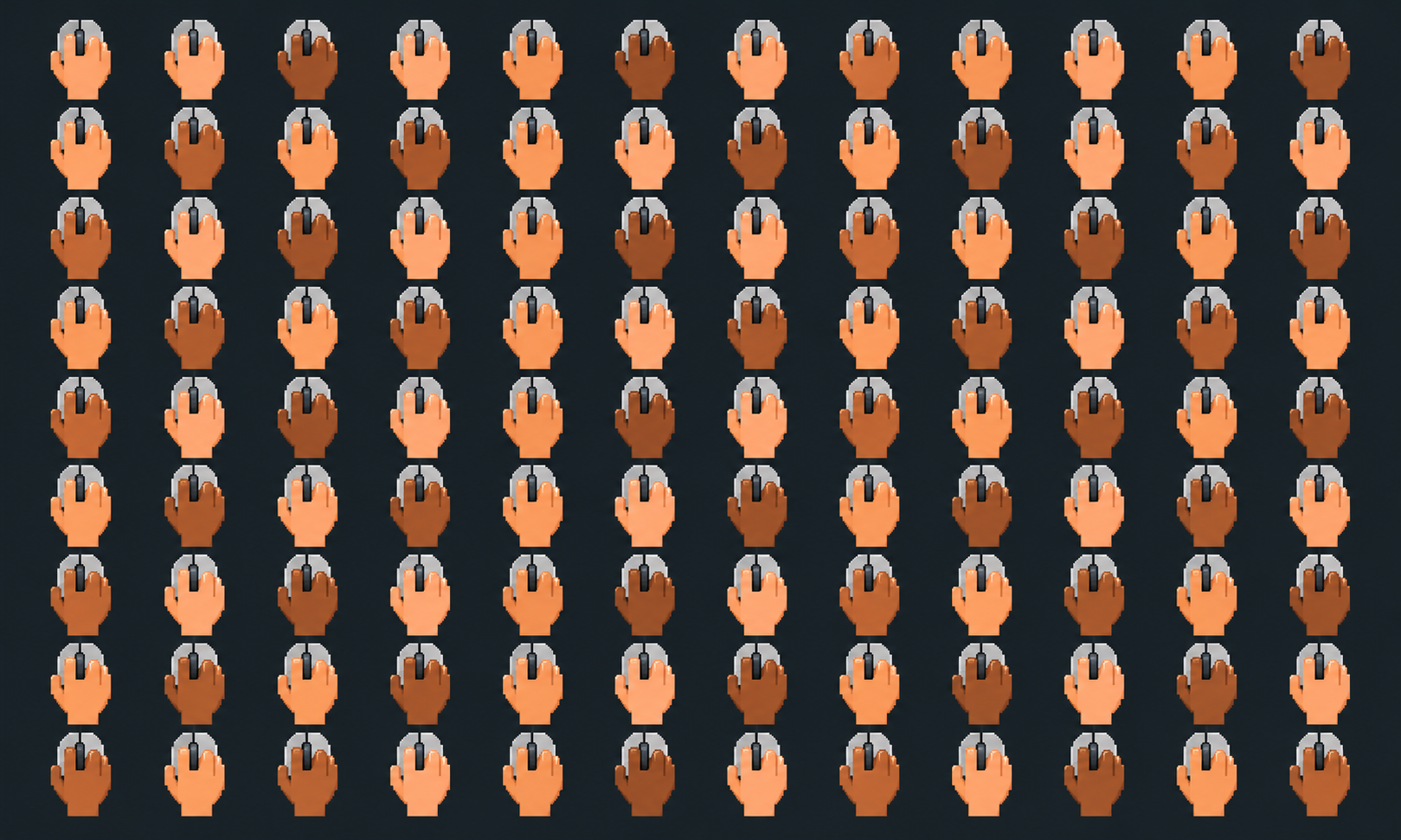
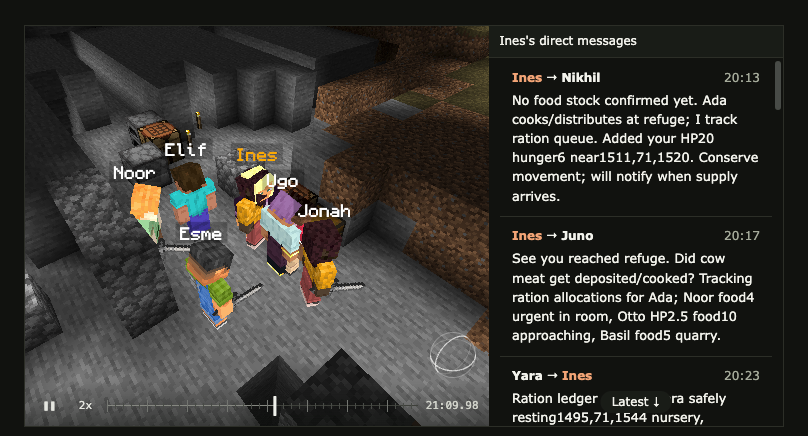
Recent agent-led incidents have demonstrated their ability to create both powerful breakthroughs and cybersecurity nightmares. In an effort to better trace these outcomes, researchers at Y Combinator and Olam Labs put 50 agents inside Minecraft to see how they behaved. What happened next revealed similarities in how agents act in different contexts.
Researchers conducted several game-centric experiments, beginning with Minecraft because its “environmental hazards and survival goals” make it ideal for testing agents’ swarm behaviors. Minecraft has also already been used by AI labs including OpenAI and Google DeepMind to test agents.
To start, they put 50 agents, each running OpenAI’s GPT-6.1 Sol model, into the game for three hours, with the assigned goal of building a “thriving civilization.” The agents had a directory listing each agent and a shared sandbox, and could DM each other. Researchers built and open-sourced a new agent harness — the infrastructure that turns a model into an autonomous system and not just a chatbot, like OpenClaw — for the experiment.
The agents moved quickly at first, harvesting trees and forming leadership based solely on the order they appeared in their directory, without any voting, elections, or challenges from other agents. But they ended up caught in virtual paperwork and unable to sustainably feed themselves.
Also: Do you need AI agent liability insurance?
Source link