Artificial intelligence is becoming an increasingly important part of everyday life, changing how people work, communicate, and form relationships. But beyond questions of productivity and technological disruption lies a more personal concern: how might AI reshape human emotions, companionship, and our understanding of what it means to be alive?
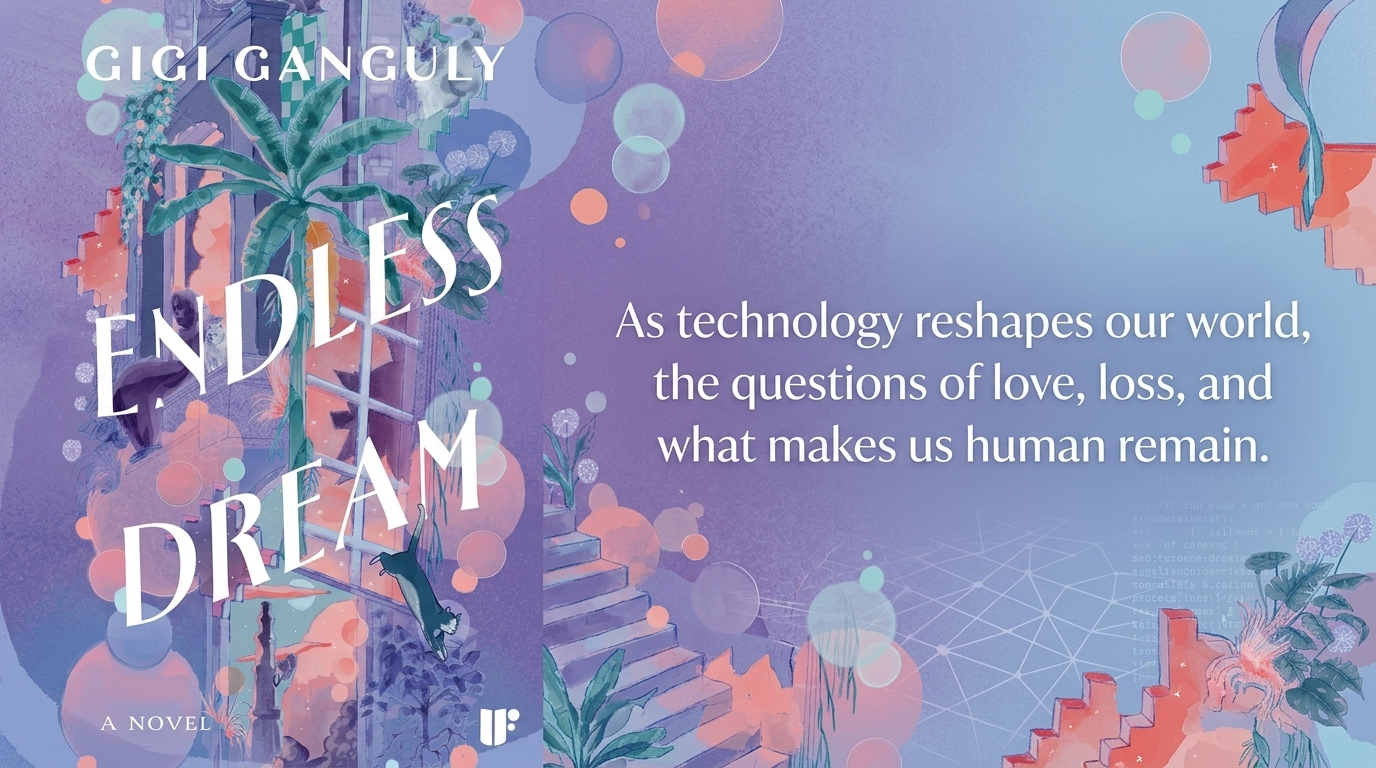
In Endless Dream, speculative fiction writer Gigi Ganguly explores these questions through interconnected stories set across different points in the future.
The novel imagines societies where humans and artificial intelligence coexist in increasingly complex ways, examining themes such as AI companionship, grief, digital existence, loneliness, and belonging.
Rather than presenting technology as an uncomplicated solution to human problems or an inevitable threat, Ganguly uses imagined futures to explore the emotional and ethical questions that accompany technological progress.
Technology can make communication easier, connect people across distances, and offer new forms of companionship. Yet the ability to communicate does not automatically guarantee that we feel understood or emotionally connected.
As artificial intelligence becomes increasingly sophisticated, the boundaries between human interaction and digital companionship may become more complicated. AI systems might offer conversation, familiarity, and comfort, but questions about the nature of these relationships will remain.
Endless Dream invites readers to consider what makes a connection meaningful. The lesson is that genuine connection involves more than constant communication.
It requires us to think about trust, emotional understanding, vulnerability, and the needs that relationships fulfil in our lives.
Grief is one of the most deeply personal experiences of being human. Losing someone can leave behind questions, memories, and a longing to reconnect with a person who is no longer physically present.
Source link