
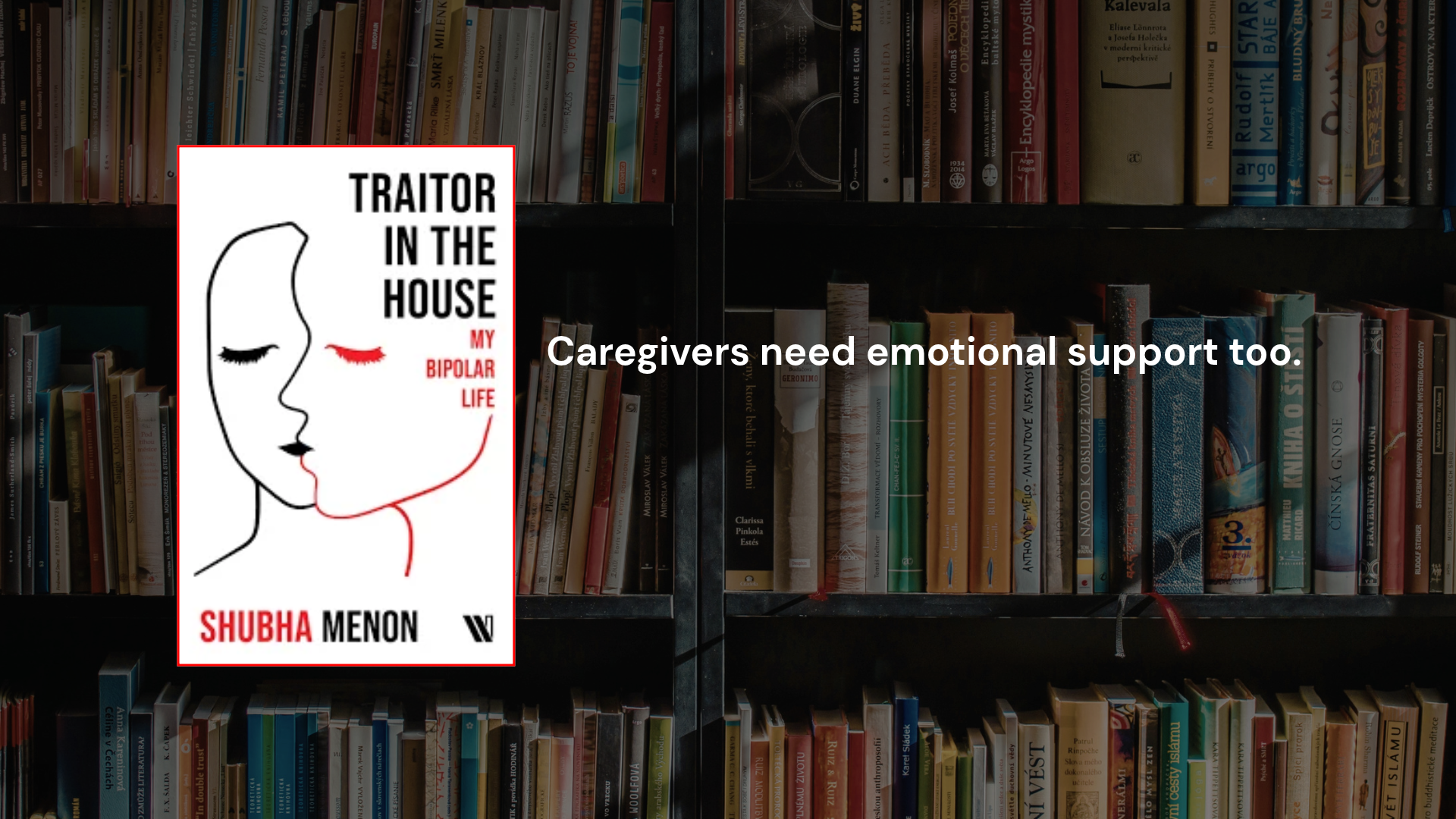
Traitor in the House: My Bipolar Life by Shubha Menon is a deeply personal memoir about growing up in a family affected by bipolar disorder. Through experiences of childhood trauma, caregiving, denial and eventual diagnosis, Menon explores how untreated mental illness can shape relationships and affect generations.
The book moves beyond the experiences of one individual to examine the emotional realities of families living with mental health challenges. It also explores how understanding, acceptance and self-awareness can help people confront painful experiences.
One of the most important lessons from the memoir is that mental illness should never be treated as a personal failure or a character flaw. Through her mother's experiences with bipolar disorder, Menon shows how a lack of awareness and understanding can make an already difficult situation more painful for an entire family.
The book highlights the importance of recognising mental health conditions, seeking professional help and replacing judgement with compassion.
Lesson: Understanding someone's struggles is the first step towards treating them with empathy rather than blame.
The experiences we have during childhood can influence how we think, behave and build relationships as adults. Menon reflects on growing up in an unpredictable family environment and how those experiences affected her sense of safety and emotional well-being.
The memoir demonstrates that painful childhood memories do not simply disappear with age. They can influence how people respond to stress, relationships and difficult situations later in life.
Lesson: Acknowledging childhood trauma is important because healing often begins with understanding how the past has shaped the present.
Source link





