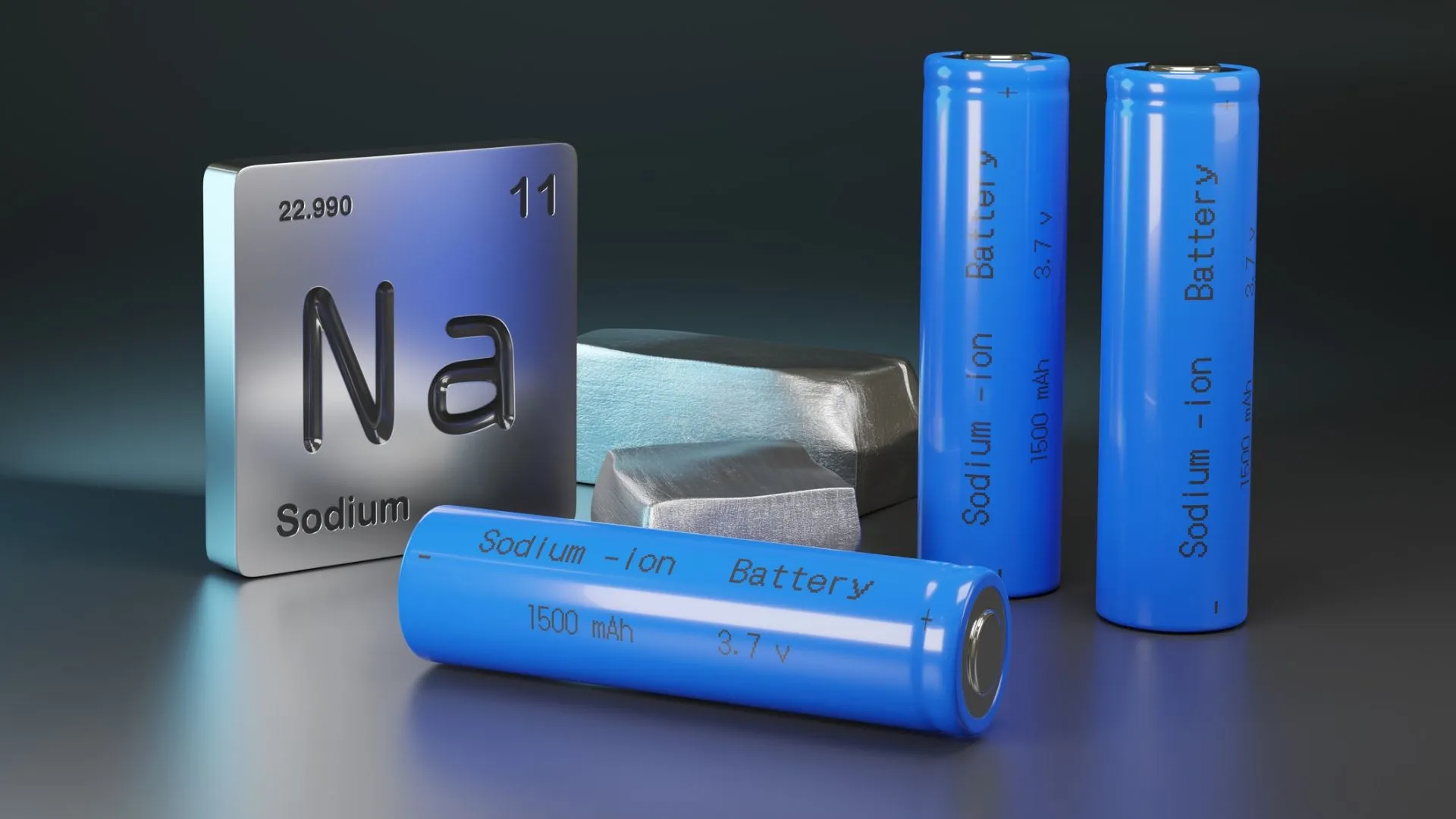
Researchers at the the University of Surrey have developed a library of 28 materials to help identify better candidates for building sodium-ion batteries.
The repository could help find alternative materials to replace the conventional lithium-ion batteries that are made from scarce resources.
”We rely heavily on lithium-ion batteries, but lithium resources are relatively scarce and unevenly distributed around the world,” said Daniel Commandeur, lecturer at the School of Chemistry and Chemical Engineering and corresponding author of the study.
He noted that sodium-ion batteries are emerging as a robust alternative; however, it need further analysis to improve their performance over repeated charging cycles and the amount of energy they can hold.
”Sodium is far more abundant, making sodium-ion batteries an important technology to develop,” Commandeur added.
The team explored how modifying the chemical composition of sodium manganese oxide could improve its performance as a cathode. This key battery component determines how much energy a battery can store and how efficiently it operates.
During the investigation, they created a library composed of 28 different metal compositions and compared their performance in sodium-ion batteries. The collection was made by replacing the manganese with varying amounts of different metals, including iron, titanium, and vanadium.
Iron boosted energy-storage capacity, vanadium improved cycling stability, and small amounts of titanium enhanced high-rate performance. Some titanium-containing materials retained over 90% of their capacity after 100 charge-discharge cycles, the study found.
The team agreed that a major hurdle is finding a material that delivers the optimum performance.
Source link