
After years of shipping valuable battery waste abroad and paying a steep strategic price to buy back the refined metals, Europe is reclaiming its supply chain.
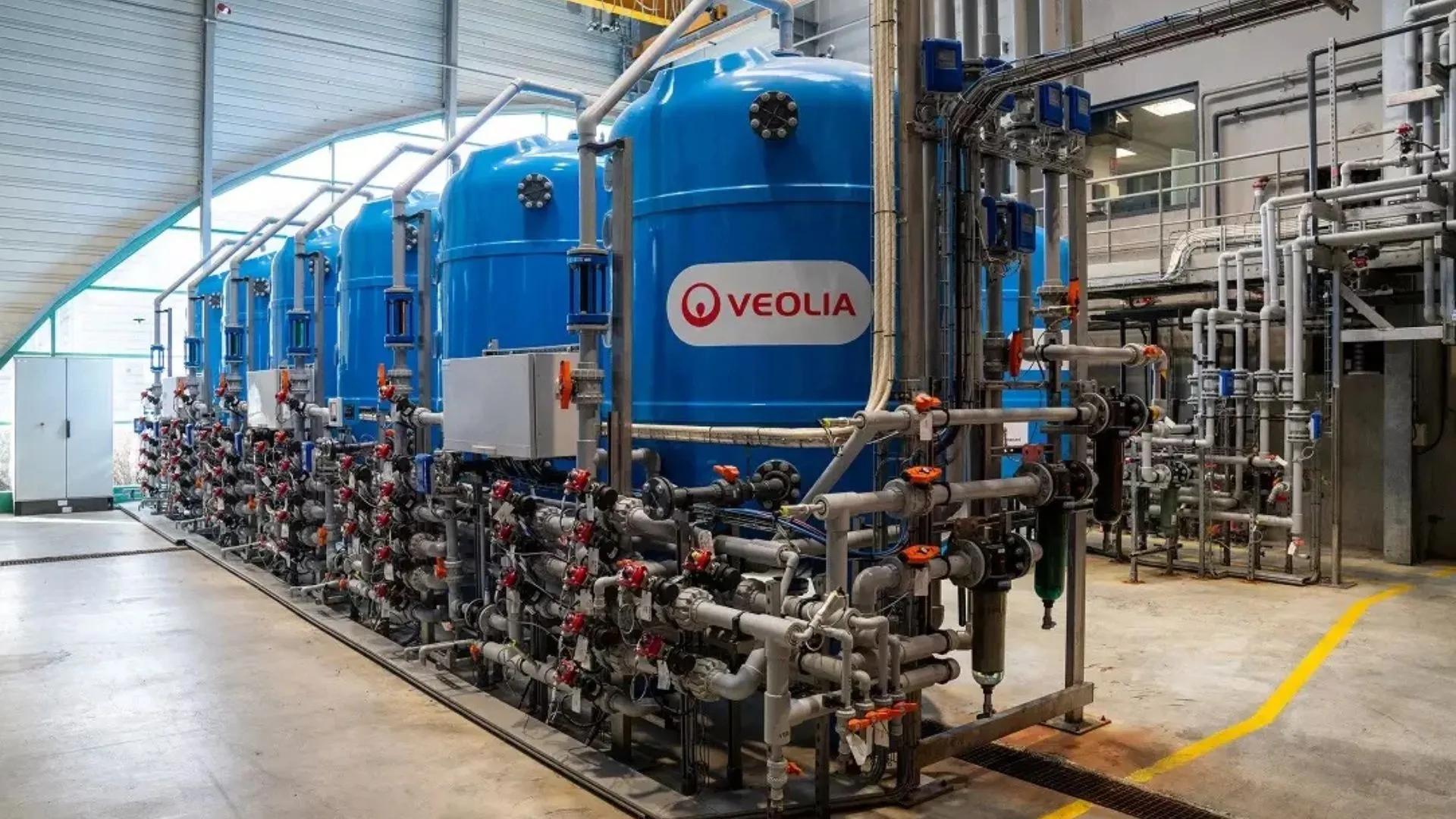
French environmental giant Veolia has launched a battery recycling facility in France’s Grand Est region to keep valuable raw materials on European soil.
“For too long, Europe has watched its strategic raw materials leave the continent, only to import finished products from elsewhere,” said Stéphane Séjourné, Executive Vice President of the European Commission.
“We must break free from this cycle of dependency. This new plant in the Grand Est region is ‘Made in Europe’ in action: resources recycled in Europe, processed in Europe, to power our batteries in Europe.”
Electric vehicle batteries contain plastics, solvents, and critical metals like lithium, cobalt, copper, manganese, and nickel. Mining these scarce minerals is geographically concentrated, which often creates supply tensions.
The new site will look into dark, granular powder known as “black mass,” the shredded remains of spent batteries.
Currently, intense foreign competition drives massive exports of this material to Asia for processing. Veolia’s facility uses proprietary hydrometallurgy technology to interrupt that outflow, extracting more than 90 percent of the cobalt, nickel, and copper trapped inside the powder.
Conventional smelting, known as pyrometallurgy, demands extreme heat, consumes massive amounts of energy, and yields lower-purity metals. Veolia’s chemical-based process operates at far lower temperatures and uses much less power. This gentle approach extracts battery-grade minerals ready for immediate reuse in European manufacturing.
Source link





