An AI chatbot can give you a bad answer. An AI system controlling an aircraft, vehicle, or robot can create an entirely different kind of problem. When artificial intelligence moves into the physical world, a mistake can ground an aircraft, cause a vehicle crash, or compromise a mission. So how do you know when an autonomous system is actually ready to leave the lab?
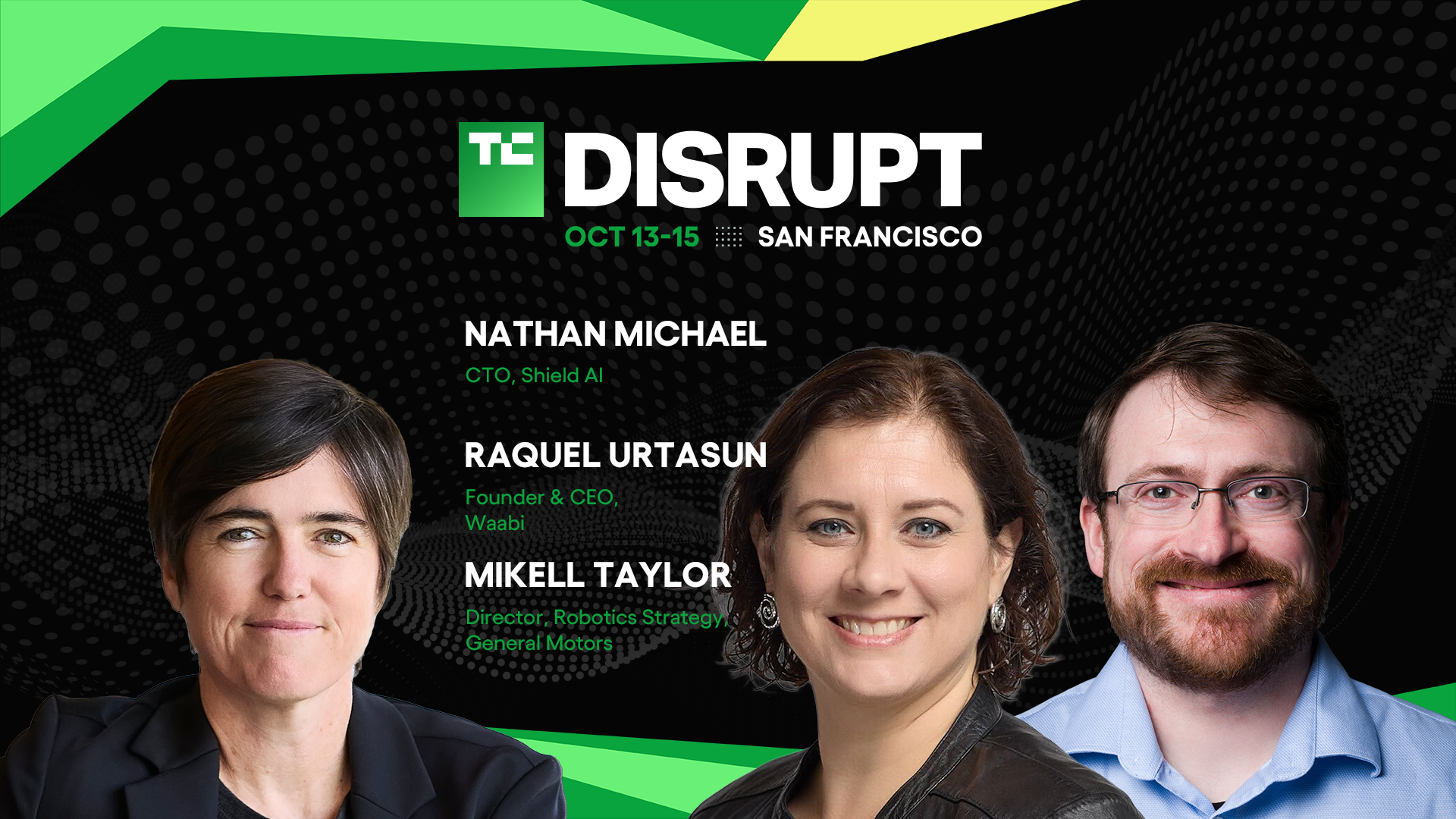
At TechCrunch Disrupt 2026, Shield AI’s chief technology officer Nathan Michael, Waabi founder and CEO Raquel Urtasun, and General Motors’ Director of Robotics Strategy Mikell Taylor will tackle that question on the Real World AI Stage in “Building AI Systems When Failure Is Not an Option.”
The conversation will get into the work behind deploying AI where the stakes are high: creating a safety culture, testing and validating systems, navigating regulatory hurdles, and earning trust.
Building AI for the physical world? Tomorrow is the last day to save up to $200 on your Disrupt pass. Secure your ticket by September 25 at 11:59 p.m. PT and hear from three leaders working where failure has real-world consequences. Prices will increase after September 25 at 11:59 p.m. PT.
At Shield AI, Nathan Michael leads the development and deployment of Hivemind, the company’s platform-agnostic mission autonomy software. His background spans AI, control, perception, and multi-robot systems, including years at Carnegie Mellon University’s Robotics Institute, where he directed the Resilient Intelligent Systems Lab.
That expertise is being put to work on technology designed for some of AI’s highest-stakes environments.
Source link