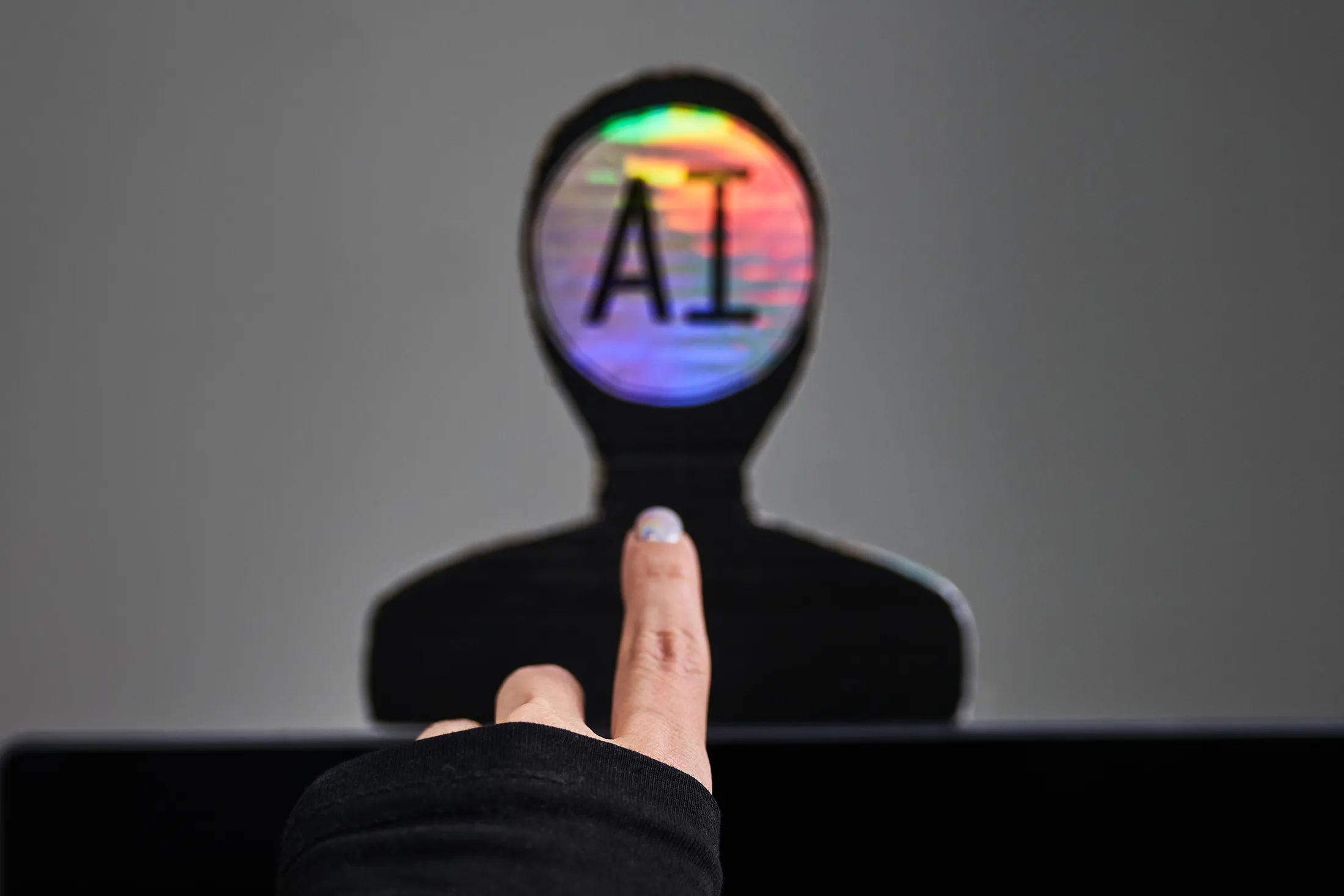
AEO and GEO are chapter one, but the next big shift is evolving further down the purchase funnel
When most people hear “AI marketing,” they think of using AI to do marketing. This may mean writing copy faster, generating ad creative, automating outbound sequences, etc. That’s useful and has a huge impact on how marketers approach their jobs, but it’s not what I’m talking about.
I’m talking about marketing to AI. Specifically, to the agents that are starting to shop on behalf of people.
The first wave of AI search optimization (AEO, GEO, AIO, pick your acronym) was built around one shape of AI: the chatbot or answer engine. A shopper asks a question, an LLM writes an answer, and somewhere in that answer your brand shows up, or it doesn’t.
That framing got a lot right, but it is still largely rooted in how we think about traditional search, the only real difference being the shift from keywords to questions. That said, it has sparked a new discipline within marketing, one where many brands are tracking and investing energy in understanding how AI models read their site and content, which sources AI cites when answering brand-relevant questions, and how they stack up against competitors across LLM responses.
All of this is important, but just the tip of the iceberg. What marketers need to do next is evolve their GEO strategies to not only ensure their brand appears in the first answer, but also to ensure that as a shopper travels through the full buyer’s journey within the same AI search conversation, their products and services remain relevant and ultimately win the customer decision .
Source link