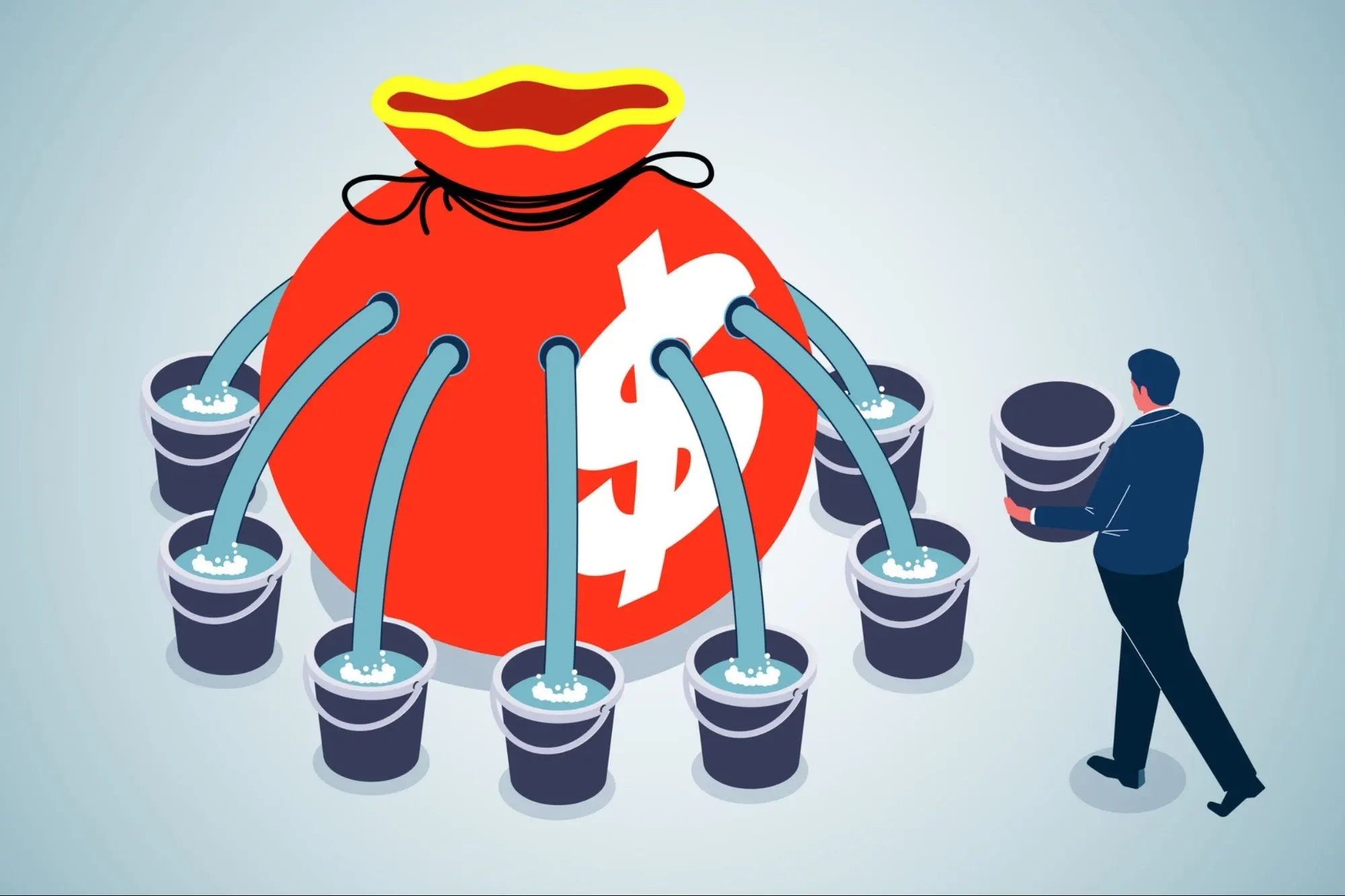
Cash flow problems are often symptoms of deeper issues with pricing, profitability, collections, expenses or operations, making accurate diagnosis essential before choosing a solution.
A few months after I started working with an entrepreneur I’ll call Virginia, I discovered something in her financials that stopped me cold. Her company had been operating for four years, and during that entire time, it had never generated positive operating cash flow.
Virginia didn’t seem to know that until I told her. The business had been borrowing money to keep itself running, and by the time I came in, the balance sheet was carrying significant debt. Then the pressure got worse. Within six months, the company lost roughly $750,000 in corporate sponsorship as funding for diversity, equity and inclusion initiatives dried up.
From the outside, you could have called this a cash flow problem. That description wouldn’t have told us much. I needed to understand what had been happening inside the business for years before the cash crunch became impossible to ignore. That meant digging into the financials and asking a more useful question: What was the cash flow trying to tell us?
If you’ve ever gone to a doctor because you weren’t feeling well, you know the first conversation is about diagnosis. A headache can have dozens of different causes, and prescribing medication before understanding the underlying issue may provide temporary relief without solving the real problem. Cash flow works much the same way. The bank balance tells you something is wrong.
Source link