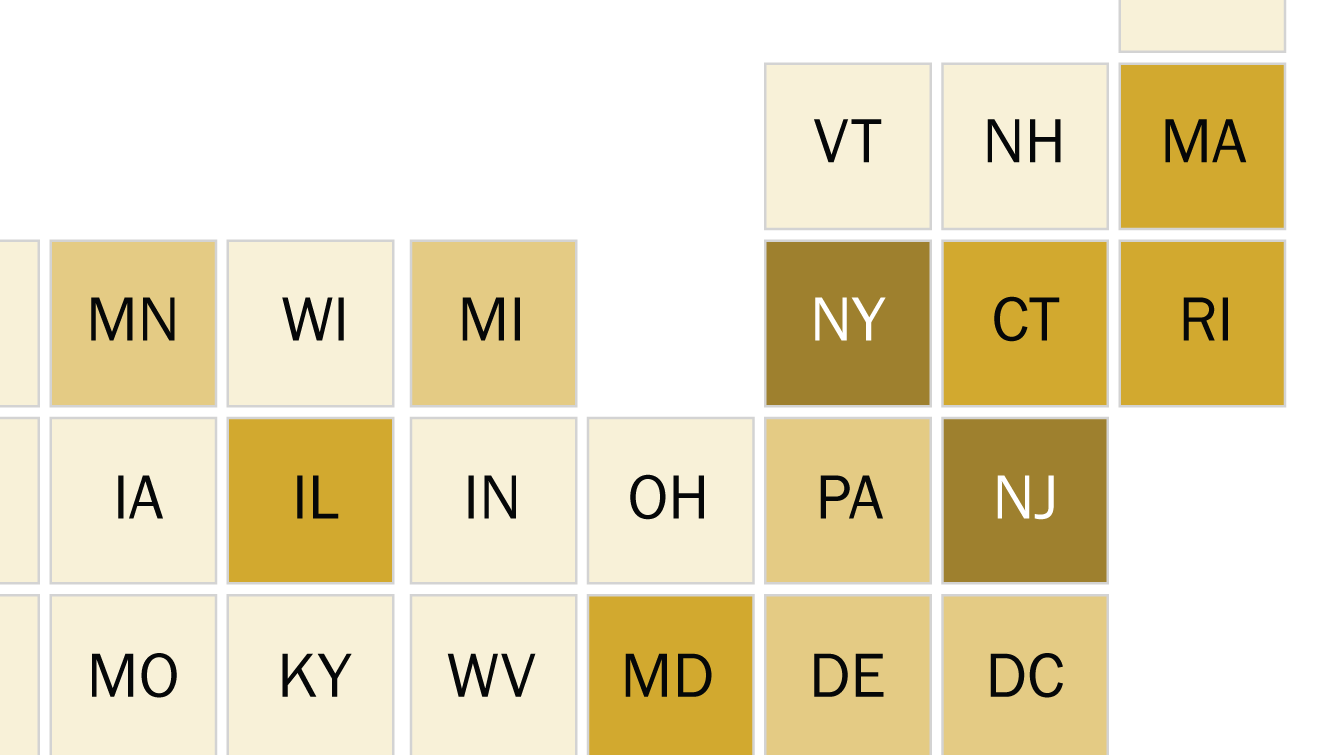
An estimated 250 million people in the United States are eligible to vote in this year’s midterm elections. Around one-in-ten of them – or 25 million – are naturalized citizens, according to a Pew Research Center analysis of U.S. Census Bureau data.
Naturalized citizens are people who were born outside the U.S. and gained American citizenship through naturalization. They are generally eligible to vote if they are at least 18 years old, as is the case with people born in the U.S. and those born abroad to American parents.
The number of naturalized citizens who are eligible to vote more than doubled from 2000 to 2024 (the most recent year for which data is available). That is much larger than the increase in the total eligible voter population during that time period. In 2000, approximately 12 million people – about 6.2% of all eligible voters that year – were naturalized citizens.
In this analysis, we’ll answer some common questions about eligible voters who are naturalized citizens.
Eligible voters are people ages 18 and older who are U.S. citizens and live in the 50 states and the District of Columbia. In this analysis, naturalized citizen eligible voters (sometimes called immigrant eligible voters) are eligible voters who were born outside the U.S. and have gained U.S. citizenship through naturalization. U.S.-born eligible voters are those who were born in the U.S., in its territories or abroad to American parents.
This Pew Research Center analysis provides key facts about eligible voters who are naturalized citizens – that is, immigrants to the United States who gained citizenship through naturalization and are eligible to vote because they are at least 18 years old.
Source link