Compare a few social media management platforms side by side, and they’ll probably start to blur together. Each one promises publishing, engagement, and reporting. And each pricing page uses a different combination of factors to calculate your subscription cost.
While cost and capabilities certainly matter, they’re only part of the bigger picture. You’ll also want to weigh how well each platform fits your team’s workflow, how easy it is to use, and how well it helps you meet your goals.
In this guide, we’ll walk through six steps to choose a social media management tool that fits your team, from defining goals to comparing your options with a weighted scorecard.
Before you start making a shortlist, get clear on what you want a new social media platform to help your team do. Rather than focusing on features, narrow down the list of outcomes you want to achieve.
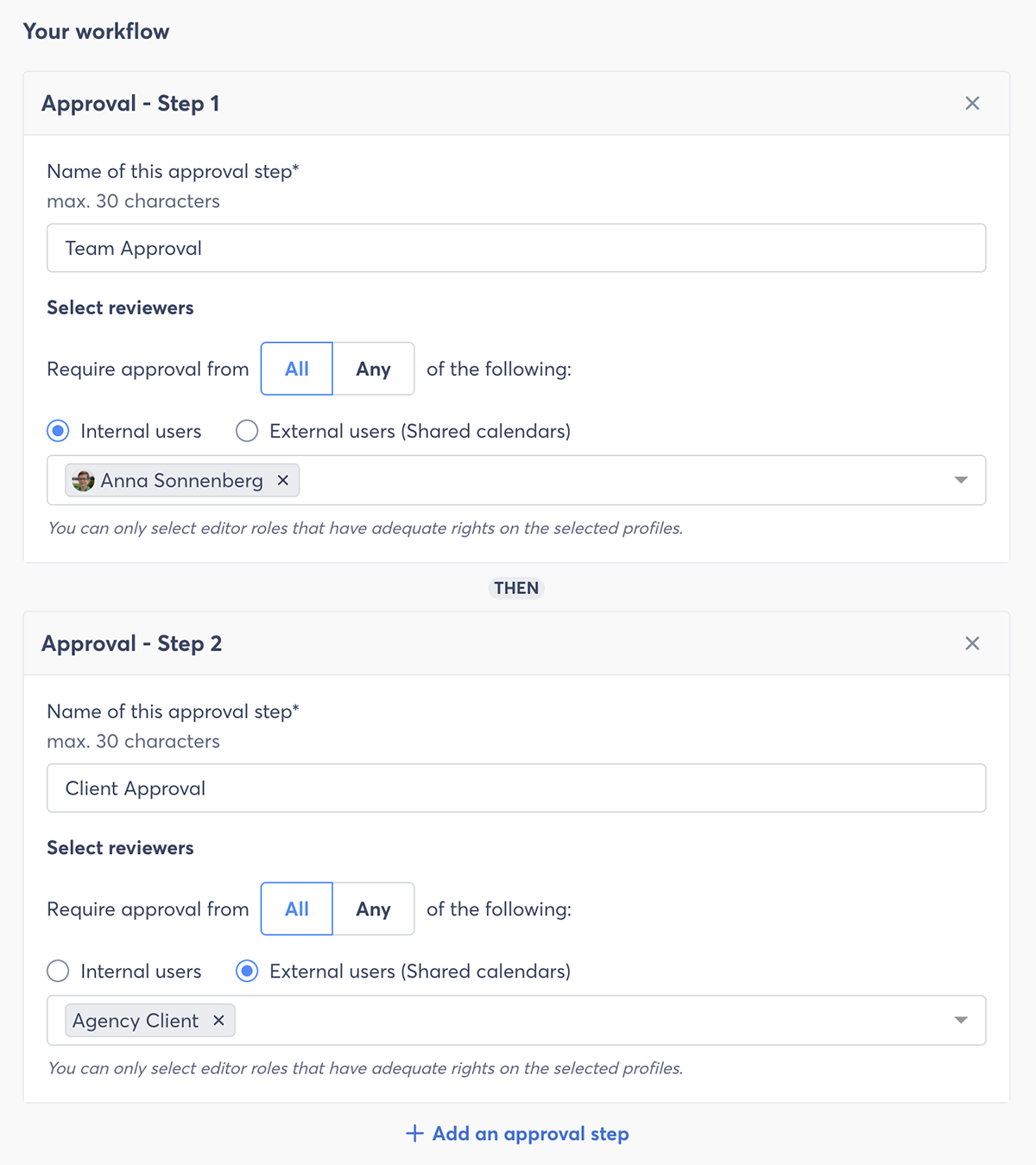
Take that list and rank the outcomes to identify your nonnegotiables. For example, a team that loses hours chasing approvals every week might rank review and approval before any other goal.
Be specific about what each goal means for your team. Say you want better reporting. Does that mean a quick view of top posts or custom reports across client accounts? The more concrete the goal, the easier it is to test.
The same platform might work just fine for a small team but be restrictive for a global team managing multiple brands. Before you compare tools, confirm who will use the platform and in what capacity.
Source link