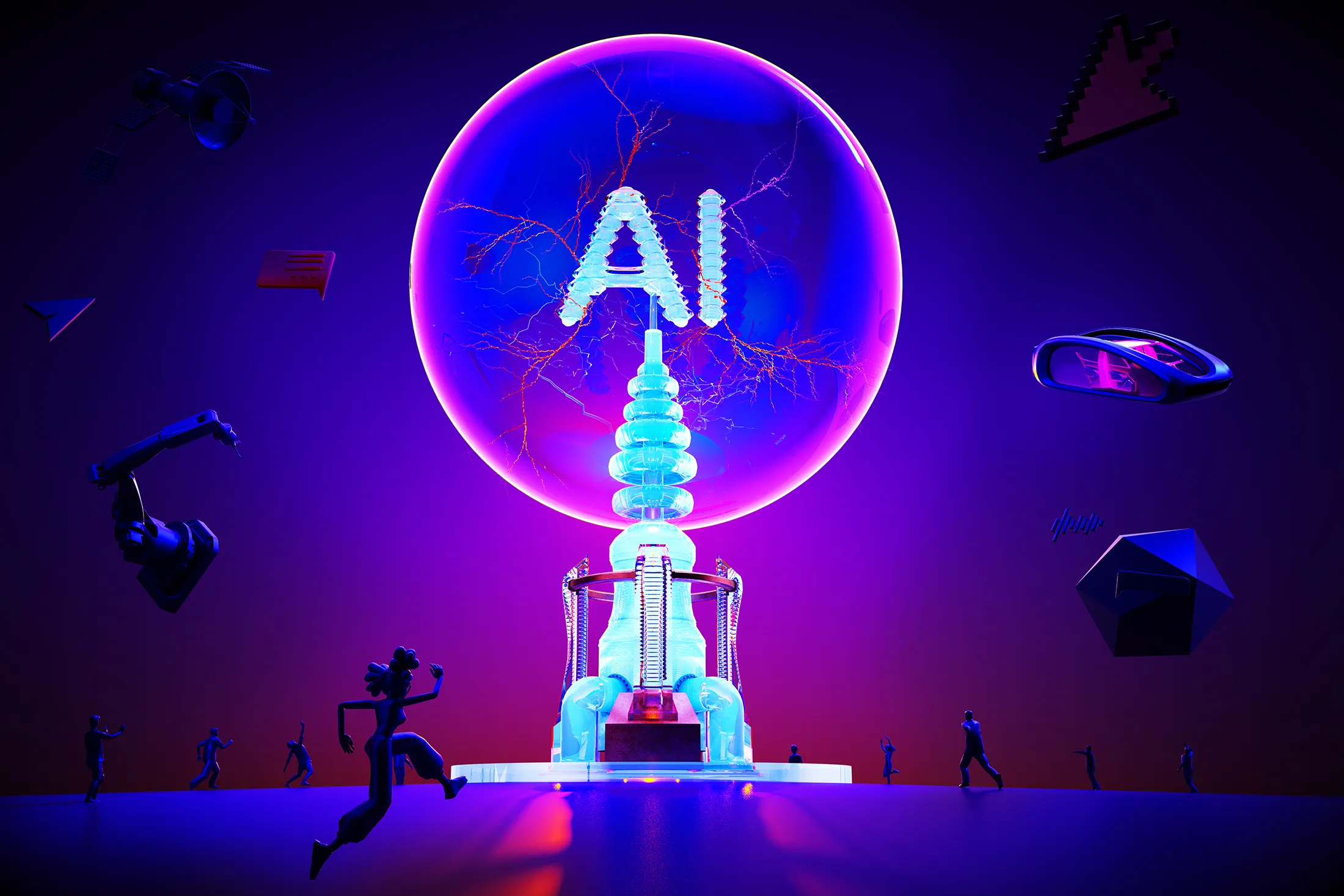
For decades, filmmakers and writers have imagined technologies that did not yet exist, creating fictional versions of the future for audiences to see. Today, we have the tools to imagine it, create it and start building it ourselves.
A few years ago, I wrote an article exploring something I have always found fascinating: how writers, filmmakers and producers have repeatedly imagined technologies decades before they actually existed. From holograms and intelligent machines to futuristic interfaces and robots, entertainment has often created the fictional blueprint that technology entrepreneurs, scientists and engineers subsequently turned into reality.
At the time, I was looking at this from the perspective of the filmmaker and technology innovator, and how closely these two worlds have always been connected. What I find even more exciting today is that the relationship is changing. We are moving into a period where the creator does not necessarily have to wait for somebody else to build the technology they have imagined. We are increasingly able to imagine it, tell the story around it, visualize it, prototype it, develop it, market it and put it in front of an audience ourselves. That’s an extraordinary shift.
For generations, the filmmaker could imagine the future but had to fake it. We created props, sets, visual effects and computer-generated environments to show audiences things that did not yet exist. We would create a fictional product for a film or television series and make it look real enough for the audience to believe it existed. Sometimes, those fictional ideas would ultimately inspire somebody to go away and build the real thing.
Source link