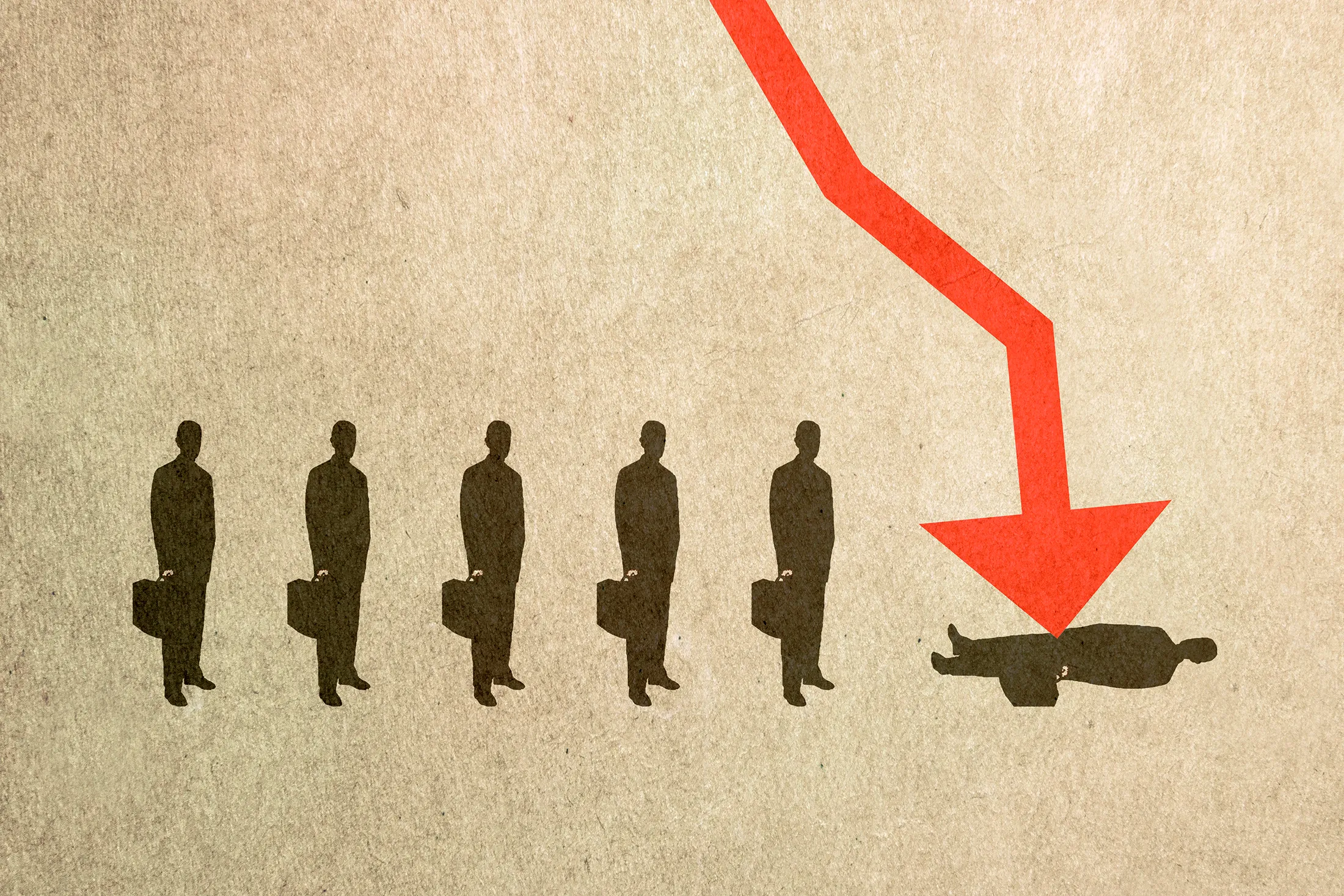
Most leaders who promise “no layoffs” drop the idea when revenue falls.
That’s how Paul Gund described his position on job cuts. His son Steve, now the third-generation CEO of The Gund Co., still runs the St. Louis composite materials manufacturer by it. It’s a great line. It’s also the least interesting part of the story.
Plenty of leaders say something similar during good years. Few still mean it when revenue falls. The difference isn’t conviction, but what happens long before the downturn arrives.
The results are hard to argue with. As The Wall Street Journal’s Allison Pohle reported, Gund has averaged 18% annual growth for a decade, with about 1,300 employees and roughly $400 million in annual sales, and has never laid anyone off. Hundreds of family-business leaders have visited to study the model and most struggle to copy it.
That’s not surprising. They’re studying the promise when they should be studying the plumbing.
When Pohle was asked how the company avoids layoffs, the first answer wasn’t about values. It was operational: the company staffs conservatively and relies on employees picking up overtime.
A no-layoff policy doesn’t survive on willpower. It survives because hiring decisions made in a strong quarter are made as if a weak quarter is coming. Every open role gets weighed against a promise that can’t be broken later. Headcount isn’t a reward for growth. It’s a long-term obligation the company has to be able to keep.
Almost all companies run the opposite way. They hire ahead of demand when times are good, then cut when the forecast turns.
Source link