In the years to come, entrepreneurs of all stripes will be guiding customers toward becoming better versions of themselves.
Did you, perhaps, download an app to help you count calories, purchase a fitness tracker, join a gym, subscribe to a personal finance newsletter, sign up for a course on leadership, hire a coach of some kind, or buy any number of other goods, services, and experiences to better yourself?
If so, you embraced the transformation economy. And if you’re an entrepreneur who doesn’t see how your business fits into that space, I suggest you reconsider.
Earlier this year, I published The Transformation Economy: Guiding Customers to Achieve Their Aspirations, with the Harvard Business Review Press.
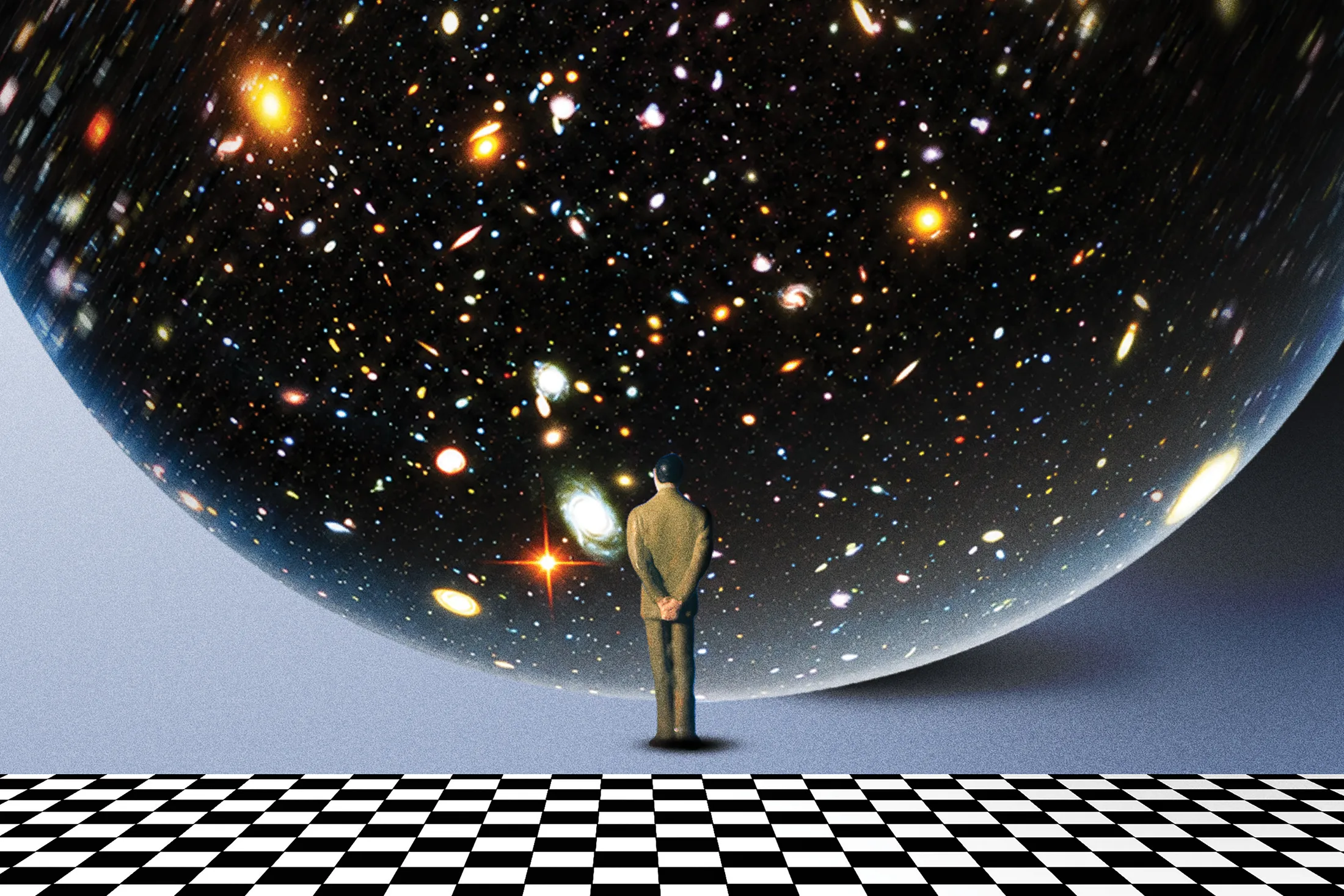
This book was a natural follow-up to a groundbreaking book I coauthored with Jim Gilmore in 1999 called The Experience Economy. At the time, we argued that a new category of business was on the rise: experiences. Where once economists only recognized three types of businesses — commodities (raw materials), goods (manufactured products), and services (intangible activities) — we showed that experiences were an economic offering in themselves.
My coauthor and I defined experiences as memorable events that engage each individual in an inherently personal way. They’ve always been around — think of movies, concerts, plays, sporting events, and theme parks — but over the past 25 years, new experiences have popped up everywhere: escape rooms, esports , immersive art. Consider brands like Meow Wolf, Topgolf, the Museum of Ice Cream, and Sky Zone .
Source link